
Companion Plants
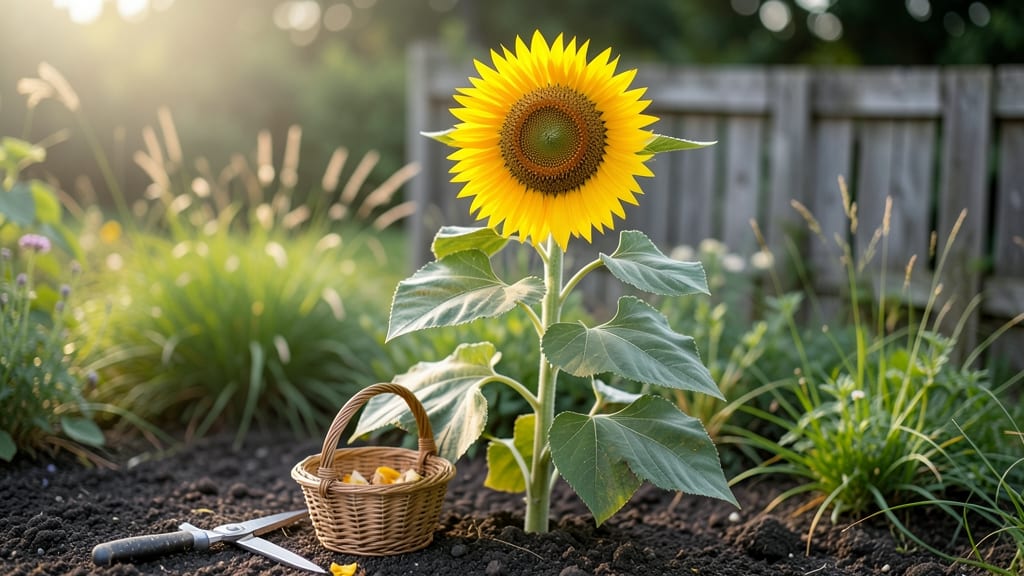
Growing plants with edible seeds turns your garden into a dual-purpose powerhouse—beautiful blooms AND pantry staples. 🌻 I started with sunflowers after realizing their seeds could replace store-bought snacks, and now my garden produces everything from chia pudding to homemade pumpkin butter.
The best part? These plants thrive in ordinary soil and sunlight, making them perfect for beginners. Sunflowers need full sun and well-drained soil, while pumpkins tolerate partial shade and richer earth. Even herbs like cilantro and dill produce seeds you can dry for seasoning—no fancy equipment required.
You’ll harvest seeds in late summer or fall, depending on the plant, and store them for months. The flavor? Richer than anything you’ve bought, with the bonus of knowing exactly where they came from. My sunflower seeds are crunchier and nuttier than packaged versions.
Works in containers, raised beds, or in-ground plots—just match the plant to your space. Let’s grow your next snack crop!
📚 In This Guide
- What you need
- Instructions
- Tips and common mistakes
- Wrapping up and next steps
What you need
- ● Seeds: Choose from these easy-to-grow varieties (pick 3–5 for variety!): Sunflower (Helianthus annuus) – 10–20 seeds
- ● Chia (Salvia hispanica) – 1 oz (28g) packet
- ● Sesame (Sesamum indicum) – 50–100 seeds
- ● Pumpkin or Squash (Cucurbita spp.) – 3–5 seeds per plant
- ● Quinoa (Chenopodium quinoa) – ½ lb (225g) packet
- ● Containers: For seeds: 6–12" deep pots (2–3 per plant) or a raised bed (10’x2’ minimum)
- ● For chia/sesame: Shallow trays (10"x20") with drainage holes
- ● Growing Medium: Potting mix (sterile, seed-starting blend – 5–10 gallons)
- ● Compost (1–2 cups per pot for nutrients)
- ● Tools: Garden trowel or small hand shovel
- ● Watering can with a fine rose (or spray bottle for seedlings)
- ● Twine or stakes (for sunflowers/squash, 3–4 ft tall)
- ● Grow lights (LED, 12–16 hrs/day for indoor starts)
- ● Mulch (straw or shredded leaves to retain moisture)
- ● Organic fertilizer (balanced 10-10-10 or compost tea)
- ● Seedling heat mat (for cold climates, speeds up germination)
- ● Harvest scissors (for clean seed-head cutting)
- ● Food dehydrator (to dry seeds faster)
Step-by-step guide to growing plants with edible seeds
These four seed-bearing plants are the easiest to grow and harvest for home cooking.
🌱 Step 1: Select and Prepare Your Seed Varieties
Start with seeds from sunflower, pumpkin, tomato, or basil—all produce flavorful, nutrient-rich seeds. I always choose heirloom varieties for maximum flavor and seed viability. Sunflower seeds need full sun and well-draining soil, while basil thrives in partial shade with consistent moisture.
Soak sunflower and pumpkin seeds overnight in warm water to soften their outer shells. This step isn’t necessary for tomato or basil seeds, but it speeds up germination for the larger seeds. Use 1 quart of water per ½ cup of seeds—don’t overcrowd the container.
🪴 Step 2: Plant in Proper Containers or Garden Beds
Sunflowers and pumpkins need at least 12 inches of depth in the soil, while tomatoes and basil do well in 8-inch pots or garden beds. I recommend raised beds for tomatoes to prevent soil-borne diseases. Fill containers with high-quality potting mix and add a handful of compost for nutrients.
Plant sunflower and pumpkin seeds 1 inch deep, spacing them 6 inches apart for sunflowers and 2 feet apart for pumpkins. Basil seeds are tiny—sprinkle them ¼ inch deep and thin to 6 inches apart once they sprout. Tomatoes can be direct-sown or started indoors 6-8 weeks before last frost.
☀️ Step 3: Maintain Ideal Growing Conditions
Water deeply twice weekly for sunflowers and pumpkins, keeping the soil 2 inches moist at all times. Basil needs daily watering but hates soggy roots—let the top inch dry between waterings. Tomatoes prefer 1 inch of water per week, delivered at the base to prevent fungal diseases.
Fertilize sunflowers and pumpkins with a balanced 10-10-10 fertilizer at planting and again when flowers appear. Basil benefits from a low-nitrogen, high-phosphorus fertilizer when buds form. Watch for pests like aphids on basil—spray with neem oil if you see sticky residue on leaves.
⏰ Step 4: Harvest and Process Seeds Correctly
Sunflower seeds are ready when the back of the head turns yellow and the petals drop. Cut the head and hang it upside down in a dry, dark place for 2 weeks—seeds will rattle when ready. Pumpkin seeds come from mature fruit; scoop them out, rinse, and dry on a tray for 3-5 days.
Tomato seeds need fermentation: crush ripe tomatoes, strain the pulp, and let it ferment in a jar for 2-3 days until mold forms on top. Rinse seeds thoroughly, then dry on paper towels for 1 week. Basil seeds are harvested by drying the entire plant—hang upside down in a bundle until crisp, then rub seeds from the stems.
🌿 Step 5: Store Seeds for Future Use
Clean seeds thoroughly and store in airtight containers in a cool, dark place. Sunflower and pumpkin seeds stay viable for 2-3 years, while tomato and basil seeds last 1-2 years. Label each container with the variety and harvest date—seeds lose potency over time.
For extra flavor, roast sunflower and pumpkin seeds in the oven at 300°F for 10-15 minutes with a pinch of salt. Toasted seeds make a great snack or garnish for salads. Basil seeds can be ground into a powder for teas or added whole to desserts—just remember to harvest before the plant flowers for the best flavor.
Tips & tricks for perfect seed harvesting from kitchen-garden plants
These little-known strategies will help you maximize your seed yield and quality from your homegrown edible seed plants.
Seed Variety Selection: Heirloom varieties aren't just for flavor—they produce seeds that retain the original plant's characteristics. For sunflowers, look for varieties like 'Mammoth' or 'Russian Giant' which have larger seed heads and higher seed production. With tomatoes, 'San Marzano' or 'Brandywine' varieties yield seeds that grow true to type, while basil varieties like 'Genovese' produce the most abundant seeds for culinary use.
Germination Boost: The overnight soaking of sunflower and pumpkin seeds in warm water (using 1 quart per ½ cup of seeds) isn't just about softening shells—it's also a pre-germination treatment. Warm water activates enzymes that help break down seed coatings, giving you a 20-30% faster germination rate. For best results, use water that's around 80°F and soak for exactly 12 hours rather than overnight to prevent over-softening.
Plant Spacing Strategy: The 6-inch spacing for sunflowers and basil might seem tight, but it's actually ideal for maximizing seed production. When plants are too far apart, they don't get enough pollen cross-pollination. For pumpkins, the 2-foot spacing gives vines room to spread while still allowing sufficient airflow to prevent fungal diseases that can ruin seed viability. Remember to thin basil seedlings to 6 inches apart once they reach 2 inches tall—this prevents overcrowding that leads to leggy plants with fewer seed buds.
Harvest Timing Secret: For sunflowers, wait until the back of the head turns completely yellow and the petals have fallen off naturally—this indicates the seeds have reached maximum dryness. With pumpkins, harvest seeds from fully mature fruit that's hard when tapped. For tomatoes, the fermentation process (2-3 days until mold appears) is crucial—it removes the gel coating that inhibits germination. After rinsing, spread seeds on paper towels and let them dry completely before storage, as any remaining moisture will cause mold during storage.
Pro Tips for Plants With Edible Seeds
- These little-known strategies will help you maximize your seed yield and quality from your homegrown edible seed plants.
- Seed Variety Selection: Heirloom varieties aren't just for flavor—they produce seeds that retain the original plant's characteristics.
- Germination Boost: The overnight soaking of sunflower and pumpkin seeds in warm water (using 1 quart per ½ cup of seeds) isn't just about softening shells—it's also a pre-germination treatment.
Frequently asked questions
Got questions about growing and using edible-seed plants?
Here are answers to the most common ones—so you can harvest, cook, and enjoy with confidence!
Which plants with edible seeds are easiest for beginners?
Start with sunflowers, pumpkins, or cucumbers—they’re hardy, fast-growing, and forgiving. Even herbs like dill or cilantro produce edible seeds with minimal fuss. Look for heirloom varieties for better flavor and seed quality!
How long does it take for edible seeds to mature?
Timing varies! Sunflowers take 80–120 days, while pumpkins and gourds need 90–120 days. Herbs like basil or fennel may mature in 60–90 days. Check seed packets for exact days-to-harvest—patience pays off with plump, flavorful seeds!
Can I eat the seeds raw, or do I need to cook them first?
Some seeds (like sunflower or pumpkin) are safe raw but taste better roasted for 10–15 minutes at 300°F (150°C). Others, like chia or flaxseeds, must be soaked or ground for digestion. Always rinse seeds thoroughly to remove bitterness or debris.
What should I do if my seeds taste bitter or weird?
Bitter flavors often mean immature seeds or contamination. Harvest when seeds turn hard and dry (no moisture when squeezed). If stored improperly, seeds may develop mold—discard any with off smells or discoloration. Try a new batch next season!
Are there non-food plants with edible seeds I should avoid?
Yes! Never eat seeds from nightshades (like tomatoes or peppers) unless labeled edible—some contain toxins. Also skip seeds from foxglove, castor bean, or oleander. When in doubt, research or ask a local gardening expert before tasting!
Wrapping up and next steps
Discovering plants with edible seeds is like unlocking a treasure trove of flavor and nutrition right in your backyard! 🌱 From sunflower seeds to pumpkin pearls, these easy-to-grow staples add versatility to your kitchen while boosting your self-sufficiency.
Whether you're a seasoned gardener or just starting out, these plants prove that growing your own food can be both rewarding and delicious.
Now that you’re inspired, why not take the next step? Start small—plant a few seeds this season and watch your garden (and pantry!) transform. Happy growing! 🌟