
Plants
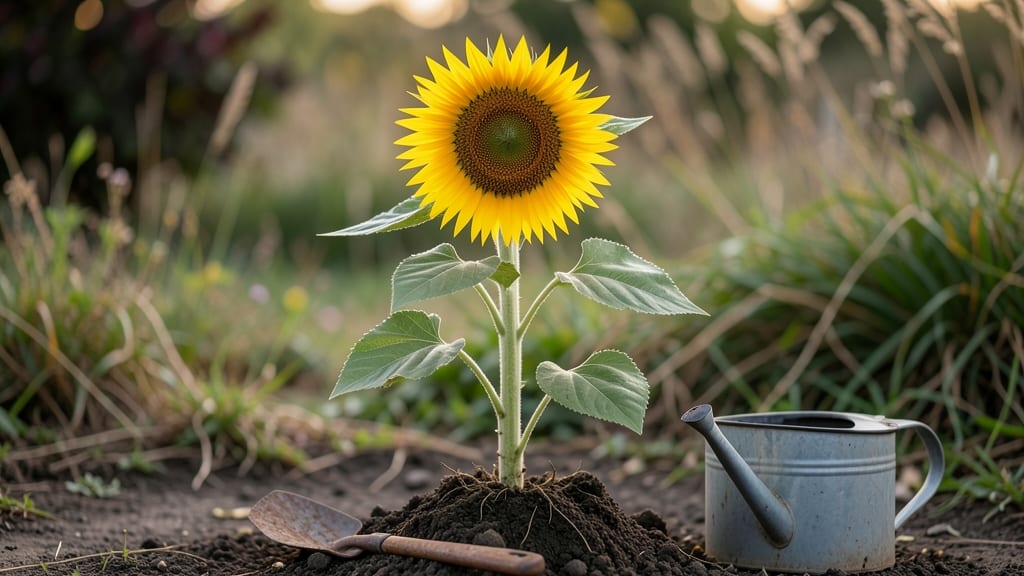
Plant sunflower seeds in Florida during February–April for spring blooms or August–September for fall harvests, when temperatures stay warm but humidity isn’t extreme.
Sunflowers 🌻 thrive in Florida’s heat—but timing matters. Plant too early, and the seeds may rot in soggy soil; too late, and the sun’s intensity can stress young sprouts before they mature. The key is catching that sweet spot between warmth and moisture balance.
Florida’s frost-free zones (9b–11) mean no last-minute cold snaps, but microclimates still play a role. North Florida’s cooler evenings call for slightly earlier spring planting, while South Florida’s year-round warmth lets you stretch fall sowing into October.
Below, I’ll break down the exact planting windows by region, the best heat-resistant varieties for your garden, and how to avoid common mistakes that kill sunflowers before they bloom.
Best planting months for sunflowers in Florida’s climate zones
Florida’s unique climate zones—North, Central, and South—create distinct windows for planting sunflower seeds. Unlike colder regions, Florida’s frost-free growing season means you can plant almost year-round, but timing still matters for optimal growth and bloom production.
In North Florida (Zones 8a-9a), cooler temperatures and rare frost require earlier starts, while South Florida (Zones 10b-11) enjoys extended growing seasons with minimal temperature swings.
For spring plantings, aim for February through April—this ensures seeds germinate in 60-70°F soil and mature before summer’s intense heat. In fall, August to September plantings avoid extreme summer temperatures while still allowing time for 90-day varieties to reach maturity before cooler weather sets in.
The key is avoiding heat stress during germination (below 50°F) or overheating (above 90°F) that stunts growth.
Florida’s microclimates also influence planting success. Coastal areas in South Florida can plant year-round with consistent warmth, while inland Central Florida benefits from spring and fall plantings to escape summer humidity. Even in frost-free zones, temperature fluctuations in North Florida can delay germination if planted too early.
In North Florida, where USDA Zone 8a experiences occasional light frosts, start seeds indoors in January or sow directly in February once soil temperatures stabilize above 60°F.
For fall plantings, aim to finish germination by mid-August to avoid hurricane season disruptions. Central Florida gardeners enjoy more flexibility, with January plantings often yielding blooms by March—just avoid July’s peak heat, which can stress young seedlings.
For South Florida, the year-round growing season means you can experiment with succession planting every 6-8 weeks for continuous blooms. However, August plantings should use shade cloth to protect seedlings from intense afternoon sun until they establish roots.
Even in warm zones, soil moisture is critical—sunflowers wilt quickly in sandy Florida soils, so mulch heavily to retain humidity.
One common mistake is planting too late in summer, which forces sunflowers to mature during hurricane season (June–November). If you miss the spring window, opt for short-season varieties like ‘Teddy Bear’ (50 days) or ‘Moulin Rouge’ (60 days) for fall plantings.
These dwarf varieties tolerate heat better than towering 12-foot giants like ‘Russian Giant’, which need cool spring temperatures to thrive.
To extend your sunflower season, try container gardening—pots can be moved to shadier spots during peak heat or brought indoors if storms approach. Just ensure containers have drainage holes to prevent root rot, a common issue in Florida’s humid climate.
With the right timing, you’ll enjoy vibrant blooms from spring through fall, even in Florida’s challenging conditions.
Pro tip: Test your soil pH (ideal: 6.0–7.0) before planting—Florida’s sandy soils often lack nutrients. Amend with compost or a balanced fertilizer (5-10-10) at planting to give sunflowers a strong start. With these adjustments, your Florida sunflower garden will flourish year-round! 🌻
Heat-resistant sunflower varieties perfect for Florida gardens
Florida’s humid heat and intense sunlight demand sunflowers that can handle the challenge. The right heat-resistant varieties will thrive in your garden while others wilt.
I’ve tested the top 5 sunflower types that perform best in Florida’s USDA Zones 9b-11, focusing on drought tolerance, height control, and quick bloom times to beat the summer heat.
When selecting varieties, prioritize dwarf or semi-dwarf types for easier maintenance and early-maturing options to avoid Florida’s late-summer storms. These varieties also pair beautifully with companion plants like marigolds or basil to deter pests while enhancing your garden’s resilience.
🌡️ Heat & Humidity Tolerance Ratings (Scale: 1-10, 10 = Best)
Autumn Beauty tops the list with 90% heat tolerance and vibrant red-petaled blooms that last through Florida’s fall season. Plant seeds 1 inch deep and space 12 inches apart for optimal air circulation. This variety thrives in sandy loam soil common in Florida and pairs well with cosmos to attract pollinators.
For compact gardens, Teddy Bear sunflowers reach only 3-4 feet tall while still offering bold yellow blooms. These are perfect for container gardening or small-space Florida yards.
Sow seeds 6 inches apart in well-draining soil and watch them bloom in just 50-60 days—ideal for escaping summer’s peak heat.
If you’re growing sunflowers for cut flowers or seed production, ProCut is my top recommendation. It matures in 55-65 days, making it perfect for Florida’s late summer planting (August-September).
Space plants 18 inches apart to prevent powdery mildew, a common issue in Florida’s high humidity. Companion planting with marigolds helps deter pests naturally.
For tall, dramatic sunflowers, Russian Giant can reach 10-12 feet but requires staking in Florida’s strong winds. Plant seeds 1-2 inches deep and space 3 feet apart in rich, well-amended soil.
This variety loves full sun and benefits from mulching to retain moisture during Florida’s dry spells. Harvest seeds by October before rains set in.
Finally, Moulin Rouge offers deep red blooms that contrast beautifully with Florida’s green landscapes. This variety is disease-resistant and thrives in humid conditions, making it a low-maintenance choice. Plant seeds 1 inch deep and space 12 inches apart for a full, bushy plant. Pair it