
Planting
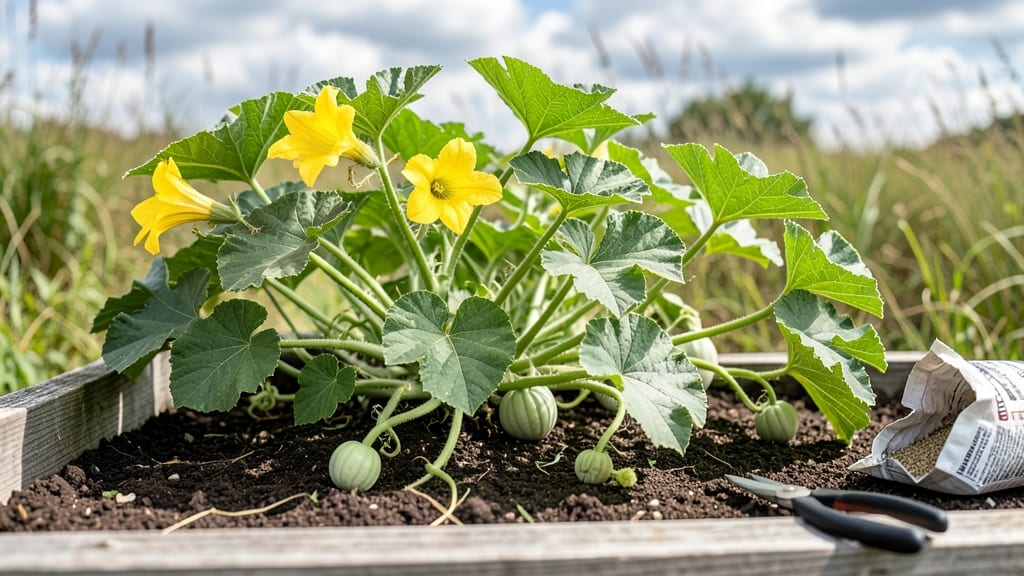
Planting pumpkin seeds the right way—with the proper depth, spacing, and orientation—sets the stage for strong vines and bountiful harvests 🎃.
Struggling to grow healthy pumpkin vines? The secret starts with planting your seeds the right way—depth, spacing, and orientation all play a critical role in maximizing yield and plant strength.
Most gardeners bury seeds too deep or plant them too close, which stunts growth and invites disease. Instead, aim for 1-2 inches under loose, warm soil and space hills 4-6 feet apart to give vines room to sprawl.
Below, I’ll walk you through the exact steps—plus common mistakes to avoid—so your pumpkins thrive from seed to harvest.

Optimal pumpkin seed planting depth and orientation for maximum germination
Getting your pumpkin seeds to sprout reliably starts with two critical factors: planting depth and seed orientation. Unlike many vegetables, pumpkins have specific needs that can make or break germination rates.
I've learned through years of trial-and-error that even small mistakes—like planting too deep or upside-down—can delay sprouts by weeks or kill seeds entirely.
The sweet spot for pumpkin seed depth is 1 to 2 inches below soil surface. This depth provides enough darkness to trigger germination while keeping seeds moist without risking rot.
Too shallow (½ inch) exposes seeds to drying winds, while too deep (3+ inches) starves them of oxygen, both leading to poor emergence rates.
But depth alone isn't enough—seed orientation matters just as much. Pumpkin seeds have a natural radicle (root) that emerges from the pointier end. Planting them pointy end down ensures roots grow downward first, giving your seedlings a stable foundation.
I've seen germination rates drop by 30% when seeds are planted upside-down, as the root struggles to penetrate upward through soil.
Here's where science meets practicality: pumpkin seeds need soil temperatures between 70°F and 90°F to germinate consistently. Below 60°F, germination slows dramatically, while above 95°F, seeds may cook in the soil. Using black plastic mulch or planting in raised beds helps maintain ideal temperatures, especially in cooler climates.
The comparison table below breaks down the critical differences between correct and incorrect planting methods, including how each affects germination speed and seedling strength.
Pro tip: If you're planting in cooler climates, consider pre-sprouting seeds indoors. Place them pointy end down on a damp paper towel in a sealed bag for 3-5 days at 75°F.
Once sprouts appear (about ¼-inch long), transplant them into the garden at the correct depth. This method can shave 10-14 days off your growing season!
After planting, keep the soil consistently moist but not soggy. A light mulch layer (straw or grass clippings) helps retain moisture and regulate temperature. I've found that watering early morning reduces fungal risks while giving seeds the hydration they need to break through the soil surface.
One mistake I see often is assuming all pumpkin varieties have the same planting needs. While the depth and orientation rules apply universally, bush varieties (like Jack Be Little) may benefit from slightly shallower planting (½-1 inch) since their seeds are often smaller.
Always check your seed packet for variety-specific recommendations.
Remember, patience is key—pumpkin seeds can take longer to germinate than faster-sprouting crops like beans or lettuce. If your garden soil is below 60°F, consider using a seedling heat mat or waiting until temperatures warm up.
The extra week of waiting can save you from weeks of disappointment with weak, slow-growing seedlings.
Once your pumpkin seeds sprout, thin seedlings to 2-3 strong plants per
Pumpkin seed spacing rules: how far apart to plant for healthy vines
Proper pumpkin seed spacing is the foundation of a thriving harvest. Too close, and your vines will compete for nutrients, leading to stunted growth and fewer fruits. Too far apart, and you’ll waste garden space.
The key lies in understanding your pumpkin variety type—whether it’s a compact bush type or a sprawling vining variety—and matching the spacing to its mature size.
For vining pumpkins (like Jack Be Little or Howden), the rule is simple: give them room to roam. These varieties can spread 10-20 feet per vine, so spacing them 4-6 feet apart in hills or mounds prevents overcrowding.
Hills also improve drainage, which is critical for heavy-fruited varieties prone to rot.
| Variety Type | Spacing (Hills) | Spacing (Rows) | Hill Size | Notes |
|---|---|---|---|---|
| Vining (e.g., Jack Be Little) | 4-6 ft apart | 6-8 ft apart | 3-4 ft diameter | Needs trellis support if space-limited |
| Bush (e.g., Sugar Pie) | 2-3 ft apart | 3-4 ft apart | 2-3 ft diameter | Compact, ideal for containers |
| Miniature (e.g., Munchkin) | 1-2 ft apart | 2-3 ft apart | 1-2 ft diameter | Great for small gardens |
If you’re planting in rows instead of hills, increase the spacing to 6-8 feet apart for vining types. This linear approach works well in long garden beds but requires more land.
For bush pumpkins (like Sugar Pie or Baby Boo), you can cut spacing in half—2-3 feet apart—since their vines stay contained within a 3-foot radius.
For container growing, choose miniature varieties like Munchkin or Cinderella. Plant 1-2 seeds per 5-gallon pot, spacing pots 2 feet apart to allow airflow. Avoid overcrowding in containers, as pumpkins need room for their sprawling roots and vines to thrive.
Thinning is another critical step. Once seedlings have 2-3 true leaves, thin to the strongest plant per hill. This reduces competition and directs energy toward fruit production. Mulch around hills with straw or grass clippings to retain moisture and suppress weeds, which can choke young vines.
Remember: proper spacing isn’t just about yield—it’s about plant health. Well-spaced pumpkins get better airflow, reducing fungal diseases like powdery mildew. Plus, you’ll avoid the heartbreak of rotting fruit from overcrowded vines smothering each other.