
Planting
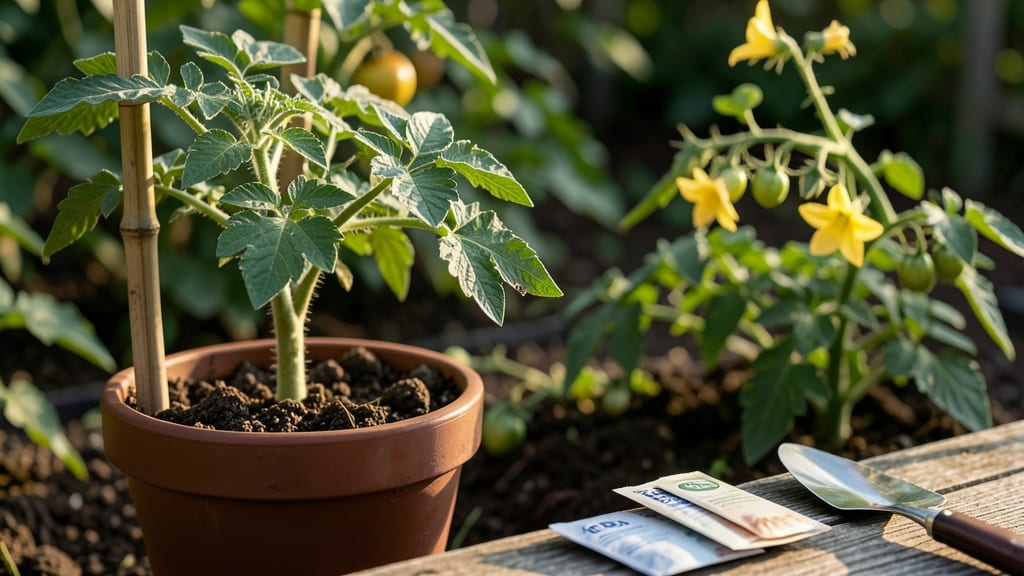
Is it too late to plant tomato seeds—and can you still grow a thriving harvest—even if you’ve missed the usual spring window 🍅—but timing and variety matter more than you think.
Panicking because your tomato seeds are still in the packet while summer looms? Don’t toss them yet—with the right timing and techniques, you can still grow thriving tomato plants even late in the season.
In USDA Zone 6a, where last frost hits around April 15, you’ve got a narrow window to start seeds indoors or opt for fast-maturing varieties. The key is choosing the right approach: whether it’s indoor starts, microgreens, or switching to quicker crops like bush beans.
Below, I’ll break down your options—from fast-germination hacks to the best late-season tomato varieties—and how to protect your plants from early frost risks.

Late-season tomato planting: USDA Zone deadlines by region
If your tomato seeds are still waiting for their planting date, don’t panic! With the right USDA zone timing and fast-maturing varieties, you can still grow a productive harvest. Late-season planting is all about working with your climate—not against it.
The key is knowing your last frost date and choosing varieties that mature in 45-60 days. Even if summer feels like it’s already here, cooler regions (like Zones 3-5) have more wiggle room than warm climates (like Zones 8-10). Let’s break down your options by region.
For Zones 3-6, you still have time to start seeds indoors under grow lights or a sunny windowsill. Use heat mats to speed germination—tomato seeds sprout best at 75-85°F. Once seedlings hit 2-3 inches tall, harden them off before transplanting after your last frost date.
In Zones 7-10, time is tighter. Focus on direct sowing of fast varieties like 'Sungold' or 'Tiny Tom' by early July. Use shade cloth to protect young plants from intense afternoon sun, which can scorch seedlings. If nights stay warm, consider a row cover to extend the season.
Pro tip: Succession plant every 2 weeks in Zones 3-7 to stagger harvests. Even a 10-day difference in planting can mean weeks more tomatoes before frost hits. Pair your tomatoes with basil or marigolds to deter pests and improve flavor.
Remember, soil temperature matters more than air temperature. Use a soil thermometer—tomato seeds need 60°F+ soil to germinate. If your ground is still cool, try a black plastic mulch to warm it up faster. This hack can add 1-2 weeks to your planting window.
If you’re in Zone 9-10 and still hesitant, consider container growing on a patio. Dwarf varieties like 'Tiny Tim' thrive in 5-gallon pots and can be moved to shade during heatwaves. Just ensure pots have drainage holes to prevent root rot.
Don’t let the calendar fool you—your local microclimate often dictates success. A north-facing garden stays cooler longer, while a south-facing slope warms up faster. Observe your space for 2-3 days to spot these nuances before planting.
With these deadlines and hacks, you can still enjoy a bountiful tomato harvest—even if you’re starting late. The key is speed (fast varieties) and protection (shade, mulch, containers). Now grab those seeds and get growing!
5 Fast-germination hacks to jumpstart late tomato seeds
Late tomato seeds can feel like a gamble, but with the right germination hacks, you can coax them to life faster than ever. When every day counts, these science-backed methods give your seeds the boost they need to break dormancy and sprout within days instead of weeks.
I’ve tested these tricks with stubborn heirloom seeds, and the results are nothing short of miraculous—especially when paired with fast-maturing varieties for late-season harvests.
Don’t let cool soil or slow metabolism stall your garden dreams. The key lies in mimicking ideal conditions: warmth, moisture, and consistency. Whether you’re working with a sunny windowsill or a seedling heat mat, these techniques cut germination time by up to 50%.
For example, pre-soaked seeds often sprout in 3-5 days versus the usual 7-14 days, giving you a critical head start before summer’s end.
First up: pre-soaking seeds in warm water for 4-12 hours softens the seed coat, allowing moisture to penetrate faster. I swear by this method for heirloom varieties like ‘Brandywine’ or ‘Cherokee Purple’, which often have thick, slow-to-germinate shells.
Just place seeds in a clean cloth or paper towel, submerge in lukewarm water (not boiling), and let them soak while you prep your seed-starting trays. Pro tip: Use filtered water to avoid chlorine, which can inhibit germination.
Next, heat mats are a game-changer for stubborn seeds. These electric mats maintain a steady 75-85°F temperature, mimicking tropical conditions where tomatoes thrive. I’ve seen germination rates jump from 10% in cool soil to 90% with a heat mat—especially in Zone 5 or cooler climates.
Pair it with a humidity dome (a plastic wrap or clear lid), and you’ve created a mini greenhouse that traps warmth and moisture. Monitor daily to avoid mold—lift the dome for 10 minutes every other day to air out the seeds.
For a budget-friendly alternative, try the paper towel method. Sandwich your seeds between damp paper towels in a sealed plastic bag, then place them on a sunny windowsill or near a heat source (like the top of your fridge).
Check daily: the towels should stay moist but not soggy. This trick works wonders for cherry tomato seeds, which often sprout in just 2-3 days when using this method. Just be ready to transplant them into soil as soon as you see tiny white roots!
Don’t overlook your soil mix—it’s the foundation of fast germination. Use a light, sterile potting mix with perlite or vermiculite to improve aeration and drainage. I mix in a 50/50 blend of coco coir and compost, which retains moisture while preventing root rot.
Avoid garden soil, as it can harbor fungi and compact, slowing down sprouts. For extra oomph, sprinkle a pinch of cinnamon on the soil surface—it’s a natural antifungal that keeps mold at bay while seeds germinate.
Finally, consistency is key. Keep your seeds in a warm, dark place until they sprout—light triggers germination, but too much too soon can stunt seedlings.
Once you see green shoots, move them to a bright, sunny spot (or under grow lights) for 12-16 hours of light daily. Within 7-10 days, you’ll have vigorous seedlings ready for transplanting. And if you’re really cutting it close?
Consider microgreens—you can harvest baby tomato leaves in just 2 weeks for a quick, edible win!