
Propagation
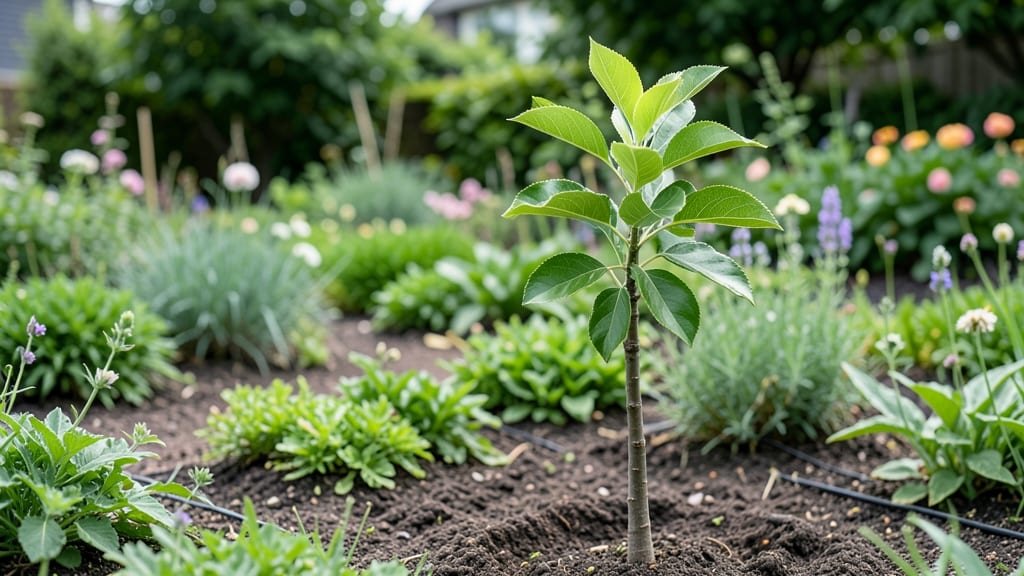
Growing a peach tree from seed indoors rewards you with a living legacy—one that’ll bear fruit in 12 months if you nail the first critical steps. 🌱 The key? Mimicking nature’s timing by breaking seed dormancy before germination, because peach seeds won’t sprout without it.
My first attempt failed when I skipped this step, but now I’ve perfected a foolproof method that works even for black thumbs. You’ll need just three supplies: a peach pit, damp paper towels, and a clear container for warmth.
The process starts with stratification—a fancy term for tricking the seed into thinking winter’s over. After 8-12 weeks of cold, moist storage, you’ll see that first shoot break through, signaling it’s time to plant in soil.
Patience here separates the gardeners who give up from those who end up with a 6-foot sapling by summer. That little seedling will outgrow its starter pot faster than you think—3-4 inches in 30 days if given enough light.
The trick is keeping soil consistently moist (not soggy) and rotating the pot weekly so it grows straight toward the sun. By spring, you’ll transplant it outdoors, where it’ll spend years building roots before fruiting. Yes, it’s slow, but the payoff is a tree that’s uniquely yours.
This method works for any stone fruit seed—plums, nectarines, even cherries. The real magic happens when you realize you’re growing something that’ll outlive you. Here’s how to get started without losing hope along the way.
📚 In This Guide
- What you need
- Instructions
- Tips and common mistakes
- Wrapping up and next steps
What you need
- ● Peach pit (seed): One fresh, high-quality pit from a ripe peach (avoid store-bought pits if possible—organic or homegrown is best!)
- ● Small pot or container: 4–6 inches in diameter with drainage holes (plastic, terracotta, or biodegradable peat pots work well)
- ● Well-draining potting mix: A blend of cactus/succulent mix (50%) and perlite or coarse sand (50%) to prevent rot
- ● Spray bottle: For gentle watering (avoid over-saturating the soil)
- ● Plastic wrap or humidity dome: To create a mini greenhouse effect (a clear plastic bag with holes also works)
- ● Grow lights or sunny windowsill: A south-facing window (6+ hours of sunlight daily) or a full-spectrum LED grow light (12–16 hours/day)
- ○ Patience and a warm spot: Peach seeds need consistent warmth (70–80°F) to germinate—think of a sunny windowsill or a seedling heat mat (optional)
- ● Seed stratification kit: If your climate is cold, a refrigerator (for 4–8 weeks) can mimic winter conditions and boost germination rates.
- ● Fertilizer (balanced, water-soluble): A 5-5-5 or 10-10-10 NPK diluted to half-strength once the seedling sprouts true leaves.
- ● Pruning shears: For trimming leggy growth or shaping the tree as it matures.
- ● Transplanting pot (6–8 inches): Once the seedling outgrows its starter pot, upgrade to a slightly larger container.
- ● Growth chart or journal: Track progress with dates, watering schedules, and milestones—it’s like a peach-growing diary!
Step-by-step instructions for growing a peach tree from seed indoors
Here’s how to coax a peach seed into a sturdy sapling—no green thumb required.
🌱 Step 1: Select and Prepare the Seed
Choose a fresh, plump peach pit from a ripe fruit. Rinse it thoroughly to remove all flesh, then let it dry completely for 24 hours. This prevents mold. I like to place the pit on a paper towel in a warm, dry spot—like on top of the fridge—until it’s bone dry.
Once dry, wrap the pit in a damp paper towel and fold it into a loose packet. Place this inside a sealed plastic bag and store it in the refrigerator for 6-8 weeks. This mimics winter chilling, a critical step for breaking dormancy. You’ll know it’s ready when the seed starts to sprout tiny roots or a shoot.
💧 Step 2: Plant the Germinated Seed
Fill a 4-inch diameter pot with sterile seed-starting mix (not garden soil—it’s too heavy). Moisten the mix until it’s damp but not soggy. Use your finger to create a 1-inch deep hole in the center of the pot. Gently place the germinated seed inside, with the pointed end facing up.
Cover the seed with ½ inch of soil, then water lightly until the surface is moist. Place the pot in a warm spot (70-75°F) with indirect light. A heat mat can speed up germination if your home runs cooler. Keep the soil consistently moist—never soggy—by checking the top inch daily. You’ll see the first true leaves emerge in 2-4 weeks.
☀️ Step 3: Provide Light and Care for Young Seedlings
Once the seedling has 2-3 sets of true leaves, move it to a south-facing window or under a grow light for 12-14 hours daily. Peach trees need strong light to avoid becoming leggy. If you notice the stem stretching toward the light or the leaves turning pale, it’s time to adjust. Keep the pot in bright, indirect light until the seedling is 6 inches tall.
Water the seedling when the top inch of soil feels dry, but avoid overwatering—peach trees hate wet roots. Use a small watering can or spray bottle to deliver moisture gently. Fertilize lightly with a balanced liquid fertilizer (10-10-10) diluted to half strength every 4-6 weeks once the seedling is established. You’ll know it’s thriving when new leaves appear regularly and the stem stays sturdy.
🪴 Step 4: Transplant and Harden Off
After 6-8 months, when the seedling reaches 18-24 inches tall, it’s time to transplant it into a 5-gallon pot with fresh potting mix. Choose a pot with drainage holes to prevent root rot. Gently remove the seedling from its current pot, loosen the roots if they’re circling, and place it in the new container. Fill the remaining space with soil, pressing lightly to remove air pockets.
Before moving it outdoors, harden off the seedling over 10-14 days. Start by placing it outside in a sheltered spot for 1-2 hours the first day, gradually increasing exposure to full sun and wind each subsequent day. Watch for wilting or yellowing leaves—these are signs it’s not ready yet. Once the seedling tolerates a full day outside without stress, it’s ready for its permanent home in the garden.
⏰ Step 5: Overwinter and Prepare for Outdoor Planting
If you’re in a cold climate, keep the seedling indoors near a bright window during winter. Reduce watering slightly since growth slows, but don’t let the soil dry out completely. In early spring, when temperatures consistently stay above 50°F, transplant the seedling outdoors into a well-draining, sunny spot in your yard. Dig a hole twice as wide as the root ball but no deeper, then backfill with soil and water deeply.
Mulch around the base with 2-3 inches of organic mulch to retain moisture and protect roots. Peach trees grown from seed may take 5-7 years to bear fruit, but with patience, you’ll have a thriving tree that rewards your efforts. Prune any dead or crossing branches in early spring to encourage strong growth.
Tips & tricks for growing a peach tree from seed indoors
Here's what I learned after watching my first peach seedling sprout—and how to avoid the mistakes I made along the way.
The Chilling Secret: That 6-8 week refrigerator chilling period isn't just about patience—it's about mimicking winter conditions the seed would experience outdoors. If you're eager to see sprouts, check your seed after 4 weeks (not before!). You'll know it's ready when you see tiny white roots emerging from the bottom or a tiny green shoot from the top. Don't rush this step—skipping it means your seed might never sprout. I've tried planting unchilled seeds, and they just sat there for months.
Pot Size Matters: Starting with a 4-inch diameter pot gives your seedling room to grow without becoming root-bound too quickly. When you transplant to the 5-gallon pot after 6-8 months, choose one with drainage holes—this prevents root rot, which is a silent killer of young trees. I use terracotta pots because they breathe better than plastic, but make sure to elevate them if you're using saucers to catch water.
Light is Everything: Those 12-14 hours daily of light aren't negotiable for peach trees. If your south-facing window isn't bright enough, supplement with a grow light placed just 6 inches above the plant. Watch for leggy growth (long, thin stems) or pale leaves—these are signs your seedling needs more light. I keep mine under a simple LED grow light for 14 hours a day during winter months when natural light is scarce.
Watering Wisdom: The instructions say to keep soil "consistently moist," but what that really means is checking the top inch daily. Water just enough so moisture reaches the bottom of the pot—you should see water run out the drainage hole. Overwatering causes root rot, while underwatering causes stress. I use a spray bottle for young seedlings to avoid disturbing the soil, and I always water in the morning so excess moisture can evaporate during the day.
Pro Tips for Grow A Peach Tree From A Seed Indoors
- Here's what I learned after watching my first peach seedling sprout—and how to avoid the mistakes I made along the way.
- The Chilling Secret: That 6-8 week refrigerator chilling period isn't just about patience—it's about mimicking winter...
- Pot Size Matters: Starting with a 4-inch diameter pot gives your seedling room to grow without becoming root-bound to...
Frequently asked questions
Got questions?
Growing a peach tree from seed indoors is rewarding but comes with quirks. Here are answers to the most common curiosities—so you can troubleshoot like a pro and avoid pitfalls!
How long does it take for a peach seed to sprout indoors?
A peach seed typically sprouts in 2–4 weeks if kept warm (70–85°F) and moist. Some seeds may take up to 6 weeks—patience is key! If no sprouts appear after 6 weeks, the seed may be non-viable. Try another seed or check for mold (a sign of rot).
Will my indoor-grown peach tree produce fruit?
Probably not in the first 3–5 years! Peach trees grown from seed are not true to type—meaning they may produce fruit with different flavors, sizes, or even thorns. For reliable fruit, graft a known variety onto your seedling later. Even if it doesn’t bear fruit, enjoy the tree’s beauty and resilience!
Why is my seedling wilting or turning yellow?
Yellowing leaves (chlorosis) or wilting often signal overwatering or low light. Let the top inch of soil dry out between waterings, and move the seedling to a south-facing window or under a grow light. If the stem feels mushy, it may be root rot—repot in fresh, dry soil immediately.
Can I use any peach pit, or do I need a special one?
You can use any fresh, firm peach pit from a ripe, healthy fruit. Avoid pits from store-bought peaches treated with fungicides (like some commercial varieties). For best results, choose pits from heirloom or organic peaches. Pro tip: Soak pits in water for 24 hours before planting to soften the shell and speed up germination!
When should I transplant my seedling outdoors?
Wait until spring after the last frost (when nighttime temps stay above 50°F) and the seedling has 3–4 true leaves. Harden it off by placing it outdoors for 1–2 hours daily over 1–2 weeks, gradually increasing exposure. Choose a sunny, well-draining spot and plant after dusk to reduce transplant shock.
Wrapping up and next steps
Growing a peach tree from a seed indoors is a rewarding journey that blends patience with the joy of nurturing life.
While it may take a year or more to see fruit, every step—from planting to transplanting—teaches you the art of care and observation. Celebrate your progress! Once your seedling is thriving outdoors, consider pruning, fertilizing, and protecting it from pests to set it up for long-term success.
Your tiny seed could one day become a flourishing tree—so keep nurturing that green thumb! 🌱