
Lawn
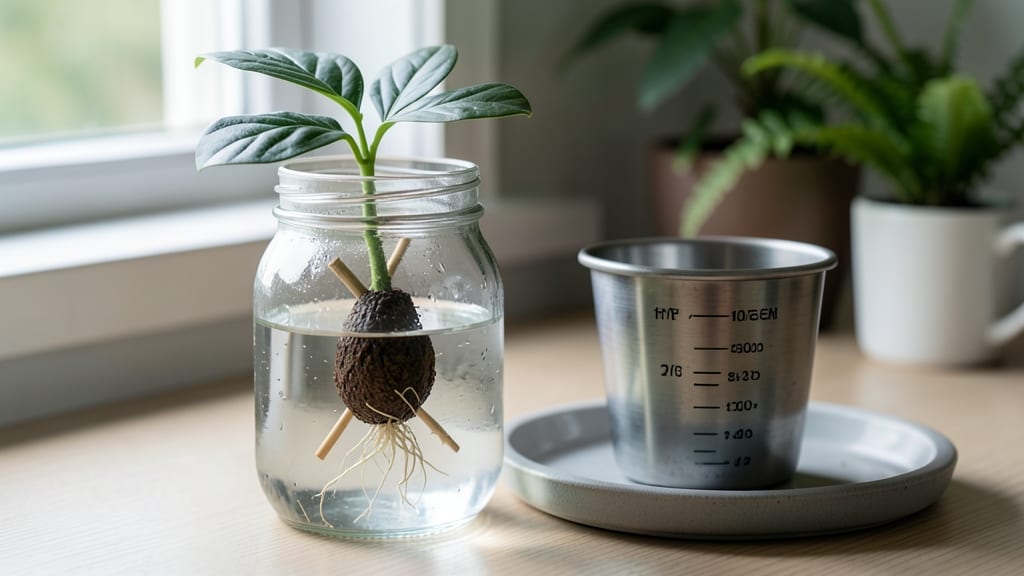
Growing an avocado seed in water is the easiest way to start your own plant—just don’t expect instant results. ✨ The first roots can appear in 2-4 weeks, but patience is key, especially if your seed struggles to break dormancy.
I’ve watched mine sit stubbornly for six weeks before finally sending down a single root, only to double that within a month. The secret lies in keeping the water fresh without drowning the seed.
Change it every 2-3 days to prevent mold or root rot, and use a toothpick to prop the seed upright so half stays submerged. A sunny windowsill or grow light helps, but avoid direct afternoon sun that can scorch tender new growth.
Once roots reach 4-6 inches, it’s time to transfer to soil. The transition can be tricky—many seedlings wilt as they adjust, but with consistent moisture and bright indirect light, they’ll bounce back within a week.
By month three, you’ll see new leaves unfurling, signaling your plant is truly taking off. This method works for any avocado pit, but tropical varieties like Hass or Fuerte tend to thrive better than smaller seed types.
Common mistakes include overwatering, poor lighting, or rushing the soil transfer—so take it slow, and soon you’ll have a lush houseplant that’s all yours.
📚 In This Guide
- What you need
- Instructions
- Tips and common mistakes
- Wrapping up and next steps
What you need
- ● 1 fresh, organic avocado pit – Choose a seed that’s firm, free of mold, and ideally from a Hass avocado (the most common variety).
- ● 1 glass or jar (16–24 oz) – A clear container lets you monitor root growth easily. Mason jars or tall drinking glasses work great!
- ● Water – Use room-temperature, filtered, or tap water (chlorine-free if possible). Change it every 2–3 days to prevent bacteria.
- ● Toothpicks (3–4) – Bamboo or wooden toothpicks work best for balance.
- ● Knife or peeler – For carefully removing the avocado pit from the fruit.
- ● Fertilizer (diluted) – A tiny pinch of seaweed extract or compost tea can boost early growth.
- ● Humidity dome or plastic wrap – Helps maintain moisture if your home is dry.
- ● Grow light (LED or fluorescent) – If placing near a window isn’t an option, a 12-hour light cycle encourages healthy sprouting.
How to grow avocado roots in water: a simple step-by-step guide
Here's the straightforward method I've used to coax roots from avocado pits—no fancy tools, just patience and a few key tricks.
🌱 Step 1: Prepare the Avocado Pit Properly
Start with a fresh, organic avocado pit—avoid store-bought ones that may have been treated to prevent sprouting. Rinse the pit thoroughly to remove any fruit residue, then let it dry completely for 24 hours. This prevents mold from forming in the water later.
Next, insert 3-4 toothpicks evenly around the pit, spacing them about ½ inch apart. The toothpicks should stick out enough to suspend the pit over a glass of water without touching the bottom. Here's the thing—balance is everything. If the pit leans too far one way, the toothpicks will tip it, and you'll end up with uneven root growth.
💧 Step 2: Suspend the Pit Over Water
Fill a clean glass with 2-3 inches of room-temperature water. The water level should be just enough to cover the bottom ¼ inch of the pit—no more. Too much water drowns the pit, while too little prevents roots from finding moisture. Suspend the pit using the toothpicks, ensuring the wider, flatter side faces down.
Place the glass in a warm, bright spot (but not direct sunlight) where the temperature stays between 65-75°F. You'll see condensation form on the pit's surface in the first few days—that's normal. Change the water every 3-4 days to keep it fresh and prevent bacterial growth. Watch closely for the first sign of roots: tiny white tendrils emerging from the bottom after 2-6 weeks.
☀️ Step 3: Encourage Root Growth and Monitor Progress
Once roots appear, they'll grow ½ inch to 1 inch per week if conditions are right. Keep the water level consistent—never let the roots dry out, but don't submerge them completely. You'll notice the roots thicken and darken over time, a sign they're strengthening. If the water turns cloudy or smells funky, dump it and refresh immediately.
After 4-6 weeks, you should have 2-3 inch roots—now's the time to decide whether to keep growing them in water or transplant to soil. I like to wait until roots reach 3 inches before transplanting, as this gives the plant a better chance of survival. Real talk: some pits never sprout, and that's okay. Patience is key here.
🪴 Step 4: Transplant to Soil (When Ready)
When roots are 3-4 inches long, it's time to move your avocado to soil. Fill a 6-inch pot with well-draining potting mix and make a small hole in the center. Gently place the pit in the hole, ensuring the roots dangle down naturally. Cover the top ½ inch of the pit with soil, leaving the toothpicks exposed.
Water lightly until it drains from the bottom, then place the pot in bright, indirect light. Keep the soil moist but not soggy—stick your finger in the top inch of soil. If it feels dry, water again. You'll see the first true leaves appear in 4-8 weeks, signaling the plant is establishing itself. Don't rush this step; transplant shock is real, and a sudden move can stall growth.
Tips & tricks for growing avocado roots in water
Took me a while to figure these out, so here goes—these little details make all the difference when waiting for those first roots to appear.
Pit Selection: Here's what nobody tells you—pick the pit from a fully ripe avocado with no soft spots. The flesh should give slightly when pressed, and the pit should feel dense, not hollow. I've tried pits from underripe avocados, and they either mold or take twice as long to sprout. Also, avoid pits with cracks—they're more prone to bacterial growth in water.
Toothpick Placement: The balance tip in Step 1 is critical, but here's the real secret: angle the toothpicks slightly downward (about 10-15 degrees) when inserting them. This helps the pit naturally position itself with the wider, flatter side down—exactly where roots will emerge. I learned this the hard way after ruining three setups where the pit leaned too far one way.
Water Level Maintenance: That ¼ inch water coverage is non-negotiable, but here's how to check it properly: After inserting the pit, gently press it down until the bottom just touches the water, then lift it up slightly. The waterline should reach about halfway up the pit's bottom. Too much water creates anaerobic conditions that rot the pit, while too little starves the potential roots.
Root Growth Timeline: The 2-6 week window for first roots is real, but here's what I've noticed: Pits in warmer conditions (closer to 75°F) tend to sprout in the 2-3 week range, while cooler spots (below 65°F) can push it to 5-6 weeks. Watch for condensation on the pit's surface in the first week—that's your sign the pit is active and ready to sprout soon.
Pro Tips for Avocado Seed In Water
- Took me a while to figure these out, so here goes—these little details make all the difference when waiting for those first roots to appear.
- Pit Selection: Here's what nobody tells you—pick the pit from a fully ripe avocado with no soft spots.
- Toothpick Placement: The balance tip in Step 1 is critical, but here's the real secret: angle the toothpicks slightly downward (about 10-15 degrees) when inserting them.
Frequently asked questions
How long does it take for an avocado seed to sprout roots in water?
With patience, you’ll typically see roots sprouting within 2 to 6 weeks. Smaller seeds or those with a well-prepped pit (like a clean, intact base) tend to root faster. Keep the water fresh and warm (around 70–75°F) to speed up the process. If nothing happens after 8 weeks, try adjusting your setup!
Why isn’t my avocado seed growing roots in water?
Don’t worry—it’s often a simple fix! Check these first:
- Water quality: Use room-temperature water (not tap water left sitting overnight, which can grow bacteria).
- Pit exposure: Ensure 1/3 to 1/2 of the pit is submerged—too little or too much can hinder growth.
- Patience: Some seeds take longer, especially if the pit was dried out before planting.
- Mold or rot: If you see slimy water or black spots, dump the water, rinse the pit, and start fresh.
Can I plant the avocado seed in soil before roots grow?
While you can plant it in soil early, roots form faster in water (thanks to humidity and oxygen). For best results, wait until you see 1–2 inches of roots before transferring to soil. This gives the seedling a stronger start. If you’re impatient, try the soil + water hybrid method—bury the pit halfway in moist soil with the top exposed to air.
How often should I change the water for my avocado seed?
Change the water every 2–3 days to prevent bacteria or mold. Use a clean glass or jar, and rinse the pit gently if the water gets cloudy. Pro tip: Add a drop of hydrogen peroxide (3%) to the water weekly to keep it fresh and oxygenated—just don’t soak the pit in it!
What’s the best way to transfer an avocado seedling to soil?
Once roots reach 2–3 inches, it’s time to pot! Use well-draining soil (like a mix of potting soil and perlite) and plant the seedling with the root base just below the soil line. Keep the soil moist (not soggy) and place it in bright, indirect light. Avoid direct sunlight at first—it can stress the young plant. Within a few weeks, you’ll see leaves!
Wrapping up and next steps
Growing an avocado seed in water is a fun, rewarding, and eco-friendly project that teaches patience and nurtures a green thumb! 🌱 Whether you’re aiming for a thriving plant or just curious about the process, your efforts will pay off with time and care.
Once your seed sprouts roots, transplant it into soil to encourage leafy growth—your next logical step is to give it the love it deserves in a pot or garden bed.
Ready to watch your tiny seed transform? Start today and enjoy the journey! 🌿