
Propagation
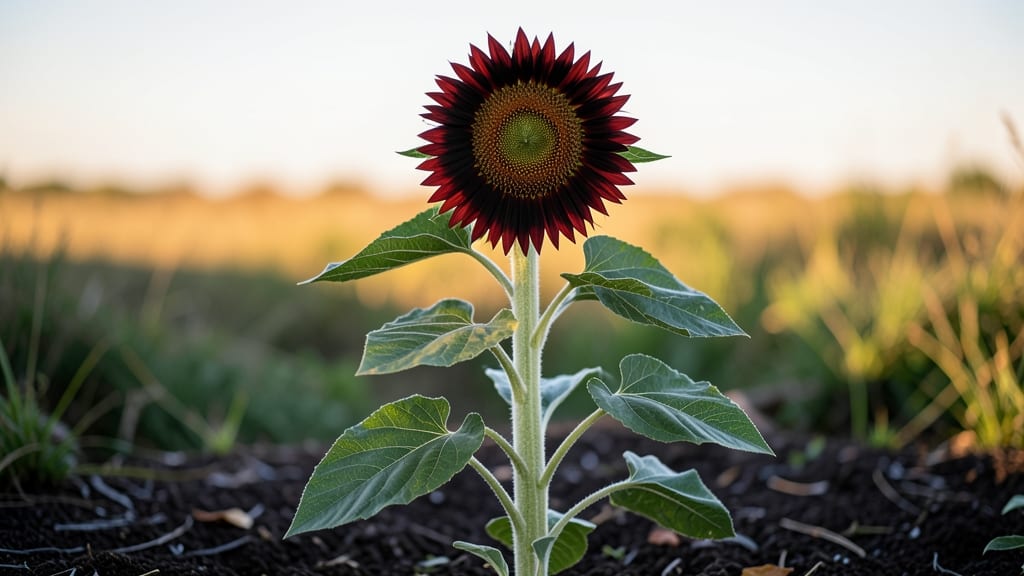
Black mammoth sunflower seeds grow into towering giants with blooms so bold they stop traffic. 🌻 I planted mine last spring, and by July, my backyard was a sunflower cathedral—dark stems, velvety leaves, and flowers wide enough to hide behind. The secret starts with cold-stressed roots, not just warm soil.
These sunflowers demand space: 10-12 feet tall and 4-6 feet wide at maturity. Plant them where they won’t shade other crops, and give roots room to stretch deep. The key? Start seeds indoors 6-8 weeks before last frost—they germinate fast but need a head start in cooler climates.
Once planted, water deeply once a week (more in extreme heat) and watch them shoot up like skyscrapers. The dark foliage makes them stand out, and the blooms? 12+ inches across, with centers packed with seeds for birds—or your next harvest.
For beginners, this variety forgives mistakes: it’s hardy, drought-tolerant once established, and bolting rarely happens if you time planting right. Just avoid over-fertilizing—too much nitrogen means fewer blooms, more leaves. Let’s get those seeds growing!
📚 In This Guide
- What you need
- Instructions
- Tips and common mistakes
- Wrapping up and next steps
What you need
- ● Black Mammoth sunflower seeds: 10–20 seeds (or more if planting in rows). Choose heirloom, non-GMO seeds for the best results!
- ○ Well-draining potting mix: A high-quality, organic blend (e.g., 60% peat/coir, 30% perlite, 10% compost). Optional: Add a slow-release fertilizer (5-10-5 ratio) for a nutrient boost.
- ● Containers or garden bed: For seedlings: 2–3" deep pots (biodegradable or standard) or seed trays with drainage holes.
- ● For transplanting: A sunny spot with 6+ feet of vertical clearance (or a trellis if space is tight!).
- ● Watering can or spray bottle: Gentle watering is key—avoid soggy soil!
- ● Garden twine or stakes: 6–8 ft tall (for support as they grow). Pro tip: Use soft ties to avoid damaging stems!
- ● Hand trowel or transplanting tool (for moving seedlings).
- ● Pruning shears (to trim dead leaves or encourage bushier growth).
- ● Mulch (straw or wood chips) (to retain moisture and suppress weeds).
- ● Cold frame or frost cloth (if starting seeds early in cool climates).
- ● Liquid fertilizer (fish emulsion or compost tea) (for a mid-season growth boost).
Step-by-Step instructions for growing Black Mammoth sunflowers
Here's how I grow these towering beauties—from cold-started roots to 12-foot giants.
🌱 Step 1: Start Seeds Indoors for Early Strength
Plant 2-3 seeds per cell in a seed-starting tray 4-6 weeks before your last frost date. Black Mammoths thrive when given a head start, and cold-stressing the roots actually makes them stronger. Fill cells with moistened seed-starting mix and press seeds just below the surface—about ½ inch deep—since they need darkness to germinate.
Cover the tray with plastic wrap or a humidity dome to trap warmth and moisture. Place in a warm spot (70-75°F) and expect sprouts in 7-14 days. Once they emerge, remove the cover immediately to prevent mold. You'll know they're ready for light when the first true leaves (not the initial seed leaves) appear—usually within 10-14 days.
☀️ Step 2: Harden Off and Transplant After Frost
Two weeks before transplanting, begin hardening off seedlings by placing them outside in a sheltered spot for 1-2 hours daily. Gradually increase exposure over 7-10 days, watching for strong stems and deep green leaves. Black Mammoths handle cold better than most sunflowers, so I often transplant them as soon as soil is workable—even if frost is still possible.
Choose a full-sun location with 6+ hours of direct sunlight daily. Dig holes 1 inch deeper than the root ball and space plants 2-3 feet apart—these giants need room to sway in the wind. Water deeply after planting to settle the soil and encourage root growth. You'll see rapid growth once the soil warms to 60°F or above.
💧 Step 3: Water Deeply and Fertilize for Towering Growth
Water at the base 1-2 times per week, giving 1-2 gallons per plant each time. Black Mammoths develop deep taproots, so deep watering encourages stronger stems. Avoid wetting the leaves to prevent mildew—especially in humid climates. You'll know they're getting enough water when the soil feels dry 2-3 inches below the surface.
Fertilize lightly with a balanced 10-10-10 formula when stems reach 12 inches tall, then again when buds form. Too much nitrogen makes them grow leaves instead of flowers. I often side-dress with compost around the base for slow-release nutrients. Watch for 6-foot stems by mid-summer—that's when the real growth spurt begins.
✂️ Step 4: Support and Deadhead for Longer Blooms
Install stakes or cages before stems reach 4 feet—Black Mammoths can topple in wind or rain. Tie stems loosely with soft twine, leaving room for growth. You'll see the first buds form 8-10 weeks after transplanting, and they'll open into 10-12 inch blooms that last 2-3 weeks.
Deadhead spent blooms by cutting stems back to the nearest set of healthy leaves. This encourages a second flush of flowers on many plants. If you want to save seeds, leave one or two blooms to dry completely on the stem. You'll know they're ready when the back of the bloom turns brown and the seeds rattle inside.
Tips & tricks for growing towering sunflowers
Here's what I learned after growing these giants for years—tricks that'll make your Black Mammoths reach their full potential.
Cold-Stressing Secret: The 4-6 week indoor start isn't just about timing—it's about giving those roots a cold shock. After your seeds sprout in Step 1, place the tray in the fridge for 12 hours overnight for 3-4 nights. This mimics winter conditions and creates stronger, more resilient plants that'll handle transplanting like champs. I learned this the hard way after my first batch flopped in cold spring soil.
Harden Off Gradually: When you're increasing outdoor exposure in Step 2, don't rush it. Start with just 30 minutes daily in the shade, then move to 1-2 hours in partial sun. Watch for wilting—if leaves droop, they're not ready. I've seen seedlings recover from too much sun, but they never grew as tall as properly hardened-off plants. The key is watching for strong stems that stand up straight when you touch them.
Watering Wisdom: That 1-2 gallons per plant in Step 3 needs to go deep—use a long-handled watering wand or soaker hose to wet the soil 6 inches down. Surface watering creates shallow roots that can't support those towering stems. I test moisture by sticking my finger 2-3 inches down—if it feels dry, it's time to water. And here's a pro move: water in the morning so leaves dry completely before evening, preventing mildew.
Fertilizer Timing: When you reach the 12-inch mark in Step 3, don't just add fertilizer—mix it into the soil around the base rather than sprinkling on top. This prevents root burn and gives those deep taproots exactly what they need. I've found that Black Mammoths actually grow better with less fertilizer than most sunflowers—too much nitrogen makes them grow leaves instead of stems. A light hand is key here.
Pro Tips for Black Mammoth Sunflower Seeds
- Here's what I learned after growing these giants for years—tricks that'll make your Black Mammoths reach their full potential.
- Cold-Stressing Secret: The 4-6 week indoor start isn't just about timing—it's about giving those roots a cold shock.
- Harden Off Gradually: When you're increasing outdoor exposure in Step 2, don't rush it.
Frequently asked questions
about growing Black Mammoth sunflower seeds—your go-to guide for troubleshooting and practical tips!How long does it take for Black Mammoth sunflowers to grow from seed?
Black Mammoth sunflowers are slow but rewarding! From seed to full bloom, expect 80–100 days in ideal conditions (warm soil, full sun, and consistent moisture). Early stages (seedling to 6 inches) take about 2–3 weeks. Patience pays off with those towering, dramatic blooms!
Can I plant Black Mammoth sunflowers in cold climates?
These sunflowers thrive in USDA Zones 2–11 and are cold-hardy—they can handle light frosts and even grow in cooler regions. Start seeds indoors 4–6 weeks before last frost or direct-sow after soil warms to 50°F (10°C). Their deep roots help them withstand stress!
What if my Black Mammoth sunflower seeds don’t sprout?
Don’t panic! Common issues include old seeds, improper planting depth (too deep), or cold soil. Try these fixes:
- Soak seeds overnight in warm water before replanting.
- Plant ½–1 inch deep in well-draining soil.
- Use a seedling heat mat if soil temps are below 50°F (10°C).
- Test viability by cutting a seed open—if it’s hard and white, it’s good!
Are Black Mammoth sunflowers annual or perennial?
They’re annuals, meaning they complete their life cycle in one growing season. However, their massive taproots (up to 10 feet deep!) can leave behind nutrients for next year’s garden. For repeat blooms, replant seeds annually or try perennial sunflower varieties like Helianthus species.
Can I eat the seeds or petals from Black Mammoth sunflowers?
Yes! While Black Mammoth seeds are primarily grown for their ornamental blooms, they’re edible and nutritious—high in protein, vitamin E, and healthy fats. The petals are also safe to eat (raw or cooked) and add a mild, slightly nutty flavor to salads or garnishes. Just ensure they’re pesticide-free!
What’s a good alternative if Black Mammoth is too tall for my garden?
If space is limited, consider these stunning sunflower alternatives:
Variety
Height
Unique Feature
Teddy Bear
3–5 feet
Fuzzy, child-friendly blooms; great for containers.
Moulin Rouge
4–5 feet
Deep red petals with a striking black center.
Autumn Beauty
5–6 feet
Multicolored petals (yellow, red, brown) for a wild look.
Wrapping up and next steps
Growing Black Mammoth sunflower seeds is a rewarding journey that turns your garden into a towering masterpiece! 🌻 These giants thrive with patience, the right conditions, and a dash of cold-stress magic—proving that resilience yields beauty.
Whether you’re a seasoned gardener or a curious beginner, your efforts will bloom into stunning, sun-drenched rewards.
Ready to watch your garden transform? Start by planting your seeds this week—then share your progress with fellow sunflower enthusiasts. Happy growing! 🌱