
Size
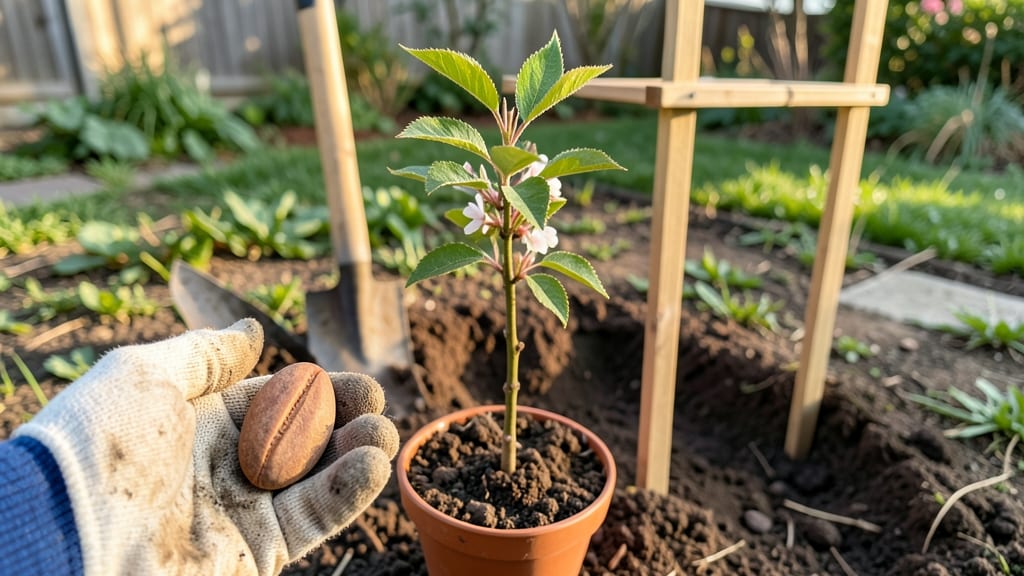
Growing a peach tree from a peach seed in your garden requires patience, but the magic happens when you understand cold stratification. 🌱 I’ve turned kitchen scraps into sturdy seedlings by mimicking nature’s winter chill—no fancy equipment needed, just a little science and time.
The key is breaking dormancy the right way, so your seed doesn’t just sprout but thrives from the start.
Most peach pits need 60-90 days of cold treatment to germinate reliably. Grab a damp paper towel, seal the pit inside a plastic bag, and stash it in your fridge (not freezer).
That’s all it takes to trick the seed into thinking winter’s passed. Once sprouted, transplant into soil and watch those first leaves unfurl—though expect slow growth at first.
By summer’s end, you’ll have a 3-4 foot sapling ready for its permanent home. The trade-off? Seed-grown trees take 5-7 years to fruit, and the peaches may not match store-bought varieties. But the adventure of growing your own—from a single pit—makes every wait worthwhile. Just don’t rush it.
This method works for any backyard or container, even in small spaces. The real reward? A tree with roots in your hands—and your history. Ready to start? Let’s get those pits sprouting.
📚 In This Guide
- What you need
- Instructions
- Tips and common mistakes
- Wrapping up and next steps
What you need
- ● Peach seeds: 3–5 fresh, pitted peach seeds (from organic peaches if possible). 💡 Pro tip: Save seeds from ripe, locally grown peaches for the best germination rates!
- ● Cold stratification setup: Paper towel or damp peat moss (or coconut coir)
- ● Plastic ziplock bag (resealable) or small container with a lid
- ● Refrigerator (or outdoor cold frame in winter, if temperatures stay below 40°F/4°C)
- ● Potting mix: 1 small pot (4–6 inches wide) filled with well-draining seed-starting mix (or a 50/50 blend of potting soil + perlite)
- ● Spray bottle (for gentle watering)
- ● Grow lights or sunny windowsill (south-facing, with 6+ hours of light/day)
- ● Small hand trowel (for transplanting seedlings)
- ○ Heat mat (optional, to speed up germination if your home is chilly)
- ● Humidity dome (or clear plastic wrap to retain moisture)
- ● Fertilizer (balanced 5-5-5 or fish emulsion once seedlings sprout)
- ● Label & marker (to track seed varieties and planting dates!)
- ● Patience & a journal (to log progress—germination can take 4–12 weeks!)
Step-by-step instructions for cold stratifying peach seeds
Here's how I reliably break dormancy and coax peach seeds into vigorous seedlings.
🌱 Step 1: Extract and Clean the Seeds
Remove the seed from the pit by carefully cracking open the hard shell with a nutcracker or hammer. The seed itself will be encased in a papery brown coating—peel this away completely, as it can harbor mold. Rinse the clean seed under cool water to remove any residual fruit pulp. I like to soak it for 10 minutes in a 10% bleach solution to sterilize the surface, then rinse again thoroughly.
This step prevents fungal issues later. The seed should feel smooth and firm, with no soft spots or cracks. If you see any discoloration or damage, discard that seed—it won't germinate properly. Peach seeds are particularly sensitive to mold, so cleanliness is critical.
❄️ Step 2: Prepare the Cold Stratification Mix
Fill a small plastic bag with 1 cup of dampened peat moss or coconut coir—the moisture should feel like a wrung-out sponge. Add your cleaned peach seed, then seal the bag tightly, squeezing out excess air. Place the bag in a 35-45°F environment for 8-12 weeks. I use my refrigerator's crisper drawer, which maintains consistent cold temperatures without freezing.
Check the bag weekly—if the mix feels dry, mist it lightly with water. The seed needs consistent moisture but not soggy conditions. This cold period mimics winter in nature, breaking the seed's dormancy. Real talk: Skipping stratification means waiting months (or never) for germination.
🌱 Step 3: Plant After Stratification
After the cold period, plant the seed 1 inch deep in a small pot filled with sterile seed-starting mix. Press the soil gently around the seed to ensure good contact. Place the pot in a warm, bright location (70-75°F) with indirect light. I use a seedling heat mat to maintain warmth until germination.
Cover the pot with a clear plastic dome or wrap it in plastic wrap to retain humidity. Germination can take 2-4 weeks, so patience is key. Watch for the first true leaves—these will be small and rounded, signaling successful sprouting. This is the moment that matters: consistent moisture and warmth now prevent mold while encouraging root development.
☀️ Step 4: Transplant and Provide Light
Once the seedling reaches 3-4 inches tall with 3-4 true leaves, transplant it into a 4-inch pot with fresh potting mix. Harden off the seedling by placing it outdoors in partial shade for 1-2 hours daily over 7-10 days. Gradually increase exposure to full sun as the plant acclimates.
Peach seedlings need full sun (6+ hours daily) to grow strong. You'll see leggy growth if light is insufficient—this is your cue to move the plant closer to a sunny window or under grow lights. Keep the soil lightly moist but never soggy. Overwatering at this stage causes root rot, which is fatal for young seedlings.
Tips & tricks for perfect peach seed sprouting
Here's what I've learned after years of experimenting with peach seed germination—these details make all the difference.
Seed Selection: Choose seeds from fully ripe peaches for best results. The seed should feel heavy and solid when you hold it—lightweight or hollow seeds won't germinate. I always test a few seeds first by floating them in water: good seeds sink immediately, while bad ones float. This quick test saves you weeks of waiting for non-viable seeds.
Stratification Environment: The 35-45°F temperature range is critical for breaking dormancy, but consistency matters more than exact degrees. I've found that refrigerator crisper drawers work perfectly because they maintain stable humidity too. If your fridge runs warmer, place the bag on the bottom shelf where it's coldest. Avoid freezer sections—they can damage the seed.
Germination Timing: Those 2-4 weeks of germination can feel like forever, but there are visual cues to watch for. After the 8-12 week stratification, look for the seed coat to split slightly—this means the radicle (root) is emerging. Once you see the first true leaves (not the initial seed leaves), you're at the 2-week mark. Patience pays off here—rushing can lead to mold.
Light Management: The 70-75°F warm, bright location is where many fail. I use a combination of a sunny windowsill and a grow light on a timer for 12 hours daily. Without sufficient light, seedlings become leggy and weak. If you notice stems stretching toward the light source, it's time to supplement with artificial lighting immediately.
Pro Tips for Peach Seed Grow A Garden
- Here's what I've learned after years of experimenting with peach seed germination—these details make all the difference.
- Seed Selection: Choose seeds from fully ripe peaches for best results.
- Stratification Environment: The 35-45°F temperature range is critical for breaking dormancy, but consistency matters more than exact degrees.
Frequently asked questions
Got questions about growing peach seeds into a thriving garden? You’re not alone!
Here are answers to the most common curiosities—from timing to troubleshooting—so you can grow with confidence.
How long does cold stratification take for peach seeds?
Cold stratification typically requires 6 to 12 weeks in the fridge. Place seeds in a damp paper towel or moist sand inside a sealed bag, then store them at 35–40°F (2–4°C). Patience is key—this mimics winter’s chill, breaking dormancy for better germination rates. Pro tip: Check seeds weekly for mold or drying.
When should I plant stratified peach seeds outdoors?
Wait until spring after the last frost (usually late April–May in most zones). Soil should be at least 60°F (15°C)—peach seeds need warmth to sprout. Plant them ½ inch deep in well-draining soil, spacing them 1–2 feet apart. Young seedlings are delicate, so protect them from harsh winds or late frosts with row covers.
Can I grow a peach tree from a store-bought peach pit?
Yes! But expect unpredictable results—commercial peaches are often hybridized for flavor, not rootstock. Your seedling may grow into a wild, non-fruiting tree or a different variety. For reliable peaches, graft a known cultivar onto your seedling later. Fun fact: Some seed-grown trees produce sweeter, unique fruit over time!
Why aren’t my peach seeds sprouting after stratification?
Try these fixes if seeds stay dormant:
- Check moisture: Damp (not soggy) conditions are critical.
- Test viability: Soak seeds in warm water for 24 hours—floating seeds are likely dead.
- Adjust timing: Some seeds need longer (up to 3 months) stratification.
- Try heat: After stratification, place seeds in a warm spot (70–80°F/21–27°C) to encourage germination.
How long until my peach seedling bears fruit?
Patience is a virtue! Seed-grown peach trees typically take 5–7 years to bear fruit, while grafted trees may fruit in 3–4 years. Factors like climate, soil quality, and pollination (peaches need cross-pollination) play a role. Pro tip: Plant two varieties nearby to boost your chances of sweet peaches!
Wrapping up and next steps
Growing a peach tree from seed is a rewarding journey that blends patience with nature’s magic! 🌱 By mastering cold stratification and nurturing your sprouts with care, you’re not just planting a seed—you’re cultivating a future harvest of juicy, homegrown peaches.
Remember, consistency is key, and every tiny root or leaf is a step toward success.
Ready to take the next step? Start small—plant your sprouted seeds in a pot or directly in your garden bed, and watch your peach tree grow into a thriving part of your landscape. Happy gardening! 🌿