
Plants
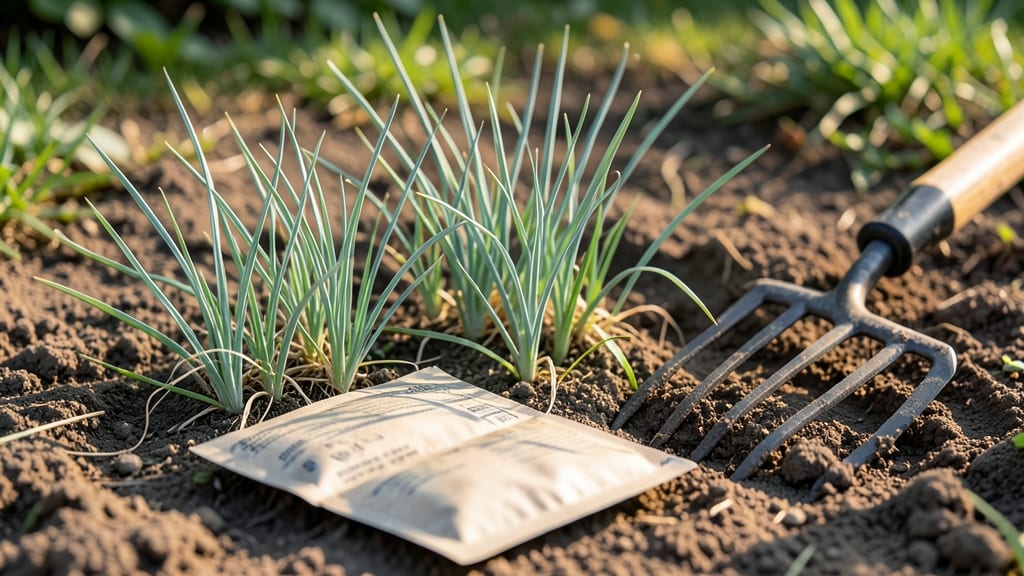
Planting grass seed in Michigan too late can leave you staring at a patchy lawn for months—or worse, a total failure—but knowing the exact cutoff by zone saves you time and money.
Picture this: you’ve got seed in hand, the weather’s cooperating, and you’re just a little behind schedule. Is your lawn still worth saving, or are you better off waiting until next spring? The answer depends on your zone, soil temps, and how much frost you’re willing to gamble with.
Michigan’s 5b-6b zones give you a narrow window—typically from early spring to early fall—but late-season planting is possible if you time it right. We’ll break down the last-minute deadlines by region, the soil temperature thresholds you must hit, and how to protect your seedlings from an early frost.
By the end, you’ll know whether your 🌱 grass seed stands a chance this fall—or if you’re better off waiting until March. Spoiler: some zones have a second chance in late August or September, but the rules are strict.
Michigan’s last-minute grass seed planting deadlines by hardiness Zone
Michigan’s cool-season climate gives you two chances to plant grass seed—spring and fall—but late-season plantings require precision. The last viable window depends on your USDA hardiness zone (4-6) and soil temperatures.
In Zone 4 (northern Michigan), you’ve got until mid-September, while Zone 6 (southern Michigan) can stretch to early October. Missing these deadlines risks frost damage before seedlings establish.
Soil temperature is your #1 guide. Grass seeds need consistent 50°F+ soil to germinate. In late summer, northern Michigan’s cooler nights can drop soil temps faster than southern regions.
Use a soil thermometer to confirm readiness—don’t guess! If temps dip below 45°F at night, germination slows dramatically, leaving your seed vulnerable to fungal diseases and frost.
| USDA Zone | Last-Minute Planting Window | Soil Temp Threshold | Frost Risk | Establishment Time |
|---|---|---|---|---|
| Zone 4 (Northern MI) | Late August - Mid-September | 50°F+ (daytime), 45°F+ (night) | High (first frost: Oct 10-15) | 3-4 weeks |
| Zone 5 (Central MI) | Late August - Late September | 50°F+ (daytime), 40°F+ (night) | Moderate (first frost: Oct 15-20) | 3-4 weeks |
| Zone 6 (Southern MI) | Late August - Early October | 50°F+ (daytime), 35°F+ (night) | Low (first frost: Oct 25-30) | 3-4 weeks |
Northern Michigan’s shorter growing season demands earlier action. If you’re in Zone 4, aim to finish planting by September 15. This gives seedlings 4-6 weeks to grow a 2-inch root system before winter.
In Zone 6, you’ve got a little more wiggle room—early October plantings can still work if soil stays warm and you protect with straw mulch.
Don’t let weed competition derail your late-season efforts. Pre-emergent herbicides can wait until spring, but hand-pull weeds now to reduce stress on young grass. A light nitrogen boost (like a starter fertilizer) helps seedlings compete. Just avoid heavy feeding—it encourages tender growth that frost will kill.
For Zone 5 and 6 gardeners, late September is your absolute cutoff. After that, seeds struggle to germinate before dormancy sets in. If you’re on the fence, test soil moisture with a screwdriver: it should penetrate 6 inches without resistance.
Dry soil = failed germination. Keep a watering schedule for 2-3 weeks post-planting—even if rain falls.
Cold-hardy varieties like tall fescue or perennial ryegrass are your best bets for late plantings. They tolerate cooler soils better than Kentucky bluegrass. Pair them with a thin straw mulch layer (¼ inch) to insulate roots and retain moisture.
This trick buys seedlings 1-2 extra weeks of growth before winter.
Watch for frost warnings after planting. If a light freeze (28°F) is forecast, cover seedlings with frost cloth or cardboard. Remove it during the day to prevent overheating. Remember: frost kills seedlings, not just mature grass. Even a single night below 28°F can halt germination for weeks.
If you’ve already planted past these deadlines, don’t panic. Fast-draining soils in Zone 6 might still yield 50% germination if you act now. For Zone 4, your best bet is to wait until spring—but mark the area to avoid foot traffic and reduce weed growth over winter.
Spring plantings in March-April have a 90%+ success rate with proper prep.
For real-time updates, check Michigan State University Extension’s frost maps or use the Old Farmer’s Almanac app. These tools adjust for microclimates (like urban heat islands) that can extend your planting window by 1-2 weeks. When in doubt, plant early
5 Critical signs your late grass seed planting will fail (and how to fix it)
If you're still debating whether to plant grass seed in Michigan this late, watch for these five red flags that signal your lawn may never reach full potential. Late-season planting comes with unique challenges, especially when soil temperatures dip below 50°F or nighttime frosts creep in.
I’ve seen too many gardeners waste seed and money by ignoring these warning signs.
First, uneven soil moisture is a major deal-breaker. Grass seeds need consistent dampness to germinate, but late-season rains can be unpredictable. If your soil feels dry just 1 inch below the surface, your seeds won’t sprout—no matter how much you water.
Use a soil moisture meter to check before planting.
Next, keep an eye on weed competition. Weeds like crabgrass and chickweed germinate faster than grass seeds in cooler weather. If weeds pop up within 5-7 days of planting, your grass seedlings won’t stand a chance. Pre-emergent herbicides can help, but timing is critical—apply them 2 weeks before seeding.
⚠️ CALLOUT WARNING ⚠️
In northern Michigan (Zone 5b), planting after September 15 risks frost damage before seeds germinate. Southern Michigan (Zone 6b) can push it to October 1, but only if soil stays above 50°F and nights stay above 40°F. Use a frost clock or local MSU Extension alerts to track risks.
Fix It: Choose cold-hardy varieties like tall fescue or perennial ryegrass, and cover seeds with straw mulch (1/4 inch thick) to insulate them.
Temperature fluctuations are another silent killer. If daytime highs hit 70°F+ but nights drop to 45°F or lower, seeds may germinate too fast or rot. This "thermal shock" stunts root growth. Monitor your local high/low forecasts for at least 10 days after planting.
Slow germination is a clear failure sign. Grass seeds should sprout within 7-14 days in ideal conditions. If you don’t see tiny green shoots after 21 days, your seeds are likely dormant or dead.
Test a small patch by scratching the soil—if seeds are still intact but dry, they need more moisture and warmth.
Finally, thin or patchy coverage after 4 weeks means your grass won’t fill in. This happens when seeds are too sparse, soil compaction blocks roots, or animals (like voles or birds) eat them.
Spread seeds thicker than usual (use 1.5x the recommended rate) and protect the area with wire mesh until germination.
Don’t let late planting ruin your lawn—act fast if you spot these signs! Adjust your approach with cold-hardy seeds, protective mulch, and consistent care to give your grass a fighting chance. 🌱