
Plants
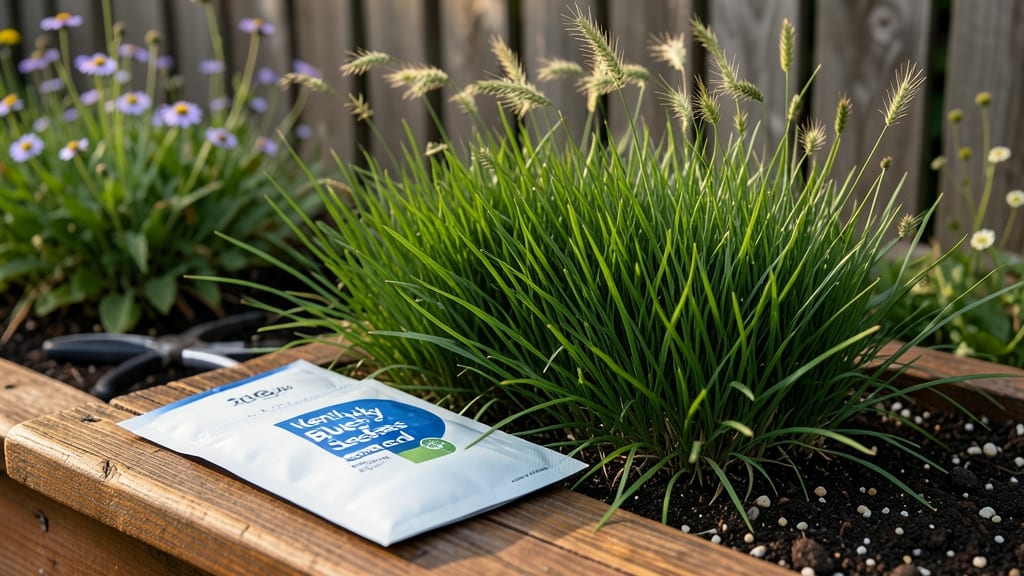
You should plant grass seed in Michigan between early spring and early fall, when soil temperatures hit 50-65°F and frost risks fade—but timing is everything for a thick, weed-free lawn.
Michigan’s unpredictable spring and fall weather can make timing your grass seed planting a real challenge—get it wrong, and you’ll battle weeds, drought, or frost instead of enjoying a lush lawn.
In USDA Zones 5b-6b, the ideal window stretches from mid-April to early September, with late summer/fall plantings offering cooler soil and fewer weeds. But before you grab that seed bag, check your local frost dates and soil conditions.
Here’s the zone-specific breakdown you need, plus soil prep tips and the best grass types for Michigan’s climate—so you can skip the guesswork and grow a lawn that stands up to Michigan’s toughest seasons.
Michigan’s grass planting zones: when to plant by USDA Hardiness Zone
Michigan spans USDA Hardiness Zones 4b through 6a, meaning frost dates and soil warmth vary dramatically from the Upper Peninsula to Detroit. Planting grass seed too early risks frost damage, while waiting too late can leave your lawn vulnerable to summer weeds.
The sweet spot? Soil temperatures between 50°F and 65°F—when seeds germinate reliably without stress.
Most Michigan gardeners focus on two planting windows: early spring (after last frost) and late summer (before first frost). Zone 4b areas (like Traverse City) have shorter growing seasons, while Zone 6a regions (like Ann Arbor) enjoy longer fall planting opportunities.
Let’s break down the best times for each zone to avoid common pitfalls like late-season drought or early frost.
Key rule: Never plant when soil temps drop below 50°F or when nighttime temps fluctuate above 80°F. Use a soil thermometer to check—consistent warmth is your best friend for germination.
For Zone 4b gardeners, focus on late April to early May for spring planting—this gives seeds time to establish before summer heat. Fall planting should wrap up by late August to avoid early frosts.
In Zone 6a, you can push fall planting into early October, but monitor weather forecasts closely.
Pro tip: Test your soil temperature at 4 inches deep (where seeds will be). If it’s below 50°F, wait—cold soil slows germination and invites disease. Above 70°F? You’re risking drought stress, especially in Zone 6a’s hot summers. Aim for 55–65°F for ideal conditions.
Michigan’s late summer droughts (July–August) are another challenge. If planting in late summer, water deeply every other day until seeds germinate (about 2–3 weeks). Mulch lightly with straw to retain moisture—this is critical in Zone 5b and 6a, where summer heat can dry out soil quickly.
Don’t overlook shade considerations. In wooded areas or urban backyards, plant fine fescue mixes in early fall (September–October) when trees drop leaves. These grasses thrive in partial shade and establish well before winter.
Finally, avoid planting in winter (November–February) unless you’re overseeding with winter ryegrass. Michigan’s frozen ground and snow cover make germination impossible. Spring and fall are your only reliable windows—plan ahead and mark your calendar!
Remember: Patience is key. Grass seed takes 2–4 weeks to germinate in ideal conditions. Zone 4b may see slower growth due to cooler temps, while Zone 6a can establish faster in warm falls. Monitor progress and adjust watering as needed—your dream lawn starts with the right timing! 🌱
Best grass seed types for Michigan’s climate and when to plant them
Michigan’s cool-season climate makes cool-season grasses the best choice for most lawns, but selecting the right variety depends on your yard’s sun exposure and drought tolerance needs. Kentucky Bluegrass and Tall Fescue dominate local lawns, but Fine Fescue and Perennial Ryegrass offer shade-friendly alternatives.
Each thrives during Michigan’s ideal planting windows—early spring or early fall—when soil temperatures hover between 50-65°F.
For full-sun lawns, Kentucky Bluegrass is a top pick due to its aggressive spreading and drought recovery, but it demands regular watering. Tall Fescue, on the other hand, excels in drought resistance and heat tolerance, making it perfect for southern Michigan’s hotter summers.
Meanwhile, Fine Fescue and Perennial Ryegrass shine in shady spots where other grasses struggle.
Planting timing is critical—cool-season grasses should go in early spring (March-April) or early fall (September-October) to avoid summer heat stress or winter dormancy. Warm-season grasses like Bermuda (rare in Michigan) would struggle here, so stick to cool-season types. Below, compare the top Michigan-friendly grasses and their best planting months.
If your lawn gets less than 4 hours of sun daily, Fine Fescue or a mix with Tall Fescue is your best bet. For high-traffic areas, Tall Fescue or Kentucky Bluegrass blends handle wear better.
Always test soil pH (6.0-7.0) before planting—Michigan’s clay-heavy soils often need gypsum or lime for optimal growth.
Pro tip: Overseed in fall (Sept-Oct) for a thicker lawn—cool temps and frequent rain boost germination rates. Spring planting (March-April) works too, but watch for late frosts in northern Michigan (USDA Zone 4b). For drought-prone areas, choose Tall Fescue blends with 10-15% Kentucky Bluegrass for resilience.
Remember, seed-to-soil contact is non-negotiable—rake lightly after sowing to ensure seeds touch bare earth. Water lightly twice daily until germination (7-21 days), then taper to deep weekly watering once established. With the right grass and timing, your Michigan lawn will outperform weeds and drought alike.