
Lawn
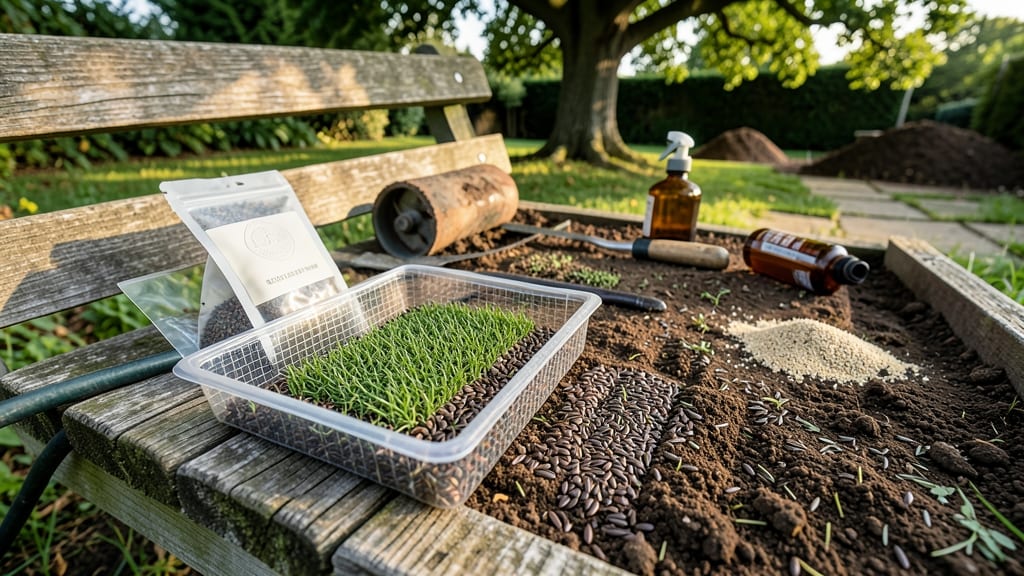
September is the secret weapon for a lush lawn next spring. 🌱 Cool temperatures and steady rainfall give grass seed the perfect conditions to germinate and establish strong roots before winter sets in—something spring planting can’t match. The biggest advantage?
Fewer weeds compete for space, and the soil stays warm enough for germination but cool enough to prevent seed drying. That said, late September plantings in frost-prone zones need extra protection, like a light mulch or frost cloth once temperatures dip below 40°F.
You’ll need the right seed mix for your climate (cool-season grasses like Kentucky bluegrass or fescue work best), a clean seedbed, and consistent moisture. Skip the heavy foot traffic for 4-6 weeks—let those tender roots take hold.
For best results, aim to plant 4-6 weeks before your first frost date. The effort pays off with a lawn that greens up earlier and stays thicker than spring-started patches. Here’s how to do it right.
📚 In This Guide
- What you need
- Instructions
- Tips and common mistakes
- Wrapping up and next steps
What you need
- ● Grass seed: Choose a cool-season variety (e.g., Kentucky bluegrass, fescue, or ryegrass). Quantity depends on your lawn size—typically 8–12 lbs per 1,000 sq ft for new lawns.
- ○ Soil test kit: Test your soil’s pH and nutrient levels (ideal pH: 6.0–7.0 for most grasses). Optional but highly recommended!
- ● Lawn fertilizer: A starter fertilizer (high in phosphorus, e.g., 10-20-10 ratio) to promote root growth. Apply ½ lb of nitrogen per 1,000 sq ft.
- ● Topsoil or compost: ¼–½ inch layer to improve soil quality if needed.
- ● Rake: A bow rake (for leveling) and a garden rake (for seed-to-soil contact).
- ● Broadcast spreader: For even seed distribution. Hand spreaders work too but require extra care!
- ● Water source: A hose with a sprinkler head or drip irrigation system for consistent moisture.
- ○ Mulching mats (optional): Biodegradable straw or jute mats to hold seed in place and retain moisture.
- ● Soil amendments: Lime (if pH is too low) or sulfur (if pH is too high).
- ● Pre-emergent herbicide: Apply 4–6 weeks before seeding to prevent weeds (check local regulations!).
- ● Lawn roller: Lightly compact soil after seeding for better seed-to-soil contact.
- ● Seed germination blanket: Protects new seedlings from birds and erosion.
- ● Garden gloves: Because nobody wants grass seed in their cuticles! 😅
Step-by-step instructions for planting grass seed in September
September’s mild temperatures and reliable moisture make it ideal for establishing a thick, resilient lawn—here’s how to do it right.
🌱 Step 1: Prepare the Soil for Optimal Seed Contact
Rake the existing turf aggressively to create a rough, textured surface—this ensures direct seed-to-soil contact, which is critical for germination. I use a stiff-bristled rake to break up any compacted areas, then level the ground so water can distribute evenly. For bare spots, loosen the soil 2-3 inches deep to encourage root penetration.
Test the soil’s moisture before seeding. It should feel like a damp sponge—press your hand into it; if it holds together but isn’t dripping, it’s ready. September’s natural rainfall often handles this, but if your area is dry, water lightly the day before planting. Avoid oversaturating, as waterlogged soil smothers seeds.
☀️ Step 2: Choose the Right Seed and Spread Evenly
Select a cool-season grass seed blend (like tall fescue or Kentucky bluegrass) for September planting—these thrive in 50-75°F temperatures. Scatter the seed using a broadcast spreader set to the recommended rate for your lawn size (typically 4-8 pounds per 1,000 sq ft). Walk in a crisscross pattern to avoid thick or thin patches.
Lightly rake the seeded area again with a leaf rake to press seeds into the soil without burying them. The rule of thumb: seeds should be covered by no more than ¼ inch of soil. This ensures they have enough light to germinate while staying protected from birds and wind. I like to mark seeded areas with small flags to avoid stepping on them.
💧 Step 3: Water Gently and Consistently for Germination
Keep the soil surface evenly moist for the first 2-3 weeks—this is the most critical phase. Water lightly twice daily (morning and evening) for 10-15 minutes per session to maintain surface dampness. You’ll know you’re doing it right when the top inch of soil feels like a wrung-out sponge. Overwatering can suffocate seeds, while too little causes them to dry out.
Once the grass reaches 2 inches tall, reduce watering to 1 inch per week, including rainfall. This encourages deep root growth. Watch for uniform green sprouts—if some areas stay bare, reseed those spots immediately. September’s cooler temps mean germination takes 7-21 days, depending on your region and seed type.
✂️ Step 4: Maintain and Strengthen the New Lawn
Wait until the new grass reaches 3-4 inches tall before your first mow—this ensures roots are established. Set your mower blade to 3 inches to protect the developing root system and reduce stress. Never remove more than ⅓ of the blade height in one mowing. I find that mowing in the late afternoon helps grass recover overnight.
After the first mow, fertilize with a low-nitrogen, high-phosphorus blend to support root development. Avoid heavy nitrogen applications until the lawn is fully established (typically after 6-8 weeks). Keep foot traffic minimal for the first 4-6 weeks—kids and pets will love the new lawn, but compacted areas can stunt growth.
⏰ Step 5: Adjust Care for Fall Transition
By late October, reduce watering to ½ inch per week unless your area experiences a dry spell. Cool-season grasses enter dormancy in winter, but consistent moisture helps them recover in spring. Apply a winterizer fertilizer in late fall to build root reserves—this is the secret to a lush spring lawn.
Rake up any fallen leaves promptly, as they smother grass and trap moisture, inviting fungal diseases. A light aeration in early fall (if you didn’t do it before seeding) helps roots access nutrients deeper in the soil. By following these steps, your September seeding will reward you with a dense, weed-resistant lawn come spring.
Tips & tricks for perfect fall grass establishment
September’s ideal conditions mean the difference between a patchy lawn and a lush carpet—here’s how to maximize your success.
Soil Prep Secret: Before raking, walk across your lawn to identify compacted areas—they’ll feel firm underfoot. Focus extra effort on these spots in Step 1, using a garden fork to break up the soil 2-3 inches deep. This creates tiny air pockets that seeds need to germinate properly. I’ve seen germination rates double when I take this extra step, especially in high-traffic areas.
Seed Selection Strategy: If your lawn gets heavy foot traffic, opt for a blend with tall fescue—it handles wear better than Kentucky bluegrass. For shady areas, look for seed blends labeled "shade-tolerant." The 4-8 pounds per 1,000 sq ft recommendation assumes average conditions; if your soil is rocky or sandy, err on the higher end for better coverage. Mark seeded areas with small flags to avoid accidentally stepping on them during the critical first 24 hours.
Watering Precision: Those 10-15 minutes per session of watering in Step 3 should feel like a gentle rain, not a downpour. Use a rain gauge or tuna can to measure—fill time should equal rainfall depth. I set a timer and move the hose every 5 minutes to prevent runoff. The goal is to keep the top inch of soil consistently damp, not soggy. A sprinkler with adjustable nozzles helps achieve even coverage without oversaturating.
Germination Timeline: The 7-21 day window for germination depends heavily on temperature—aim for the 50-75°F sweet spot. If your mornings dip below 50°F, consider covering newly seeded areas with a light frost cloth at night to protect tender sprouts. Watch for uniform green sprouts; if some areas stay bare after 21 days, they may need reseeding or additional soil contact.
Pro Tips for Planting Grass Seed In September
- September’s ideal conditions mean the difference between a patchy lawn and a lush carpet—here’s how to maximize your success.
- Soil Prep Secret: Before raking, walk across your lawn to identify compacted areas—they’ll feel firm underfoot.
- Seed Selection Strategy: If your lawn gets heavy foot traffic, opt for a blend with tall fescue—it handles wear better than Kentucky bluegrass.
Frequently asked questions
Got questions about timing, prep, or troubleshooting? You’re not alone! Here are some of the most common concerns when planting grass seed in September—plus straightforward answers to help you nail your lawn project.
Is September really the best time to plant grass seed?
September is ideal for cool-season grasses (like fescue, ryegrass, and bluegrass) because warm soil and cooler air create perfect germination conditions. The risk of weeds is lower, and you avoid summer heat stress or winter dormancy. Pro tip: Aim for late August to early October for best results in most U.S. regions.
How often should I water after planting?
Consistency is key! Water lightly (about ¼ inch) twice daily (morning and evening) for the first 2 weeks to keep soil moist but not soggy. After germination (7–21 days), taper to 1 inch per week, including rain. Overwatering can wash away seed or cause mold—soak the soil, not the surface.
What if the weather turns hot or cold before germination?
September’s unpredictable—here’s how to adapt:
Heatwave? Lightly mulch with straw to retain moisture and shield seed from sun.
Early frost? Cover seed with a breathable frost blanket (not plastic) to protect tender sprouts.
Rain delay? Wait until soil is dry enough to crumble (stick your finger in—if it clumps, wait 1–2 days).
Rule of thumb: Seed needs consistent 60–75°F soil temps to sprout.Can I overseed an existing lawn in September?
Yes! September is prime time for overseeding. Mow your lawn short (1–1.5 inches), rake to remove debris, and loosen soil lightly with a core aerator or slit seeder. Mix seed with compost or straw to help it stick to bare spots. Bonus: Overseeding thickens thin areas and crowds out weeds naturally.
What if my grass doesn’t grow after planting?
Don’t panic—troubleshoot with this checklist:
Seed too deep? Most grass needs ¼-inch coverage max.
Poor soil contact? Lightly rake again to ensure seed touches bare soil.
Pests or disease? Check for birds, rodents, or fungal spots (use repellents or fungicide if needed).
Wrong grass type? Verify your seed matches your climate (e.g., tall fescue for heat, perennial ryegrass for quick cover).
Last resort: Replant in a shaded, moist spot as a test patch.Wrapping up and next steps
September is the perfect time to transform your lawn into a lush, green paradise—cool-season grasses thrive in these mild temperatures, and with the right prep, you’ll see stunning results by spring! 🌱 Whether you’re patching bare spots or seeding an entire yard, your effort will pay off in a resilient, vibrant lawn.
Now that you’re armed with the how-to and answers to common questions, it’s time to roll up your sleeves and get growing!
Ready to take the next step? Mark your calendar for a follow-up watering schedule or consider investing in a soil test to fine-tune your lawn’s health. Every seed planted today is a step toward the lawn of your dreams—let’s make it happen! 🌟