
Companion Plants
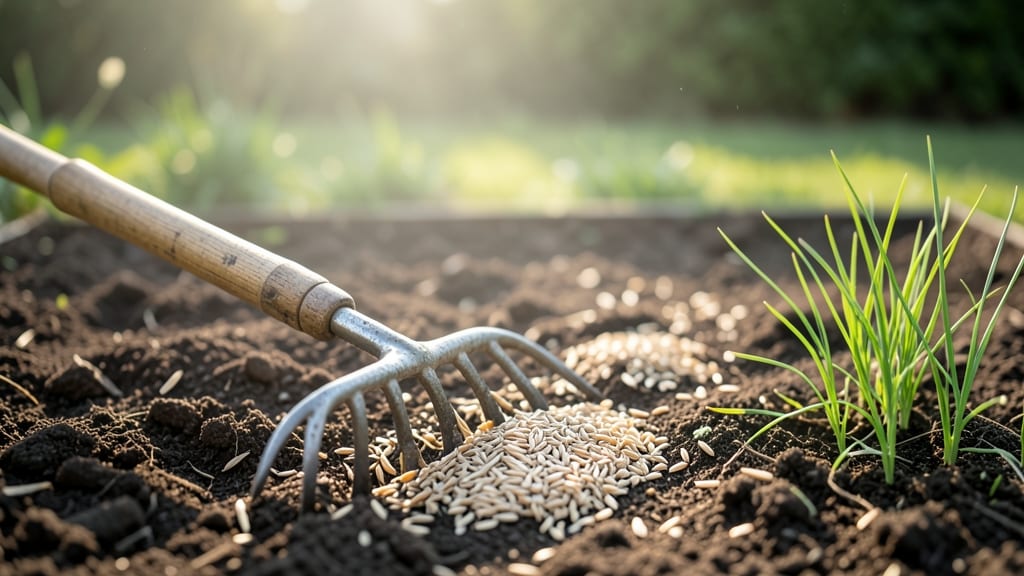
Planting grass seed in spring at the right time means the difference between a lush lawn by summer and waiting another year for results.
Timing your grass seed planting in spring can mean the difference between a lush, green lawn by summer and waiting another year for success—soil temperature is the secret weapon most gardeners overlook.
In USDA Zone 6a, where last frost typically hits around mid-April, you’ll want to plant 4-6 weeks before that date to give seedlings a fighting chance. But here’s the catch: soil temperature matters more than calendar dates.
Below, I’ll break down the fastest way to test your soil’s readiness, adjust for your region, and avoid the three biggest spring planting mistakes that kill germination before it starts.
Optimal soil temperature ranges for planting grass seed in spring
Planting grass seed at the right time in spring isn’t just about the calendar—it’s about soil temperature. Cool-season grasses like Kentucky bluegrass and fescue need cooler soil, while warm-season grasses such as Bermuda or Zoysia thrive when the ground warms up.
Getting this wrong can delay germination by weeks or even months, leaving you with a patchy lawn instead of the lush carpet you envision.
Most gardeners focus on air temperature when planning spring projects, but soil temperature is the real game-changer. Grass seeds won’t sprout until the ground reaches their ideal range, and checking this early in the season can save you from frustration.
For example, planting tall fescue too early in cold soil might result in seeds sitting dormant until conditions improve—by then, weeds have already taken over.
Here’s the key: Cool-season grasses germinate best when soil temps hover between 55–65°F (13–18°C), while warm-season grasses need 65–75°F (18–24°C). These ranges aren’t just arbitrary numbers—they’re based on decades of horticultural research showing when seeds activate enzymes to break dormancy.
Skipping this step is like trying to bake a cake without preheating the oven—it just won’t work.
| Grass Type | Ideal Soil Temp (°F/°C) | Best Planting Window | Regional Notes |
|---|---|---|---|
| Cool-Season Grasses (Fescue, Ryegrass, Bluegrass) | 55–65°F (13–18°C) | Early spring (4–6 weeks before last frost) | Northern US/Canada: Plant by March–April. Southern US: Late winter. |
| Warm-Season Grasses (Bermuda, Zoysia, St. Augustine) | 65–75°F (18–24°C) | Late spring (after last frost, when soil warms) | Southern US: April–May. Northern US: Early June. |
| Transition Zone Grasses (Tall Fescue Blends) | 50–60°F (10–15°C) | Early to mid-spring (adjust for local frost dates) | Zones 6–8: Plant 2–4 weeks before last frost. |
Testing your soil temperature is easier than you think. A soil thermometer (available for under $10) gives you precise readings, but if you don’t have one, there’s a simple DIY trick: press your finger into the soil about 2–3 inches deep.
If it feels cool but not freezing, it’s likely in the 55–65°F range. For warmer soils, it’ll feel almost like a warm bath—your grass seed will love it!
Regional variations matter more than you’d expect. In Zone 5 or colder, cool-season grasses might need to go in by late March, while in Zone 9 or warmer, warm-season grasses can wait until May.
Even within a state, microclimates play a role—soil near a south-facing wall warms faster than shaded areas. Always check local frost dates and adjust your timing accordingly.
One common mistake is assuming that air temperature and soil temperature move in lockstep. They don’t! A sunny 70°F day might still have 50°F soil if nights are chilly. That’s why I always test soil temp in the morning—it’s the most accurate reading for planning.
Pro tip: If you’re in doubt, wait a few days. Grass seed won’t spoil, but planting too early can lead to poor germination.
Once you’ve nailed the soil temperature, the next step is consistent moisture. Grass seeds need to stay damp (not soggy) to germinate, which is why I recommend watering lightly twice daily for the first week. But that’s a topic for another section—let’s focus on getting your timing right first.
With the right soil temp, your grass seed will sprout faster and establish stronger roots, setting you up for a lawn that’s the envy of the neighborhood.
Remember, patience is key in spring planting. Rushing can backfire, but waiting too long might mean dealing with weeds or uneven growth. Trust the soil thermometer, adjust for your region, and soon you’ll be mowing a lawn that’s as green as it is healthy. Happy planting!
Spring planting timeline by US hardiness zones (with local adjustments)
Planting grass seed in spring requires precision, especially when accounting for USDA hardiness zones and local microclimates. While general guidelines suggest planting 4-6 weeks before your last frost date, real-world success depends on your specific zone, elevation, and urban vs. rural conditions.
For example, a Zone 5 garden in the mountains may need adjustments compared to a Zone 8 yard in a city heat sink.
Microclimates play a critical role—sun exposure, proximity to water bodies, and even building materials can shift your ideal planting window by 2-4 weeks. Urban areas often experience heat islands that warm soil faster, while rural spots may stay colder longer.
To refine your timing, use the USDA Plant Hardiness Zone Map and adjust with frost date calculators like the Old Farmer's Almanac or NOAA's frost prediction tools.
Comparison Table: Spring Grass Seed Planting by USDA Zones
For Zone 5-6 gardeners, my rule of thumb is to plant cool-season grasses like Kentucky Bluegrass or Fescue as soon as the soil hits 50°F (10°C) and stays there for 5 days.
Use a soil thermometer to check—stick it 2 inches deep in full sun for the most accurate reading. If you're in a Zone 7-8 area, shift to warm-season grasses like Bermuda or Zoysia in late spring (May-June) when soil temps hit 65°F (18°C).
Local adjustments matter more than you think. For instance, if you live near a large body of water, your microclimate may stay cooler, delaying planting by 1-2 weeks. Conversely, urban heat islands can push your window earlier.
To test, monitor your local weather patterns for 3 years—note when your last frost typically occurs and adjust your planting date accordingly. Tools like the Almanac's Frost Calculator can help you input your ZIP code for precise predictions.
Don’t forget to account for elevation changes. Every 1,000 feet gain in elevation can drop temperatures by 3-5°F, potentially delaying your planting by 10-14 days.
If you’re unsure, start with a small test patch of grass seed to gauge how your microclimate responds before committing to a full lawn.
With the right adjustments, you’ll maximize your grass seed’s germination success rate and avoid common pitfalls like late frosts or overly hot soil. The key is balancing zone guidelines with your local conditions—soil, sun, and weather will tell you the rest. Happy planting! 🌱