
How To
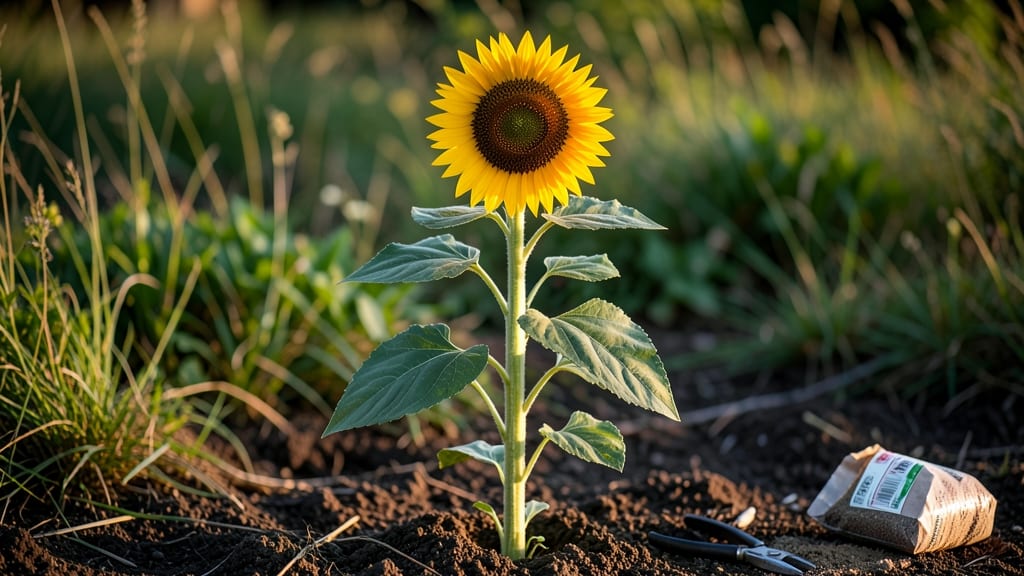
Bird seed grows into a variety of plants depending on the mix, including sunflowers, millet, safflower, and grasses like wheat or oats. Some blends may sprout fast-growing weeds or wildflowers if scattered in soil.
When you scatter bird seed on soil, you're essentially planting a tiny ecosystem. 🌱 The seeds in most commercial blends—like black oil sunflower, white proso millet, and safflower—will sprout into plants that attract birds with their seeds and stems.
Sunflower seeds, for instance, grow into towering plants with edible seeds that birds adore, while millet produces delicate, grass-like stalks perfect for nesting materials. The key to controlling what grows is understanding that not all seeds in the mix behave the same way.
What often catches gardeners off guard is how quickly some seeds germinate. 🌱 A single teaspoon of bird seed can produce dozens of sprouts within days if moisture and sunlight are right.
That's why many gardeners prefer to plant bird seed in designated areas—like containers or designated garden beds—rather than letting it spread randomly. This way, you can enjoy the benefits of bird-friendly plants without accidentally inviting weeds to take over your lawn.
💡 In This Article
- Identifying Common Plants from Bird Seed
- Growing Bird Seed on Purpose: Gardening Tips
Identifying common plants from bird seed
Most commercial bird seed blends contain seeds from plants that birds naturally forage, like sunflowers, millet, and safflower. 🌻 Sunflower seeds (especially black oil varieties) sprout into plants reaching 4-12 feet with broad leaves and distinctive yellow flower heads that eventually produce the seeds birds love.
Millet varieties, such as proso or foxtail millet, grow into slender grasses 2-5 feet tall with feathery seed heads that sway in the breeze—ideal for nesting materials. Safflower seeds develop into 3-5 foot plants with bright yellow-orange blooms that attract pollinators.
The growth habits vary dramatically: sunflowers develop deep taproots that make them drought-tolerant once established, while millet has fibrous roots that spread horizontally, helping prevent erosion. 🌱 Safflower, often overlooked, produces seeds that birds adore but also yields flowers used in traditional medicine.
What many gardeners don't realize is that even "weed" seeds in blends—like red millet or wheat—can become valuable if managed properly, as they provide additional nesting materials and winter forage for birds.
Identifying unwanted sprouts requires understanding their characteristics. Fast-growing weeds like cheatgrass or foxtail millet (often included in blends) can reach 3-4 feet in just 30-45 days and produce thousands of seeds per stalk. Their narrow, spiky seed heads distinguish them from milder millet varieties.
Wildflowers like cosmos or zinnia (sometimes mixed in) may appear as "bonus" plants but can spread aggressively if not controlled—look for their vibrant, daisy-like blooms that emerge 4-6 weeks after planting.
Here's how to distinguish beneficial plants from potential invaders:
- Sunflowers: Large, rough leaves and yellow flower heads that face the sun
- Millet: Delicate, grass-like stems with feathery seed clusters
- Safflower: Bright orange-yellow flowers on sturdy stems
- Weeds: Spiky seed heads or aggressive spreading habits
Color and texture are your best tools—sunflowers have hairy stems and deep green leaves, while weeds often show reddish or purplish stems when stressed.
The key is acting quickly: most bird seed sprouts appear within 5-10 days under ideal conditions (warm soil, consistent moisture), so regular monitoring prevents unwanted spread.
What's fascinating is how these plants adapt to different climates. In cooler regions, sunflowers may take 120-150 days to mature, while in warmer zones, they can flower in just 70-90 days.
This variability explains why some gardeners see rapid growth while others struggle with slow germination—soil temperature and sunlight exposure play huge roles. 🌱