
How To
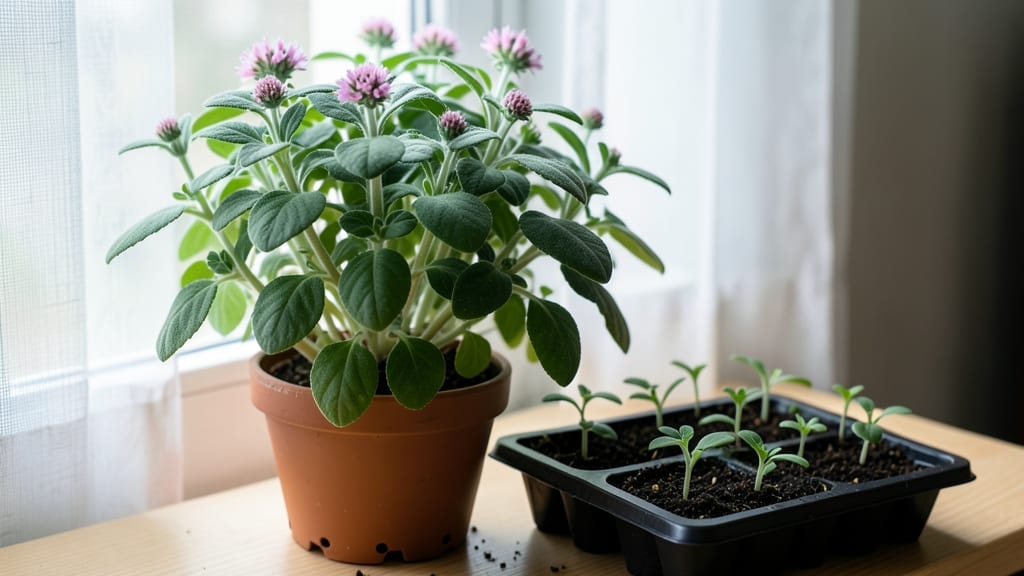
To start oregano seeds indoors, aim for 6-8 weeks before your last frost date—typically mid-January to early February in most zones.
Timing your oregano seeds indoors can mean the difference between fragrant, thriving plants and weak seedlings that struggle to survive transplanting. Get the exact week-by-zone schedule to maximize your harvest potential—before your neighbors even think about starting theirs.
Oregano 🌿 is a resilient herb, but it needs a strong start. Starting too early means leggy seedlings, while waiting too late risks a shorter growing season. The key is balancing warmth, light, and transplant readiness—all while avoiding common mistakes that kill germination.
Below, I’ll break down the ideal indoor starting weeks by USDA zone, how to adjust for early or late harvests, and the simple setup you need for 90%+ germination success. No guesswork, just a clear plan to get your oregano off to the best possible start.
Best indoor starting weeks for oregano seeds by US planting zones
Timing your oregano seeds indoors depends entirely on your USDA planting zone. Starting too early or too late can leave your seedlings weak or force you to rush transplanting before warm weather arrives.
For zone 6a (like much of the Midwest), I’ve found that starting seeds in late February gives them just enough time to harden off before the last frost in mid-May. But zones with milder winters or earlier springs need different schedules.
Oregano thrives in warm soil temperatures (at least 50°F/10°C) and can’t handle frost. That’s why your indoor starting window should align with your zone’s last frost date minus 6-8 weeks—the time seedlings need to grow strong enough for transplanting.
In colder zones, this means starting earlier, while warmer zones can wait until March or even April.
Here’s the key: Zone 3-4 gardeners should start seeds by January 15th to avoid weak seedlings, while Zone 8 gardeners can wait until March 1st. The difference? 10-12 weeks of growing time before the last frost. Let’s break it down by zone so you can set your calendar now.
| USDA Zone | Last Frost Date | Start Seeds Indoors | Transplant Outdoors | Notes |
|---|---|---|---|---|
| Zone 3-4 | May 1-15 | January 15-February 1 | May 15-20 | Use grow lights for extra light; soil must warm to 50°F+. |
| Zone 5 | April 25-May 10 | February 15-March 1 | May 10-15 | South-facing windows work; harden off seedlings gradually. |
| Zone 6a-6b | May 1-15 | February 25-March 15 | May 15-20 | Ideal for late-winter starts; avoid overcrowding trays. |
| Zone 7 | March 15-April 1 | March 1-March 15 | April 15-20 | Can start slightly later; monitor soil temps closely. |
| Zone 8 | February 15-March 1 | March 1-April 1 | March 20-April 5 | Longer growing season; can transplant earlier if no frost risk. |
If you’re in Zone 3-4, starting oregano seeds by January 15th ensures they’ll be robust enough for transplanting by mid-May. The challenge here is providing enough light and warmth indoors during short winter days.
I use a grow light on a timer (14-16 hours/day) to compensate, and I keep seed trays on a heat mat to maintain 70-75°F soil temps for faster germination.
For Zone 5-6 gardeners, the February-March window is perfect because it gives seedlings time to grow 3-4 inches tall before the last frost. This is also when I start hardening off seedlings—moving them outdoors for 2-3 hours daily starting 2 weeks before transplanting.
Skip this step, and your oregano will shock and struggle.
In warmer zones (7-8), you have more flexibility. Starting seeds in March works because the last frost arrives much earlier. Here, the bigger risk is overheating seedlings if you transplant too soon. Wait until soil temps hit 55°F/13°C and nights stay above 40°F/4°C to avoid stunted growth.
One mistake I see often is starting seeds too late in zones with early springs. If you’re in Zone 7-8 and wait until April, your oregano may flower before you can harvest enough leaves. The solution? Start seeds in March and harvest leaves before flowering begins—usually by late June.
Pro tip: Mark your transplanting date on your calendar and count backward 6-8 weeks. This ensures your seedlings are the right size (3-4 inches tall) and strong enough to handle outdoor conditions.
For example, if your last frost is May 10th, start seeds by March 15th.
Finally, remember that oregano is a perennial in warmer zones (7-1
How to adjust your oregano seed starting timeline for early or late harvests
Want to harvest fresh oregano earlier than your neighbors or extend your harvest into fall? Adjusting your seed starting timeline is the key. By tweaking when you begin seeds indoors, you can push your harvest window by 4-6 weeks—or even grow oregano year-round indoors.
The secret lies in understanding light exposure, temperature control, and transplant timing.
For early harvests, start seeds indoors 10-12 weeks before your typical last frost date. This gives seedlings extra time to mature before warm weather arrives. Meanwhile, for late-season harvests, delay starting seeds until 6-8 weeks before your first frost.
This ensures your plants stay productive longer, even as temperatures drop. Let’s break down the exact strategies to make this work.
- Start 10-12 weeks early for spring harvests—ideal for Zone 3-5. Use grow lights to simulate 14-hour days and keep soil temps at 70-75°F.
- Delay starting 6-8 weeks for fall harvests—perfect for Zone 6-8. Transplant seedlings 8 weeks before your first frost to maximize growth before cold sets in.
- Use grow lights if natural light is less than 6 hours/day. Place lights 2-3 inches above seedlings and run them for 12-16 hours/day to prevent leggy growth.
- Hardening off takes 10-14 days—critical for late starts. Gradually expose seedlings to outdoor temps and wind to avoid shock when transplanting.
- Extend harvests indoors by moving potted oregano inside before frost. Place near a south-facing window or under LED grow lights to keep plants thriving year-round.
One common mistake is starting seeds too late for early harvests, leading to stunted seedlings that can’t catch up. If you miss the ideal window, don’t panic—just use grow lights to compensate.
Place them 2-3 inches above seedlings and run them for 14-16 hours/day to mimic summer conditions. This trick works especially well in shady climates or northern zones.
For late-season adjustments, focus on soil warmth and light management. Oregano seeds need 60-70°F soil temps to germinate, so use a seedling heat mat if your home runs cool. Once sprouted, keep seedlings under grow lights until transplanting to avoid etiolation (weak, stretched stems).
Pro tip: If you’re aiming for a year-round indoor harvest, start a new batch of seeds every 8-10 weeks. This staggered approach ensures you always have fresh, aromatic oregano ready for cooking—no waiting for spring!
Remember, oregano is drought-tolerant once established, but seedlings need consistent moisture. Water gently to avoid disturbing the soil, and always use well-draining pots to prevent root rot. With these adjustments, you’ll enjoy homegrown oregano months longer than traditional schedules allow. 🌿