
Propagation
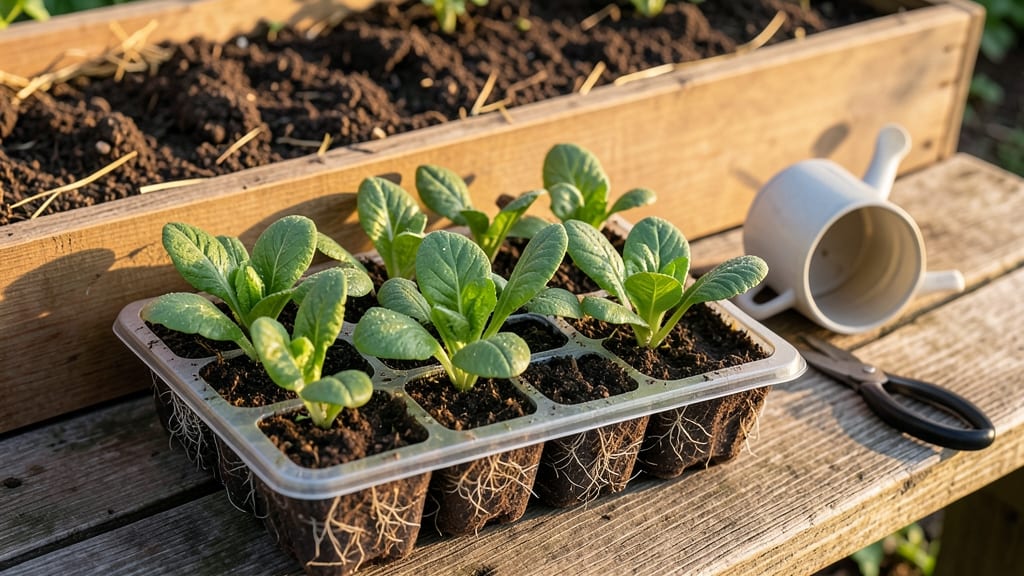
Transplanting seedlings from seed trays at the right time saves you from leggy, struggling plants — and the frustration of watching them wilt after all your hard work.
Most gardeners wait until seedlings are "big enough," but that’s the wrong approach. The real signs of readiness — like sturdy stems, true leaves, and soil warmth — often come weeks before you’d expect. Miss them, and you risk transplant shock, stunted growth, or even death.
In Zone 6a, where spring temperatures swing wildly, timing matters even more. Transplant too early, and a late frost will fry your seedlings; too late, and they’ll outgrow their trays, becoming root-bound and stressed. The key is knowing when your plants are physically ready and when the weather cooperates.
Below, I break down the exact hardiness zone checklist for transplanting, including how to spot true readiness, adjust for your region, and avoid the most common mistakes that derail even the most careful gardeners.


The exact hardiness Zone timeline for transplanting seedlings by plant type
Transplanting seedlings at the wrong time can shock plants into stunted growth or even death. The key lies in understanding your USDA hardiness zone and matching it with the last frost date for your region.
Warm-season crops like tomatoes need warm soil, while cool-season crops like lettuce tolerate frost. Let’s break down the exact windows for each plant type by zone.
For cool-season crops (e.g., broccoli, spinach, kale), transplant 4-6 weeks before your last frost date. These plants thrive in cooler temperatures and can even handle light frosts. In Zone 5, that means transplanting in early April, while in Zone 10, you can start as early as February.
Always check your local frost dates to avoid surprises.
Warm-season crops (e.g., peppers, cucumbers, basil) demand soil temperatures above 60°F (15°C) and should only go outside after your last frost date. In Zone 3, wait until mid-May, while Zone 7 gardeners can transplant in early April. Use a soil thermometer to confirm—cool soil stunts growth.
Transplanting at the right time isn’t just about dates—it’s also about seedling readiness. Look for 2-4 true leaves (not cotyledons) and a sturdy stem. If seedlings are leggy or pale, they’re not ready yet. Harden them off by gradually exposing them to outdoor conditions for 7-10 days before transplanting.
One common mistake is transplanting warm-season crops too early. If your Zone 5 garden gets a late frost after you’ve transplanted peppers, they’ll suffer. Use frost cloth as a backup for early transplants. For cool-season crops, delay transplant
5 Key signs your seedlings are Ready to Transplant (Not Just ‘Big Enough’)
Most gardeners focus on seedling size when deciding to transplant, but physical maturity and environmental readiness matter just as much. A 4-inch-tall seedling might still be too fragile, while a smaller, robust one could thrive outdoors.
True readiness requires checking multiple factors—leaf color, stem strength, and even nighttime temperatures. Ignoring these cues often leads to transplant shock or stunted growth.
For example, basil seedlings with 6 true leaves and deep green foliage are typically ready, but lettuce can transplant with just 3-4 leaves if hardened off properly. The key is balancing plant-specific traits with weather conditions.
Skipping this step means risking weak roots or sunburn from sudden exposure. Let’s break down the 5 non-negotiable signs your seedlings are truly ready—and how to spot false indicators that’ll derail your garden.
Transplant Readiness Checklist
- 2-4 true leaves (not just cotyledons)
- Deep green, sturdy stems (not leggy or pale)
- Roots filling seed tray (or circling at bottom)
- Soil temp ≥50°F (10°C) for warm-season crops
- Hardened off (7-10 days of outdoor acclimation)
- Only cotyledons (first leaves only)
- Leggy, weak stems (overcrowded or etiolated)
- Small, sparse roots (still tangled in soil)
- Frost forecasted (even if seedlings look big)
- No hardening off (sudden outdoor shock)
Pro Tip: Use a soil thermometer—warm-season crops like peppers need 60°F+ soil, while cool-season plants tolerate 40°F+.
First, examine the leaf color and stem thickness. Healthy seedlings should have vibrant green leaves with no yellowing or browning.
If your tomato seedlings look pale or have purple stems, they’re nitrogen-deficient or etiolated from poor light. Leggy seedlings (tall and thin) are a red flag—they’ve stretched toward light and lack structural strength.
Gently pinch the stem: if it snaps easily, it’s not ready. Root-bound seedlings (roots circling the tray) are another clue, but only if paired with other readiness signs.
Next, check the roots. Gently remove the seedling from its tray and inspect the roots. If they’re dense and white, filling the root ball, your seedling is ready.
But if roots are sparse or brown, it’s not. Overcrowded seedlings with roots matted together may need pruning before transplanting to avoid transplant shock. Pro tip: Bottom-water seedlings 24 hours before transplanting to hydrate roots without disturbing them further.
Environmental cues are just as critical. Nighttime temperatures play a huge role—most warm-season crops (like peppers or eggplants) need consistent 55°F+ nights. Use a frost calendar for your USDA hardiness zone to avoid transplanting too early.
For example, in Zone 5, wait until after May 15 for tomatoes, even if seedlings look big. Cool-season crops (like kale or carrots) can handle cooler temps, but frost warnings are still a dealbreaker.
Finally, verify hardening off progress. Seedlings need 7-10 days of gradual outdoor exposure to adjust to wind, sun, and temperature fluctuations. Start with 1-2 hours in partial shade, then increase daily.
If seedlings wilt dramatically or develop sunburn (white/yellow patches), they’re not ready. Morning transplanting is ideal—it gives roots time to establish before evening heat stress.
Remember, transplanting too early stresses seedlings, while delaying too long risks overcrowding in seed trays. The sweet spot is when seedlings meet 3+ readiness signs and the weather cooperates. With these cues, you’ll avoid the heartbreak of transplant shock and give your garden its best start. Happy planting! 🌱