
Container Gardens
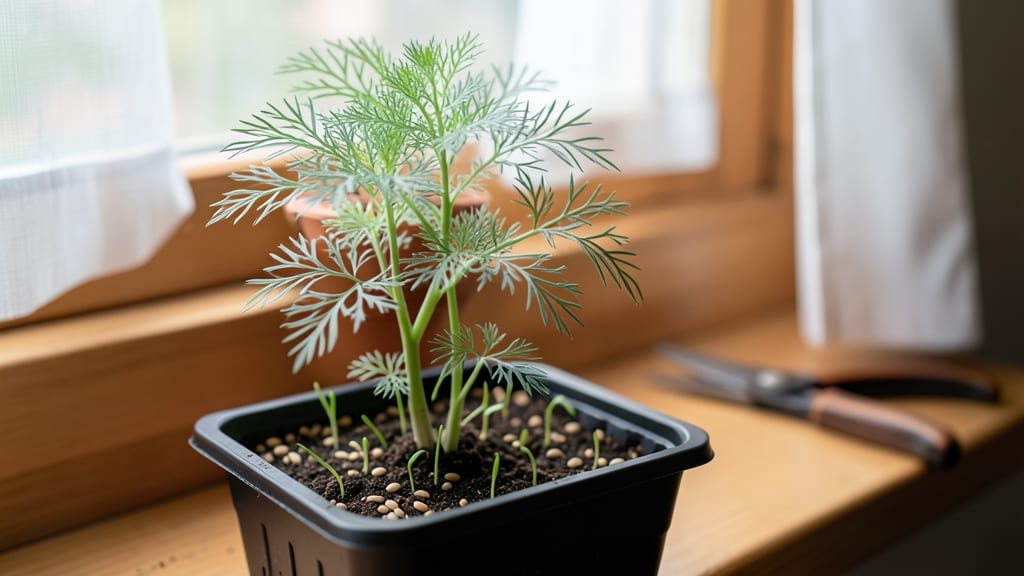
Start fennel seeds indoors 8 to 10 weeks before your last frost date to give them the strong, healthy start they need for transplanting.
Timing your fennel seeds indoors wrong can mean weak seedlings or stunted growth—miss the optimal window, and you risk bolting before harvest. But with the right zone-specific schedule, you’ll grow bold, flavorful fennel plants that thrive from seed to table.
Fennel isn’t frost-sensitive, but starting seeds too early indoors can lead to leggy, weak seedlings that struggle when moved outside. Too late, and you’ll end up with small bulbs or bolted plants before you can harvest.
Below, I’ll break down the exact weeks to start fennel seeds indoors based on your USDA zone, plus tips for adjusting timing if you want early or late harvests. You’ll also learn how to avoid common mistakes that ruin seedlings before they even make it to the garden.
USDA zone-specific weeks to start fennel seeds indoors for best growth
Fennel thrives when started indoors at the right time—too early, and your seedlings will bolt; too late, and they’ll struggle to mature before frost. Since fennel is biennial and sensitive to day length, timing matters more than with many herbs.
In USDA Zones 3-9, the optimal window varies by last frost date and regional climate.
I’ve grown fennel in Zones 5b and 7a, and the difference between a 10-week head start and an 8-week start is dramatic—stronger bulbs, fewer leggy seedlings, and no premature flowering. Below is your zone-specific schedule, calculated to ensure transplant-ready seedlings just as outdoor conditions stabilize.
Key factors to consider: seedling age (8–10 weeks indoors), last frost date (check your local USDA zone map), and outdoor soil temps (wait until nighttime temps stay above 50°F). Fennel hates cold soil, so don’t rush the transplant—patience prevents bolting.
For Zones 3-4, where winters linger, I recommend starting fennel seeds March 1-15 under grow lights to compensate for short daylight. Without supplemental light, seedlings stretch toward weak windows, making them prone to bolting—a gardener’s nightmare for bulb fennel.
In Zones 5-6, my go-to is February 15-March 1, aligning with the 8-10 week rule. For example, if your last frost is April 15, count backward: March 1 is your deadline for sowing.
Pro tip: Use seedling heat mats to speed germination—fennel seeds germinate best at 70-75°F.
Zones 7-8 offer flexibility. I’ve had success with January 15 starts for early harvests or February 15 for a late-summer crop. Since these zones have longer frost-free periods, you can also direct-sow in late spring if you’re patient. Just monitor soil temps—fennel roots need 55°F+ to thrive.
In Zones 9-10, where frost is rare, you can push boundaries. Start seeds as early as November 1 for a winter harvest or December 15 for spring.
However, avoid sowing in peak summer—fennel bolts when days exceed 14 hours of light. Use shade cloth if growing through summer.
Regardless of your zone, harden off seedlings for 7-10 days before transplanting. Acclimate them to outdoor conditions gradually: start with 2 hours of shade, then increase exposure. Skip this step, and you’ll risk transplant shock, which stunts bulb development.
One final tip: Fennel hates competition. Space transplants 12-18 inches apart in well-draining soil with a pH of 6.0-7.0. Amend heavy clay with compost to prevent woody bulbs—a common issue when soil is too dense.
With this zone-specific schedule, you’ll avoid the 3 biggest fennel-growing mistakes: bolting, leggy seedlings, and poor bulb formation. Follow it, and you’ll harvest plump, flavorful fennel bulbs ready for roasting, salads, or fermenting—no weak, bitter stalks here! 🌱
How to adjust your fennel seed starting time for early vs. late harvests
Fennel thrives on precise timing—start too early, and you’ll battle leggy seedlings; too late, and you risk bolting before harvest. The key lies in staggered sowing and zone-specific adjustments to match your local daylight patterns and frost dates.
For example, gardeners in Zone 5 might start their first batch in early March for a June harvest, while those in Zone 9 can extend their season with late August sowings for fall bulbs.
Your goal is to align fennel’s 120-day growth cycle with your desired harvest window. Early harvests (spring) require starting seeds indoors 8-10 weeks before last frost, while late harvests (fall) may need a second sowing 6-8 weeks before first frost.
This flexibility lets you enjoy fresh fennel from May through October—or even year-round with container growing in warm climates.
Adjusting for daylight is critical. Fennel is sensitive to long daylight hours, which trigger bolting. In northern zones (like Zone 3-4), use grow lights to extend daylight to 14-16 hours if starting early.
Conversely, in southern zones (like Zone 8-10), delay sowing until after the longest days of summer to avoid premature flowering.
- 📅 Early Harvest (Spring): Start seeds indoors 8-10 weeks before last frost (e.g., March 1 in Zone 5 for a May harvest).
- ⏳ Mid-Season Adjustment: For continuous harvests, sow 2-3 staggered batches every 2-3 weeks after the first planting.
- 🌡️ Late Harvest (Fall): Plant outdoors 6-8 weeks before first frost (e.g., August 15 in Zone 7 for a September-October harvest).
- ⚠️ Troubleshooting Delays: If seeds germinate slowly (common in cool soils), use a seedling heat mat to maintain 70-75°F soil temps.
- 🌿 Transplant Ready: Harden off seedlings for 7-10 days before moving outdoors; fennel hates root disturbance.
Weather disruptions can throw off your timing. If a late spring frost threatens, delay transplanting until soil warms to 55°F+—fennel’s roots are sensitive to cold. Conversely, if summer heat arrives early, provide afternoon shade to prevent bolting.
For container growers, move pots to partial shade during peak heat (100°F+), then return them to full sun as temperatures drop.
Seed viability also plays a role. Test old seeds by soaking them in warm water for 24 hours—if fewer than 80% float, they’ve lost vigor. Fresh seeds (from the current year) germinate best, so prioritize them for early sowings.
For late harvests, use direct sowing outdoors instead of starting indoors to avoid overcrowding in containers.
Pro tip: Mark your calendar with 3 key dates—your first frost date, last frost date, and the 120-day countdown from your target harvest. This visual reminder ensures you never miss the window. With these adjustments, you’ll enjoy fennel’s bold, licorice-like flavor for months, not just weeks.