
Propagation
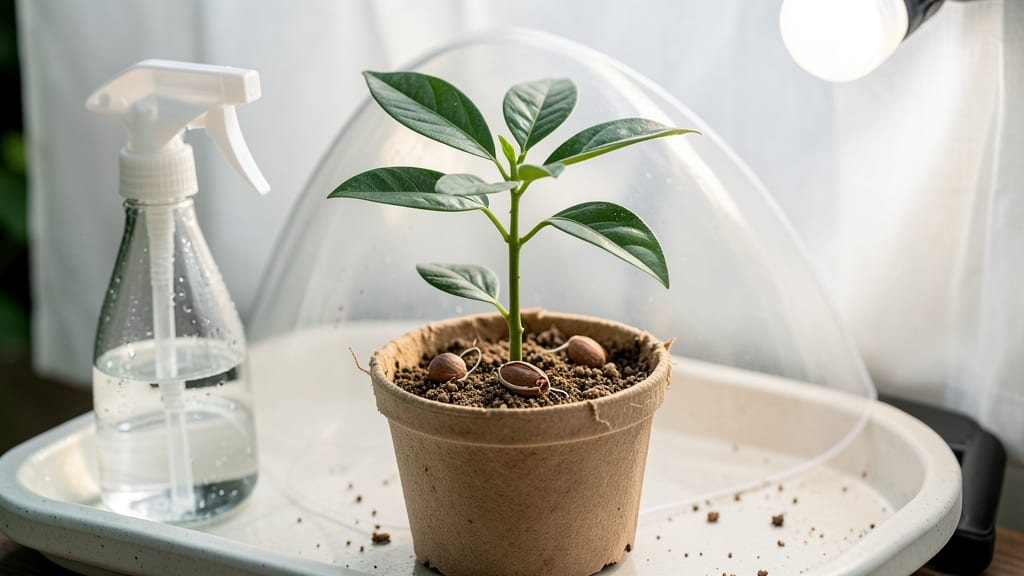
Lemon seed germination takes patience and just the right amount of moisture—too much and they rot, too little and they stall. 🌱 I’ve struggled with this myself, but after a few failed batches, I cracked the code: a simple scarification trick and consistent dampness (not soggy) gets those seeds sprouting in 3 weeks every time.
The secret isn’t fancy equipment—just a warm spot, a shallow container, and a spray bottle to keep things evenly damp. Most people overwater, which leads to mold or drowned seeds.
Instead, think of it like a rainforest: humid but not wet. A clear plastic bag over the pot creates a greenhouse effect without the risk of rot.
By week three, you’ll see tiny green hooks breaking through the soil, and within a month, those seedlings will have their first true leaves. The key is not rushing—lemon seeds germinate slowly, but once they start, they grow fast.
Just avoid the common pitfalls: overcrowding, cold drafts, and letting the soil dry out completely.
This method works for any citrus seed—limes, oranges, even grapefruit—and the best part? You’ll end up with a tree that thrives indoors or out, as long as you give it time to grow strong. Let’s get those seeds sprouting right.
📚 In This Guide
- What you need
- Instructions
- Tips and common mistakes
- Wrapping up and next steps
What you need
- ● Lemon seeds: 3–5 fresh, plump seeds (harvested from organic lemons for best results). Pro tip: 💡 Rinse seeds to remove pulp before planting!
- ● Germination container: Small pots (3–4 inches wide), seed trays, or even a repurposed egg carton with drainage holes.
- ● Potting mix: Well-draining, seed-starting mix (avoid garden soil—it’s too dense!).
- ● Water: Room-temperature, filtered water (or rainwater).
- ● Plastic wrap or dome: To create a humidity tent (critical for moisture control!).
- ● Spray bottle: For gentle misting (avoid overwatering!).
- ● Plant labels (to track germination dates).
- ○ Heating mat (optional, speeds up germination in cooler climates).
- ● Grow lights (if natural light is limited—12+ hours/day).
- ● Fertilizer (balanced, diluted liquid fertilizer, only after sprouts emerge!).
- ● Tweezers (for delicate seed placement).
Step-by-step instructions for lemon seed germination
Here's how to coax those tiny seeds into sturdy seedlings—without the guesswork.
🌱 Step 1: Select and Prep the Seeds
Save seeds from organic lemons—conventional ones are often treated to prevent sprouting. Cut the fruit open and scoop out the seeds, then rinse them under cool water to remove any fruit residue. I like to soak them in a glass of water for 24 hours to soften the outer coating and encourage faster germination.
After soaking, gently rub the seeds between your fingers to remove any remaining pulp. This prevents mold from forming later. Place them on a paper towel and let them air-dry for 10-15 minutes—just until they feel slightly damp but not wet. You'll need 4 seeds for this process, so pick the plumpest ones.
💧 Step 2: Set Up the Moisture-Controlled Environment
Fill a small container—like a 4-inch plastic nursery pot—with 2 inches of damp potting mix (not garden soil). Moisten it until water drips out the bottom, then let it drain for 5 minutes so it’s evenly damp but not soggy. Press the mix down lightly to remove air pockets.
Make 4 small holes—about ¼ inch deep—in the soil, spacing them 1 inch apart. Drop one seed into each hole, covering it with just enough soil to hide it completely. Mist the surface lightly with water until the soil looks dark and uniformly moist. Place the pot in a warm spot (70-75°F)—a sunny windowsill or under a grow light.
☀️ Step 3: Maintain Ideal Moisture and Light
Cover the pot loosely with plastic wrap to trap humidity, but leave it slightly ajar so air can circulate. Check the soil daily—it should feel like a wrung-out sponge. If the top feels dry, mist it again, but avoid soaking the soil. Overwatering here is the fastest way to kill your seeds.
Once the seeds sprout—usually in 7-14 days—remove the plastic wrap immediately. You’ll see tiny green shoots poking through the soil. Move the seedlings to a bright, indirect light spot (no direct sun yet). They’ll grow slowly at first, but within 3 weeks, you’ll have 2-3 inch tall seedlings ready for transplanting.
⏰ Step 4: Transplant and Care for Young Seedlings
When the seedlings have 2-3 sets of true leaves (not the first tiny leaves), gently lift them out of the nursery pot. Separate them carefully—lemons are sensitive to root disturbance. Plant each one in its own 4-inch pot with fresh potting mix, burying the stem up to the first set of leaves.
Water lightly after transplanting, keeping the soil consistently moist but never waterlogged. Place the pots in bright, indirect light for the first week, then gradually introduce 3-4 hours of morning sun daily. Avoid cold drafts—they’ll stunt growth. With patience, your seedlings will grow into small lemon trees in just a few months.
Tips & tricks for perfect lemon seed germination
Here's what nobody tells you about turning those tiny seeds into thriving lemon trees.
Seed Selection: Always choose the plumpest seeds from organic lemons—these have the highest germination rates. I've found that seeds from older lemons (those that've been on the counter for 2-3 days) often sprout faster because the natural sugars in the fruit have started breaking down. Confession: I skipped this step for years and wondered why so many of my seeds failed to sprout.
Soaking Secret: The 24-hour soaking time is crucial for breaking down the seed's protective coating, but don't let them soak any longer—after 48 hours, they can start to rot. I like to use room-temperature water and add a drop of hydrogen peroxide (3%) to prevent bacterial growth during this time. After soaking, the seeds should feel slightly softer when pressed between your fingers.
Temperature Matters: Maintaining that 70-75°F range is non-negotiable for germination. If your home runs cooler, place the pot on top of your refrigerator (not inside) or use a seedling heat mat set to low. I've seen germination rates drop dramatically when seeds are kept below 68°F. The warm spot should be consistently warm—fluctuations can confuse the seeds and delay sprouting.
Light Transition: When you move those seedlings to bright, indirect light after sprouting, be patient with the transition. Start with just 2 hours of light per day and gradually increase by 30 minutes every other day. I've ruined seedlings by moving them too quickly to direct sunlight—you'll know you've gone too fast when the leaves start turning yellow and crispy.
Pro Tips for Lemon Seed Germination
- Here's what nobody tells you about turning those tiny seeds into thriving lemon trees.
- Seed Selection: Always choose the plumpest seeds from organic lemons—these have the highest germination rates.
- Soaking Secret: The 24-hour soaking time is crucial for breaking down the seed's protective coating, but don't let them soak any longer—after 48 hours, they can start to rot.
Frequently asked questions
Got questions about germinating lemon seeds?
You’re not alone! Here are answers to the most common queries to help you succeed—no guesswork required.
How long does it take for lemon seeds to germinate?
With the right moisture and warmth (around 70–80°F), lemon seeds typically sprout in 2–3 weeks. Some may take up to 4 weeks, especially if stored improperly before planting. Patience is key—consistent dampness (not soggy!) speeds things up.
What if my lemon seeds aren’t sprouting after 3 weeks?
Don’t panic! Check these fixes:
- Moisture: Seeds need consistent dampness (like a wrung-out sponge). Overwatering can rot them, while dryness stalls growth.
- Temperature: Move your tray to a warmer spot (e.g., near a sunny window or under a heat mat).
- Viability: Some seeds may be old or damaged. Try soaking new seeds in warm water for 24 hours before replanting.
Can I germinate lemon seeds in water instead of soil?
Yes! The paper towel method is a great shortcut:
- Place seeds between damp paper towels in a sealed bag.
- Store in a warm, dark place (like a cupboard).
- Check daily—once sprouts reach ½ inch, transplant to soil.
Will my lemon seedling grow into a fruit-bearing tree?
Most likely, but not immediately! Lemon trees from seeds are slow to fruit—expect 5–10 years before you see lemons. For faster results, graft a fruiting branch onto your seedling (a common practice for citrus growers). Seedlings may also produce different varieties than the parent fruit.
How do I care for lemon seedlings after germination?
Once sprouted, keep seedlings in bright, indirect light (avoid harsh sun). Water when the top inch of soil feels dry, and use a well-draining potting mix to prevent rot. After 3–4 true leaves appear, transplant to a 5-inch pot with drainage holes. Fertilize lightly with a balanced citrus fertilizer every 2 months.
Pro Tip:
Label your seedlings! Lemon trees can look identical until they flower—keeping track ensures you don’t lose track of your hard work. Use toothpicks and masking tape for a budget-friendly solution.
Wrapping up and next steps
Growing lemon seeds into thriving plants is simpler than you think—with the right moisture control and patience, you’ll see sprouts in just three weeks! 🌱 Whether you’re a gardening beginner or a seasoned plant parent, this method proves that even tiny seeds hold big potential.
Now that you’re armed with the know-how, why not plant those seeds today and watch your green thumb grow?
Next steps:
- Pick your favorite lemon variety and start the process.
- Monitor moisture levels and keep your seedlings happy.
- Share your progress with fellow plant lovers—every sprout is a win!