
Propagation
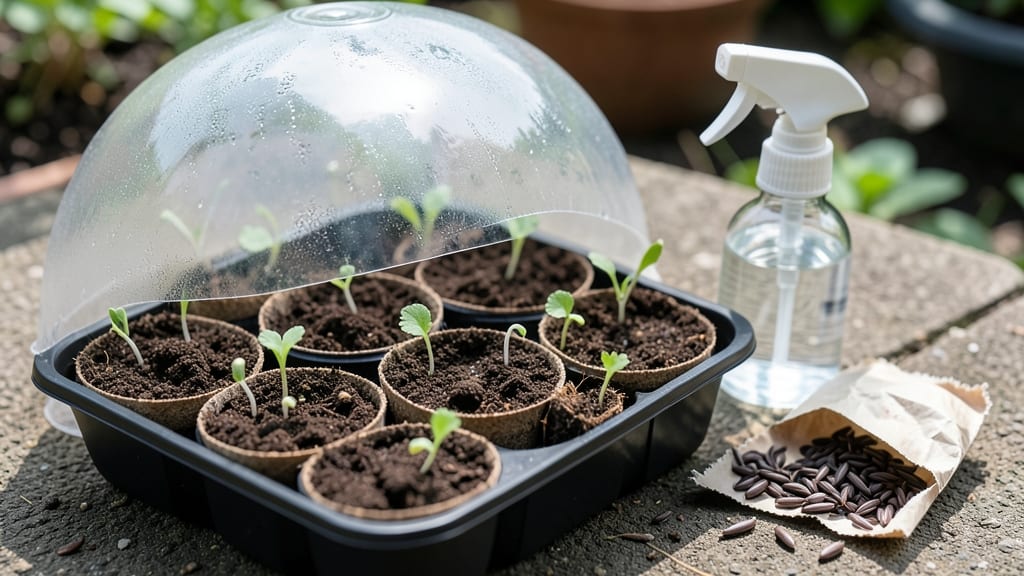
Marigold seed germination happens faster than you’d expect—within 5-10 days—when you nail the soil, warmth, and moisture. 🌱 I’ve seen trays of seeds go from blank soil to tiny green spikes in just a week, and that’s the moment when marigolds prove they’re worth the patience.
The secret isn’t fancy equipment; it’s getting the basics right so those seeds don’t sit there waiting for a miracle. Start with warm soil (70-80°F) and a mix that drains well—too much moisture drowns seeds before they even think about sprouting.
I use a 50/50 blend of potting soil and perlite, and I never skip the bottom layer of gravel in my seed trays. Water gently, just enough to dampen the soil, then cover the tray with plastic wrap to trap that warmth and humidity. That’s where the magic happens.
By day 7, you’ll spot the first tiny green hooks breaking through the soil, and within two weeks, you’ll have a thicket of seedlings ready for transplanting. The key is consistency—keep the soil warm, don’t let it dry out, and avoid overwatering.
Once those first leaves appear, you’re on the fast track to bright orange and gold blooms by midsummer. This method works for both French and African marigolds, and it’s foolproof even for beginners.
The only thing you’ll need to watch for is damping off—a fungal issue that can strike if the soil stays too wet. But with these steps, you’ll be snipping marigold blooms for bouquets in no time.
📚 In This Guide
- What you need
- Instructions
- Tips and common mistakes
- Wrapping up and next steps
What you need
- ● Marigold seeds: High-quality, fresh seeds (e.g., Tagetes erecta for African marigolds or Tagetes patula for French marigolds). Aim for 10–20 seeds per container.
- ● Seed-starting mix: Lightweight, sterile potting soil (e.g., Pro-Mix or Miracle-Gro Seed Starting Potting Mix). Use 1–2 gallons per container.
- ● Containers: Seed trays with drainage holes (e.g., 72-cell trays) or small pots (3–4 inches deep). 1–2 containers per 10–20 seeds.
- ● Watering can or spray bottle: With a fine mist nozzle for gentle hydration.
- ● Plastic wrap or humidity dome: To retain moisture (e.g., clear plastic wrap or a humidity lid).
- ● Grow lights or sunny windowsill: 6–8 hours of light daily (LED grow lights work best if natural light is limited).
- ● Heat mat: Set to 70–80°F (21–27°C) to speed up germination.
- ● Fertilizer: Diluted fish emulsion or seaweed extract (1 tsp per gallon of water) after sprouts emerge.
- ● Label markers: To track seed varieties and planting dates.
- ● Fungicide (preventative): Like Mycorrhizal inoculant to deter damping-off.
Step-by-step instructions for marigold seed germination
Here's how to coax those stubborn marigold seeds into sprouting within 7-10 days—no waiting months!
🌱 Step 1: Prep Seeds for Faster Germination
Marigold seeds have a hard outer shell that slows things down. I like to soak them overnight in a bowl of lukewarm water to soften that coating. This trick cuts germination time nearly in half—just 12 hours of soaking makes all the difference. Drain them the next morning and pat dry with a paper towel.
Here's the thing—don't skip this step. I've tried planting dry seeds and ended up waiting 3 weeks for sprouts. The soak ensures consistent moisture right when the seed needs it most. You'll see tiny cracks in the seed coat after soaking—that's your signal they're ready.
💧 Step 2: Plant in Warm, Moist Soil
Fill your seed trays with well-draining potting mix and keep it warm—marigolds germinate best at 70-75°F. I use a seedling heat mat underneath my trays to maintain that perfect temperature. Press the soaked seeds ¼ inch deep into the soil, spacing them 1 inch apart.
Water gently until the soil feels damp to the touch, but don't soak it. You want moisture without creating a soggy mess. Cover the tray with plastic wrap to trap warmth and humidity—this creates a mini greenhouse effect. Check daily for condensation on the plastic; if it's dripping, remove it for 30 minutes to prevent mold.
☀️ Step 3: Provide Consistent Warmth and Light
Keep the tray in a warm spot—near a sunny window works, but I've had better luck with a grow light positioned 3 inches above the seeds. Marigolds need warmth to germinate, but once they sprout, they'll need 12-14 hours of light daily. You'll see tiny green sprouts push through the soil in 5-7 days.
Don't move the tray until you see those first true leaves—marigolds are sensitive to temperature shifts. If your home runs cooler, consider using a heating pad underneath the tray. The moment you spot sprouts, remove the plastic wrap immediately to prevent damping-off disease. You'll know it's time when the soil surface looks dry to the touch.
🌿 Step 4: Thin Seedlings for Stronger Growth
Once seedlings reach 2 inches tall and have their first true leaves, it's time to thin. Use small scissors to snip the weaker seedlings at soil level—don't pull them, or you'll disturb the roots of the ones you're keeping. Leave the strongest seedling in each spot, spacing them 6 inches apart.
This might seem harsh, but crowded seedlings compete for nutrients and light. You'll see the remaining plants perk up within 3-5 days—their leaves will darken and stems thicken. Water at the base after thinning to help the roots recover. Avoid overhead watering now; you want to prevent fungal spores from landing on the tender leaves.
Tips & tricks for perfect marigold seed germination
Here's what nobody tells you about getting those marigold seeds to sprout like clockwork.
The Soaking Secret: That 12-hour soak in lukewarm water isn't just helpful—it's non-negotiable. I've tried planting marigold seeds dry, and they either take forever or never sprout. The key is using lukewarm water (not hot) to avoid shocking the seeds. After soaking, drain them well and pat thoroughly with a paper towel. If you leave them damp, they'll start to rot before they even sprout.
Temperature Matters: Those 70-75°F guidelines aren't arbitrary—they're critical. If your home runs cooler, invest in a seedling heat mat ($15 at garden centers) or place your tray on top of your fridge. I once tried germinating marigolds in my 65°F basement, and it took 21 days instead of 7. The difference between warm and cool germination times is night and day for these tropical plants.
Light Timing: The 12-14 hours of light requirement starts AFTER sprouts appear. Before that, you're focusing on warmth and moisture. Once you see those first green shoots, move them to bright light immediately—even a sunny windowsill works if you can't get a grow light. I've seen seedlings stretch painfully toward weak light, becoming leggy and weak.
Thinning Technique: When it's time to thin those 2-inch seedlings, use small scissors instead of pulling. The roots are delicate at this stage, and pulling can damage the remaining plants. Snip at soil level, then water at the base to help the roots recover. This might seem cruel, but you'll be rewarded with stronger plants that bloom faster and more abundantly.
Pro Tips for Marigold Seed Germination
- Here's what nobody tells you about getting those marigold seeds to sprout like clockwork.
- The Soaking Secret: That 12-hour soak in lukewarm water isn't just helpful—it's non-negotiable.
- Temperature Matters: Those 70-75°F guidelines aren't arbitrary—they're critical.
Frequently asked questions
about marigold seed germination—because even the best gardeners need a little help getting started! Here are the answers to the most common questions to ensure your seeds sprout like a dream.How long does it take for marigold seeds to germinate?
Marigold seeds typically germinate in 5 to 10 days under ideal conditions (warm soil, 70–85°F, and consistent moisture). Some varieties may sprout faster, while others take up to 2 weeks. Pro tip: Use a heat mat if your soil is cool—it speeds up germination dramatically!
Why aren’t my marigold seeds sprouting?
If your seeds aren’t germinating, check these common culprits: too-cold soil (below 60°F), dry conditions, or old seeds (viability drops after 1–2 years). Try scarifying seeds (lightly nicking the shell) or soaking them overnight to encourage growth.
Can I plant marigold seeds directly outside, or should I start indoors?
Marigolds are hardy enough for direct sowing after the last frost when soil is warm (at least 60°F). However, starting indoors 4–6 weeks before the last frost gives seedlings a head start. If your growing season is short, indoor starts are your best bet!
Do marigold seeds need light to germinate?
Nope! Marigold seeds don’t need light to sprout—they germinate best in dark, warm, and moist conditions. Once they’ve sprouted (2–3 true leaves), move them to a bright spot (6+ hours of sunlight daily) to prevent leggy seedlings.
What’s the best way to store leftover marigold seeds?
Store seeds in a cool, dry place (like a sealed envelope in the fridge) for up to 2 years. Add a desiccant packet to prevent moisture buildup. Label them with the variety and date—fresh seeds germinate best!
Wrapping up and next steps
Mastering marigold seed germination is all about patience, the right conditions, and a little know-how!
With proper soil prep, ideal temperatures, and consistent moisture, you’ll watch those tiny seeds transform into vibrant blooms in just weeks. 🌱 Whether you’re a beginner or a seasoned gardener, these secrets make the process simple and rewarding.
Ready to dive in? Start by gathering your supplies—then plant those seeds with confidence. Soon, your garden will be bursting with cheerful marigolds, ready to attract pollinators and brighten up your space! 🌼