
Plants
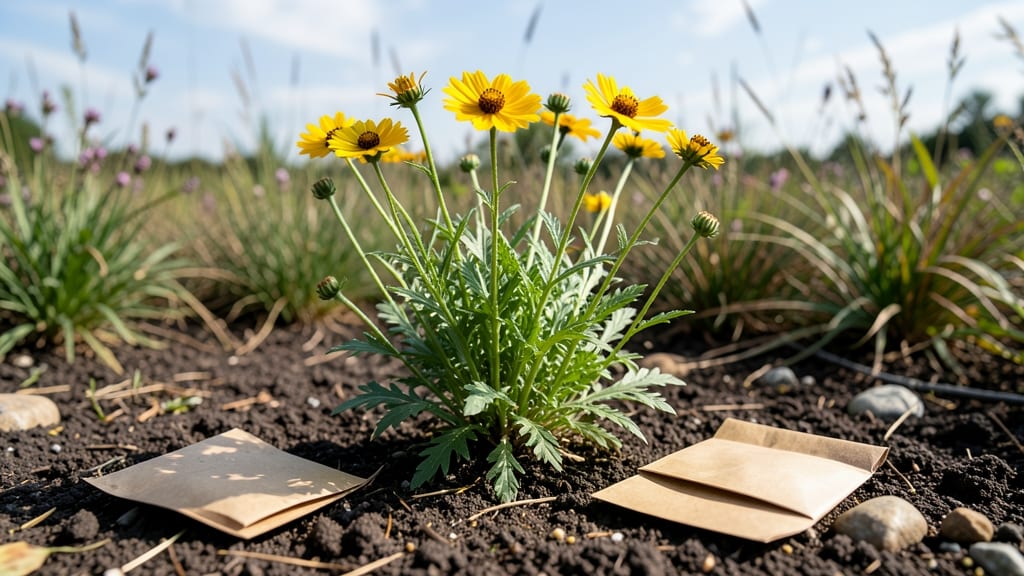
To plant wildflower seeds in Virginia, aim for fall (September–November) or early spring (March–April) when soil temps hover between 60–70°F—the sweet spot for germination.
Virginia’s diverse climate—from the humid Piedmont to the coastal plains—means wildflower planting timing can make or break your meadow’s success. Plant too early, and frost will kill tender seedlings; too late, and summer heat may stunt growth.
Here’s the exact schedule to maximize blooms year after year, including zone-specific tips for 6a–8a regions, soil prep tricks, and how to avoid common mistakes that waste seeds.
You’ll learn which wildflowers thrive in fall vs. spring, how to prep your soil for best germination, and when to expect those first 🌼 blooms in late spring.
Virginia wildflower planting calendar by hardiness zones (5a-8a)
Virginia’s wildflower planting success hinges on understanding your USDA hardiness zone and regional microclimates. From the cooler Shenandoah Valley (Zone 5a-6a) to the warmer Tidewater (Zone 7a-8a), timing varies dramatically.
Fall planting in Zone 5a might mean sowing by mid-September, while Zone 8a gardeners can extend planting until late November. Let’s break down the exact windows for your area to ensure optimal germination and vibrant blooms.
Native species like black-eyed Susans and coneflowers thrive when planted at the right soil temperature. For most Virginia zones, ideal soil temps range between 60°F-75°F.
In Zone 6a, this typically aligns with late March to early April for spring planting, while fall planting should occur between September and October. Coastal areas in Zone 7a-8a enjoy a longer growing season, allowing for extended fall planting until mid-November.
Regional microclimates play a crucial role in your planting schedule. The Shenandoah Valley’s cooler nights may require earlier fall planting compared to the warmer Tidewater region. Always check your last frost date—typically mid-April in most of Virginia—and plan to sow seeds 4-6 weeks before to avoid frost damage to young seedlings.
For spring planting, aim to sow seeds 4-6 weeks before your last frost date. In Zone 5a, this means late March, while Zone 8a gardeners can start as early as February.
Spring-planted wildflowers benefit from consistent moisture as they establish roots before summer heat arrives. Annuals like cosmos and perennials like bee balm both thrive when planted in spring, provided they get adequate sunlight.
Fall planting offers cooler soil temps and reduced weed competition, making it ideal for perennial wildflowers. In Zone 6a, sow seeds between September and October to allow roots to establish before winter. Native species like goldenrod and aster perform exceptionally well when
How to choose between spring vs. fall planting for Virginia wildflowers
Deciding between spring and fall planting for Virginia wildflowers depends on your local microclimate and the specific species you’re growing. Both seasons offer unique advantages, but each comes with trade-offs that can impact germination rates and long-term success.
Let’s break down the key factors to help you make the best choice for your meadow or garden bed.
The humid subtropical climate of Virginia’s coastal plains favors fall planting, while the moderate inland regions like the Piedmont often see better results with spring sowing. Your decision should also consider soil moisture levels, weed competition, and how quickly the seeds need to establish before summer heat arrives.
For example, annual wildflowers like cosmos often thrive when planted in spring, while perennial species such as black-eyed Susans benefit from fall’s cooler temperatures.
Spring vs. Fall Planting for Virginia Wildflowers
Spring Planting
- Pros: Longer growing season for quick blooms, easier weed control early on, ideal for annuals and tender perennials.
- Cons: Higher weed competition, risk of drought stress in summer, requires more frequent watering.
Fall Planting
- Pros: Cooler soil temps reduce seedling stress, fewer weeds, better moisture retention from autumn rains, ideal for perennials and deep-rooted species.
- Cons: Frost risk in Zone 5a-6a, slower establishment before winter, requires precise timing to avoid early freezes.
For spring planting, aim for March through early April in Virginia’s Zone 7a-8a regions. This timing gives seeds time to germinate before summer’s intense heat arrives. Coreopsis and black-eyed Susans planted in spring often bloom earlier and establish stronger root systems.
However, be prepared for increased weed pressure—spring weeds like chickweed and crabgrass can outcompete wildflower seedlings if not managed early.
Fall planting, on the other hand, should occur between late September and early November, allowing seeds to germinate in cooler temperatures and develop roots before winter dormancy. Goldenrod and aster species thrive with this approach, as they benefit from the moisture-rich autumn soil and reduced weed competition.
In Zone 5a-6a (e.g., Shenandoah Valley), plant no later than October 15th to avoid frost damage to young seedlings.
Consider your watering capacity when choosing a season. Spring plantings demand consistent moisture during dry spells, while fall plantings rely on natural rainfall and cooler air temperatures to reduce evaporation.
If you’re in a drought-prone area like the coastal plains, fall planting may be the safer bet for reducing irrigation needs.
Pro tip: Mix both strategies! Plant fast-growing annuals in spring for immediate color and perennial species in fall for long-term blooms. For example, sow cosmos seeds in April for summer flowers and coneflower seeds in October for next year’s meadow.
This dual approach ensures year-round interest and maximizes your wildflower investment.