
Flowers
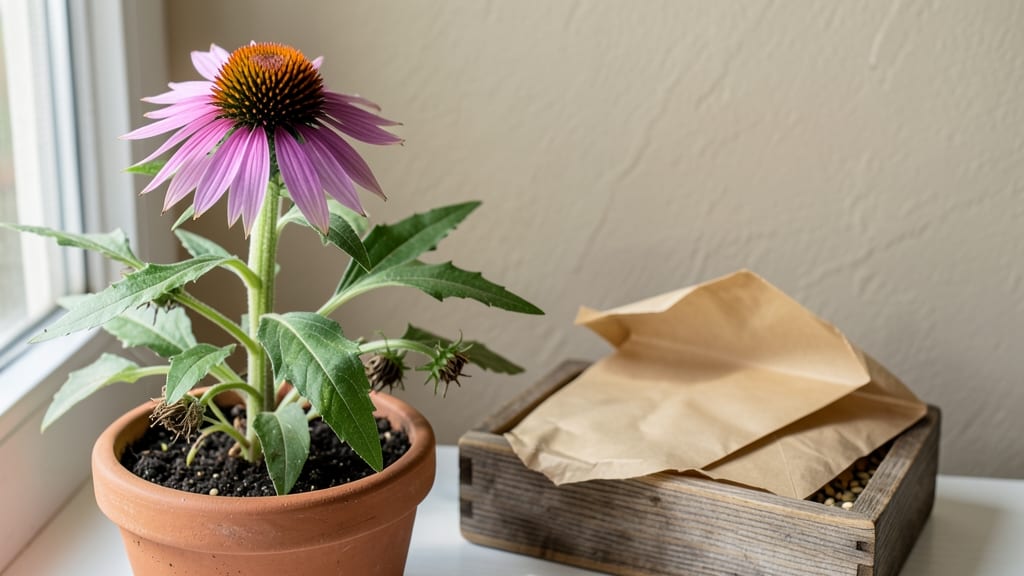
Storing flower seeds properly means next year’s garden starts today. ✨ The difference between viable seeds and dust is a few simple steps—cool, dry conditions and the right containers. I’ve saved seeds for five seasons now, and this method keeps them fresh until planting time.
You’ll need airtight containers (paper envelopes or glass jars work best), silica gel packets to absorb moisture, and a dark, cool spot like a basement or refrigerator.
Label everything immediately—nothing’s worse than opening a jar of mystery seeds in spring. Most flower seeds stay good for 2-5 years if stored correctly.
What you’ll end up with is a seed stash ready for next spring, with no last-minute store runs or settling for inferior varieties. The first time you watch those stored seeds sprout just as eagerly as fresh ones, you’ll never toss them again.
Works for annuals, perennials, and even heirloom varieties—just adjust storage time based on seed type. Here’s how to do it right without the guesswork.
📚 In This Guide
- What you need
- Instructions
- Tips and common mistakes
- Wrapping up and next steps
What you need
- ● Air-tight containers: Small jars (like mason jars), envelopes, or resealable plastic bags (ensure they’re completely dry before sealing).
- ● Desiccant packets: 1-2 small silica gel packets (found in shoe boxes or vitamin bottles) to absorb moisture.
- ● Paper towels or coffee filters: A few sheets to line containers and prevent seeds from sticking together.
- ● Permanent markers or labels: To write seed names, varieties, and harvest dates (waterproof markers work best!).
- ● Cool, dark storage space: A pantry, fridge (crisper drawer), or basement with temperatures between 35°F–45°F (2°C–7°C).
- ● Seed storage envelopes: Pre-made paper envelopes designed for seed storage (easy to label and stack).
- ● Vacuum sealer: For long-term storage (extends seed viability by removing all air/moisture).
- ● Humidity indicator cards: To monitor moisture levels in your storage containers.
- ● Notebook or spreadsheet: To track seed varieties, germination rates, and storage dates.
Step-by-Step guide to storing flower seeds for next year
Here's the foolproof method I use to keep flower seeds fresh and ready for planting season.
🌱 Step 1: Harvest Seeds at Peak Ripeness
Collect seeds when they're fully mature but still dry on the plant. For most annuals, this means waiting until the seed pods turn brown or papery—like dried-up milkweed pods or poppy heads. I like to harvest on a dry day when humidity is low, as damp seeds develop mold faster during storage.
Use clean, sharp scissors or your fingers to snip pods from the stem. Avoid touching the seeds themselves—they're delicate and can bruise easily. Place the harvested pods in a paper bag (not plastic) and let them dry completely in a warm, dry spot for 3-5 days. You'll know they're ready when the pods crumble easily between your fingers.
💧 Step 2: Clean and Dry Seeds Thoroughly
Spread the dried pods on a clean, dry towel or newspaper. Gently separate any remaining seeds from the chaff by rubbing the pods between your palms—this works best for small seeds like cosmos or zinnias. For larger seeds like sunflower or marigold, you can simply shake them out of the pods.
Let the seeds air-dry for another 24-48 hours in a warm, dry place. The goal is to reduce moisture to 5-10%—any higher, and they'll spoil during storage. You can test dryness by squeezing a few seeds; if they feel slightly stiff but not brittle, they're ready. Store any seeds that feel damp or sticky separately for another drying cycle.
⏰ Step 3: Package Seeds Properly for Long-Term Storage
Use small, airtight containers like glass jars, plastic bags with zip-top seals, or even folded paper envelopes. Label each container with the seed type and harvest date—next year's you won't remember which packet is which! I like to include a tiny note with planting tips, like "direct sow after last frost" or "needs warm soil to germinate."
Add a moisture absorber like a silica gel packet or a folded coffee filter to the container. Store the sealed containers in a cool, dark place—a refrigerator crisper drawer or a sealed plastic bin in the garage works well. The ideal storage temperature is 35-40°F, but as long as it stays below 50°F, seeds will stay viable for 1-5 years, depending on the type.
☀️ Step 4: Monitor and Rotate Seed Stock
Check your stored seeds every 6 months to ensure they haven't developed mold or pests. If you notice any signs of spoilage—musty smells, discoloration, or tiny insects—discard those seeds immediately. I also like to test a few seeds from each packet every year by planting them in a small pot. If they germinate well, the rest of the batch is good to keep.
Use the oldest seeds first to maintain freshness. Most flower seeds retain viability for 1-3 years, but some, like poppies, may only last 1 year. Write the harvest date clearly on each container so you can prioritize which seeds to plant first. With proper storage, you'll have a stash of seeds ready to bring next year's garden to life!
Tips & tricks for perfectly preserved flower seeds
These little-known strategies will help you extend seed viability and avoid common pitfalls that ruin your hard-earned harvest.
Harvest Timing Secret: The 3-5 day drying period in Step 1 is non-negotiable—don't rush it! I've learned the hard way that seeds harvested too early (when pods are still green) won't dry properly and develop mold within weeks. Test readiness by gently crushing a pod—if it feels dry and crumbly, your seeds are ready. For extra insurance, place pods in a single layer on a wire rack to allow airflow from all sides.
Moisture Control: That 24-48 hour air-drying in Step 2 is where most people fail. The stiff-but-not-brittle test is your best friend—if seeds feel damp or sticky, extend drying time. I keep a small fan blowing gently on them to speed up evaporation without overheating. For seeds that feel questionable, place them in a single layer on a paper towel and let them dry another 12 hours before packaging.
Storage Wisdom: The cool, dark environment in Step 3 is crucial—never store seeds in your kitchen or near a window. I've had seeds last twice as long by using small glass jars with tight lids in my refrigerator's crisper drawer. Pro tip: Place a small piece of chalk in each container to absorb any residual moisture that might develop over time. This simple trick has kept my seeds viable for up to 5 years instead of the typical 3.
Pro Tips for Store Flower Seeds For Next Year
- These little-known strategies will help you extend seed viability and avoid common pitfalls that ruin your hard-earned harvest.
- Harvest Timing Secret: The 3-5 day drying period in Step 1 is non-negotiable—don't rush it!
- Moisture Control: That 24-48 hour air-drying in Step 2 is where most people fail.
Frequently asked questions
Got questions about storing flower seeds? You’re not alone! Here are some of the most common concerns—and their answers—to help you keep your seeds happy until planting season.
How long can I store flower seeds before they lose viability?
Most flower seeds stay viable for 1–5 years when stored properly, depending on the type. Annuals (like marigolds or zinnias) often last 1–2 years, while perennials (like lavender or foxglove) can last 3–5+ years. Always check the seed packet for specifics—some varieties are short-lived!
What’s the best way to test if my stored seeds are still good?
Do a quick “paper towel test”! Dampen a paper towel, place a few seeds inside, fold it, and seal in a plastic bag. Keep it warm (like on your fridge) for 3–5 days. If half or more sprout, your seeds are still viable. No sprouts? Try fresh seeds!
Can I store flower seeds in the fridge instead of a freezer?
Yes! A cool, dark fridge (35–40°F) works great for short-term storage (up to a year). For longer-term (2+ years), a freezer is better—but never freeze seeds in plastic bags (use airtight containers). Just avoid the crisper drawer (too humid!).
What if my seeds get moldy or smell bad during storage?
Mold or a musty smell means too much moisture got in! Toss those seeds—moldy seeds won’t grow, and the spores can contaminate others. Prevent it by using silica gel packets or uncooked rice in your storage container to absorb excess humidity.
Do I need to clean or dry seeds before storing them?
Absolutely!
Let seeds air-dry for 1–2 weeks in a shady, well-ventilated spot before storing. Remove any debris or chaff, then store them in a paper envelope or breathable container—plastic traps moisture, which speeds up spoilage.
Still unsure? Drop your question in the comments—we’re happy to help your seeds survive until spring!
Wrapping up and next steps
Storing flower seeds correctly ensures they stay viable and ready to bloom when spring arrives! By keeping them dry, cool, and sealed in airtight containers, you’ll preserve their potential for next year’s garden. Whether you’re a seasoned gardener or just starting, these simple steps make seed-saving stress-free.
Now that you’re equipped with the know-how, grab those seeds and start storing them today! 🌱 Soon, you’ll be watching your garden flourish with the same beauty—just from last year’s saved treasures. Happy gardening!