
Plants
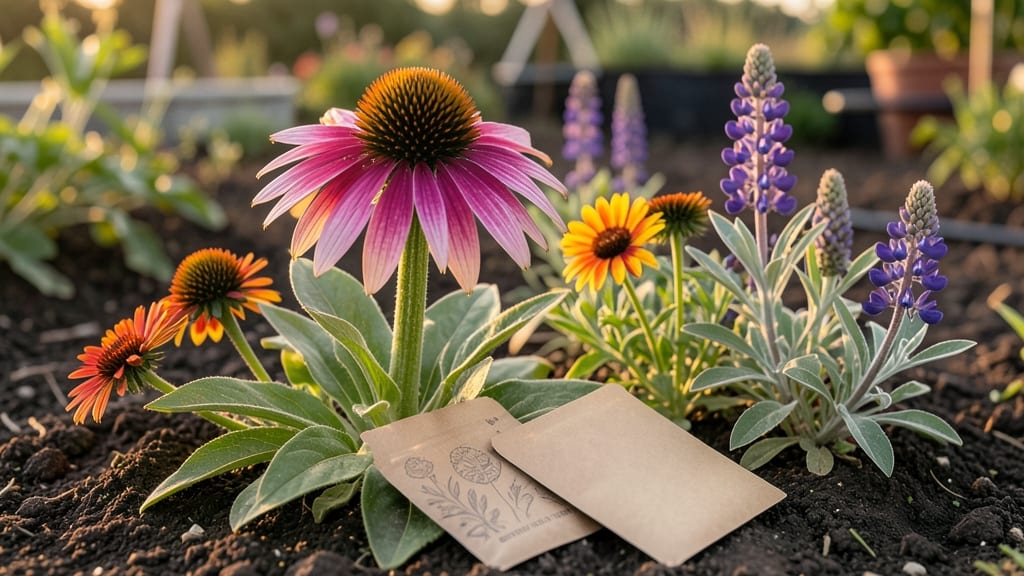
Plant wildflower seeds in Utah between late summer and early fall 🌼 for the best spring blooms, or in early spring to catch the first flush of color.
Utah’s diverse elevations—from high desert plateaus to mountain meadows—create the perfect conditions for wildflowers, but timing is everything to ensure a dazzling display. Miss the window, and you’ll end up with sparse blooms or seeds that struggle to germinate in the heat.
This guide breaks down the ideal planting months by elevation, so you know whether to scatter seeds in August or wait until March. We’ll also cover Utah-specific tips, like leveraging winter rains and avoiding summer heat, to give your wildflowers the best start.
By the end, you’ll have a clear checklist for success, from soil prep to watering schedules, so your meadow thrives year after year.
Utah wildflower planting calendar by elevation: low, mid, and high desert timing
Utah’s dramatic elevation shifts—from the low desert’s 100°F summers to high mountain snowy winters—mean wildflower planting windows vary wildly. Get the timing wrong, and your Indian paintbrush or blanket flower might bolt before blooming.
But nail it, and you’ll unlock vibrant meadows that last for years with minimal care. Here’s your elevation-specific planting roadmap.
For low desert (4,000–6,000 ft), think St. George or Cedar City—where scorching heat and limited rain demand fall planting.
Mid-desert (6,000–8,000 ft, like Salt Lake Valley) offers a spring or fall window, while high-elevation (8,000+ ft) zones (Park City or Moab’s higher slopes) lean toward late spring to avoid late frosts. Soil temps matter too: most wildflower seeds need 40–60°F to germinate.
In low desert, I’ve seen blanket flower seeds planted in mid-September germinate within 10–14 days thanks to cooler nights and moisture from monsoon rains. The key is to time it so seeds sprout before summer’s brutal heat dries them out.
For mid-desert, I recommend fall planting—seeds overwinter and bloom earlier the next spring, beating the April heat.
High-elevation gardeners should wait until May to plant yarrow or lupine, as late snow can delay soil warming. Test your soil temp with a soil thermometer—aim for 50°F+ before sowing.
If you’re in Park City, June planting might work for hardy species like Indian paintbrush, but blanket flower needs warmer soils.
Pro tip: Scatter seeds lightly—Utah wildflowers thrive in crowded conditions. After planting, press seeds into soil with a board or rake to ensure seed-to-soil contact.
In low desert, a light mulch of straw helps retain scant moisture, while high-elevation areas benefit from rock mulch to prevent erosion.
Watch for germination signs: tiny green shoots or cotyledons (seed leaves) appear in 7–30 days, depending on the species. If you planted in fall, seedlings may overwinter as rosettes—don’t disturb them!
In spring, they’ll bolt upright and bloom by summer. For high-elevation areas, late bloomers like columbine may need extra time to establish.
Timing isn’t just about months—it’s about microclimates. A south-facing slope in mid-desert might warm up 2 weeks earlier than a north-facing spot. Use local weather data (like Utah Climate Center reports) to fine-tune your schedule. And remember
Best wildflower seed varieties for Utah’s climate zones and their ideal planting months
Utah’s diverse microclimates demand smart wildflower choices. Native species like Indian paintbrush and blanket flower thrive in Utah’s arid conditions, while yarrow and lupine handle higher elevations. Each variety has specific planting windows tied to elevation and rainfall patterns.
For low desert zones (4,000–6,000 ft), prioritize drought-tolerant annuals like desert marigold and blue grama grass. These bloom spring through summer when planted in late summer (August–September) to leverage fall rains for germination.
Mid-elevation areas (6,000–8,000 ft) support perennial powerhouses such as blanket flower and purple coneflower. Plant these in early spring (March–April) to avoid summer heat stress, ensuring vibrant blooms from June through September.
High-elevation meadows (8,000+ ft) favor cool-season wildflowers like Indian paintbrush and larkspur. Sow seeds in late summer (August) for spring blooms, as shorter growing seasons demand early starts.
🌱 Pros & Cons of Utah Wildflower Planting Timing
Fall Planting (Aug–Sept)
- ✅ Leverages fall rains for natural germination
- ✅ Reduces spring competition from weeds
- ✅ Ideal for low-elevation desert zones
- ❌ Requires consistent moisture post-planting
- ❌ Limited to annual species only
Spring Planting (Mar–Apr)
- ✅ Perfect for perennial varieties like blanket flower
- ✅ Avoids summer heat stress during germination
- ✅ Works for mid-to-high elevations
- ❌ Weed competition may outpace seedlings
- ❌ Needs regular watering until established
My top 3 recommendations for Utah gardeners: Blanket flower (Gaillardia) for mid-elevation heat, Indian paintbrush for high-altitude meadows, and yarrow (Achillea) for drought resilience. Each offers vibrant colors and low-maintenance care once established.
For best results, pair native wildflowers with local grasses like blue grama or buffalo grass. This ecosystem support improves pollinator attraction and soil stability in Utah’s variable climates.