
Plants
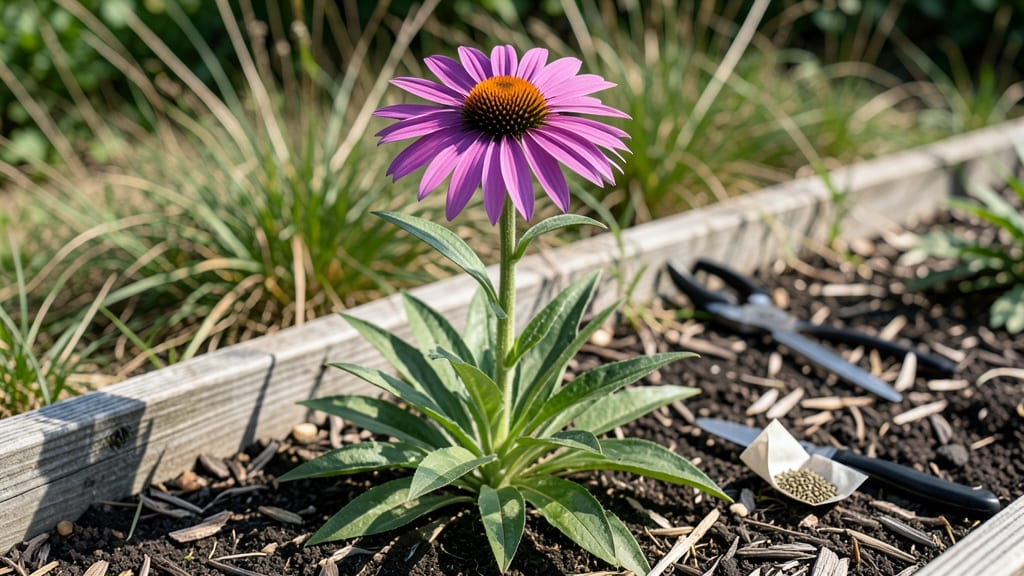
Planting wildflower seeds in Tennessee at the right time ensures vibrant blooms all season long 🌼 — aim for early spring or fall when soil temperatures and moisture align with germination needs.
Tennessee’s diverse climate—from the Appalachian Mountains to the Gulf Coastal Plain—means wildflower planting timing can make or break your garden’s success. Plant too early, and frost will wipe out your blooms; too late, and invasive weeds take over.
Whether you’re in USDA zones 6a-7b, the key is matching seed types to your region’s frost dates. Spring plantings in March-April give flowers a head start, while fall sowings in September-October let seeds establish roots before winter.
Below, I’ll break down the best months for your zone, how to prep soil for Tennessee’s limestone-rich earth, and pro tips to outsmart weeds—so you end up with a meadow that thrives, not struggles.
Best planting months for Tennessee wildflowers by USDA zone
Tennessee spans USDA zones 6a through 8a, creating microclimates where black-eyed Susans thrive in the mountains while coreopsis flourishes in the western plains. The key to success? Planting at the right time—when soil temps hit 60°F+ and frost risks fade.
In zone 6a, aim for late April to early May, while zone 8a gardeners can start as early as mid-March. These windows ensure strong root establishment before summer heat arrives.
Fall planting offers a second chance for perennial wildflowers like coneflowers and bee balm. In September-October, seeds germinate in cool soil, develop roots before winter, and burst into blooms the following spring.
This strategy beats spring weeds and drought stress. For annual mixes, like sunflowers or zinnia, stick to late winter (February) in southern zones or wait until after last frost in cooler areas.
Soil temperature is your best friend—use a soil thermometer to confirm 55-65°F for germination. In Tennessee, this typically aligns with mid-April for spring and early October for fall. Pro tip: Loosen topsoil ¼ inch deep with a rake to create ideal seedbed conditions. Avoid planting when daytime temps exceed 85°F, as seeds dry out before sprouting.
Here’s your zone-by-zone planting calendar for Tennessee wildflowers, including frost-free dates and ideal species:
For spring blooms, prioritize annual wildflowers like cosmos or marigolds—they germinate quickly and tolerate heat. Perennials, such as bee balm, need 60 days of warm soil to establish roots, so plant them by May 1 in northern zones.
In zone 8a, you can even sow fall-blooming varieties like asters in late summer (August) for autumn color.
Missed the spring window? Fall planting is your backup—just avoid sowing after October 15, as seeds may not germinate before winter. Focus on drought-tolerant species like purple coneflower, which thrive in Tennessee’s limestone-rich soils. Water lightly after planting, then let nature take over. Mulch with straw
How to choose wildflower seed mixes for Tennessee’s climate
Tennessee’s humid subtropical and Appalachian mountain climates demand wildflower mixes that thrive in both heat and moisture. The wrong choice can lead to wilting annuals or overgrown perennials that crowd out native species.
Start by understanding the seed packet labels—look for Tennessee-native mixes or those labeled "drought-tolerant" to handle the state’s summer heat and occasional droughts.
Annual wildflower mixes like cosmos or zinnia deliver quick color but require replanting yearly. Perennials such as black-eyed Susan or butterfly milkweed return every year with less maintenance but may take 2-3 years to reach full bloom.
For wooded areas, opt for shade-tolerant varieties like wild columbine or trillium.
Drought-tolerant varieties like purple coneflower or goldenrod are perfect for Tennessee’s limestone-rich soils and low-water gardens. Avoid mixes with exotic species like African marigolds, which can invade native ecosystems. Instead, prioritize pollinator-friendly seeds to support butterflies and bees.
Annual vs. Perennial Wildflower Mixes for Tennessee
Annual Mixes
- Pros: Fast blooms (6-8 weeks)
- Pros: Great for seasonal color
- Cons: Requires yearly replanting
- Cons: Needs more water than perennials
Perennial Mixes
- Pros: Low-maintenance after establishment
- Pros: Supports local ecosystems
- Cons: Slower to establish blooms (2-3 years)
- Cons: May spread aggressively in some areas
Always check the seed packet label for sunlight requirements. Tennessee’s full-sun areas (6+ hours of light) suit coreopsis and black-eyed Susan, while partial shade (3-6 hours) works for wild bergamot. Avoid shade-only mixes unless planting under dense tree canopies.
For dry, rocky soils common in Tennessee’s Appalachian regions, choose deep-rooted perennials like smooth blue aster. In lowland areas with higher humidity, annuals like salvia thrive but may need extra airflow to prevent fungal diseases.
Skip pre-mixed "wildflower" blends with unknown species—these often include invasive weeds. Instead, buy region-specific mixes from reputable suppliers like American Meadows or Native American Seed. These ensure ecological compatibility and minimal upkeep.
Test your soil’s pH level (Tennessee’s limestone soils often skew alkaline). Most wildflowers prefer neutral to slightly acidic soil (pH 6.0-7.0). Amend with compost or peat moss if needed, but avoid chemical fertilizers, which can burn delicate wildflower roots.