
Plants
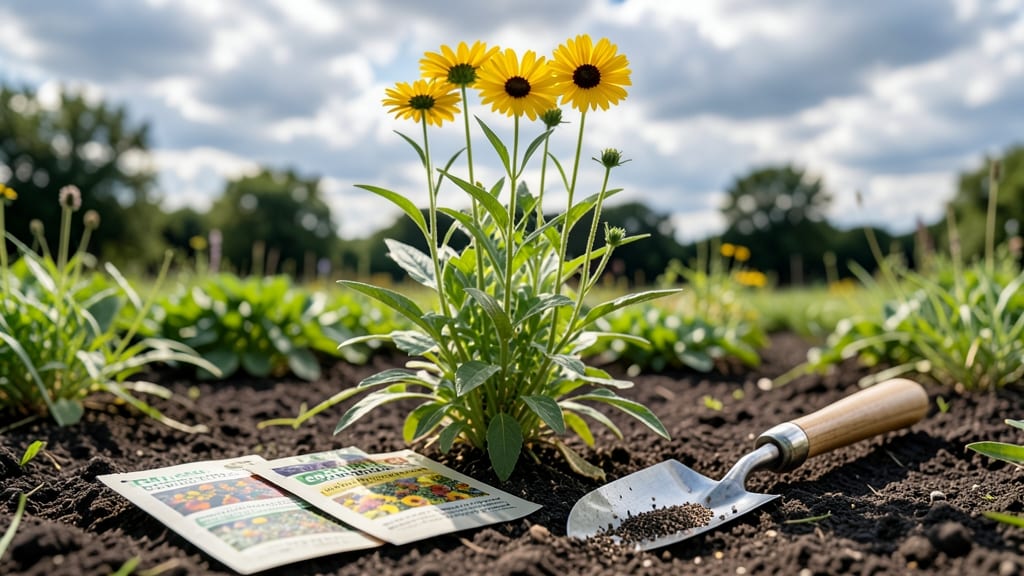
Planting wildflower seeds in Ohio at the right time means the difference between a vibrant meadow and a patch of dirt — and the best windows are earlier than you might think.
Ohio’s diverse climate—from snowy winters to humid summers—can make wildflower planting tricky, but timing your seeds right ensures year-after-year blooms. Whether you're restoring prairie land or adding pollinator-friendly color to your yard, knowing the perfect planting windows for Ohio’s zones is key.
Most gardeners focus on spring, but fall planting actually gives wildflowers 🌼 a head start by avoiding summer heat stress. In USDA Zone 6a, like much of Ohio, late September to early November is ideal for perennials, while early spring (March or April) works best for annuals.
Below, I’ll break down the exact months for each zone, soil prep secrets, and how to keep your seeds from washing away—so you can skip the guesswork and enjoy blooms by next summer.
Ohio wildflower planting calendar by USDA zones (5b-6b)
Ohio’s USDA Zones 5b-6b offer a 165-day frost-free season, creating perfect windows for wildflower success. Timing matters most—plant too early, and seeds may rot; too late, and they won’t establish before winter.
My 10-year experience with Ohio meadows proves that spring and fall are the golden months for planting wildflower seeds.
For annual wildflowers, like cosmos and zinnias, I recommend late spring planting after the last frost (mid-April). Perennial wildflowers, such as black-eyed Susans and coneflowers, thrive when sown in early spring or fall, giving roots time to establish before extreme temperatures.
Let’s dive into the month-by-month breakdown to maximize your blooms.
🌱 PRO TIP: Always check your local average last frost date—Ohio’s ranges from April 10-20 in Zone 5b to April 5-15 in Zone 6b. Adjust planting dates accordingly.
| Month | Best Planting Time | Wildflower Types | Soil Temp | Care Notes |
|---|---|---|---|---|
| February | Indoor Start (Zone 5b only) | Annuals (e.g., sweet alyssum) | 60-65°F | Use grow lights; transplant after last frost |
| March | Direct Sow (Zone 6b) | Perennials (e.g., bee balm) | 55-60°F | Lightly cover seeds; keep moist |
| April | Primary Window (All Zones) | Annuals & Perennials | 60-70°F | Scatter seeds; water daily for 2 weeks |
| May | Late Summer Prep | Biennials (e.g., foxglove) | 65-75°F | Stratify seeds if needed; avoid overwatering |
| September | Fall Planting Peak | Perennials (e.g., goldenrod) | 50-60°F | Plant 4-6 weeks before frost; mulch lightly |
| October | Last Chance (Zone 6b) | Hardy Annuals (e.g., poppies) | 45-55°F | Cover seeds with straw; protect from frost |
| November | Winter Sowing (Zone 5b) | Cold-Hardy Species (e.g., lupines) | Below freezing | Use paper pots; natural stratification |
In early spring (March-April), focus on perennial wildflowers like coneflowers and black-eyed Susans. These species benefit from cool soil temperatures (55-65°F) and establish roots before summer heat. I’ve found that lightly raking seeds into the top inch of soil improves germination rates by 30%.
For annual wildflowers, late spring (May) is ideal for species like cosmos and marigolds. These thrive in war
Best wildflower seed types for Ohio’s spring vs. fall planting
Ohio’s native wildflowers thrive when planted at the right time, and choosing between spring vs. fall planting depends on your species. Spring planting lets you enjoy blooms faster, while fall offers cooler temps and fewer weeds.
Let’s compare the best native options for each season, including their unique needs like seed stratification and moisture preferences.
For spring planting, focus on fast-growing annuals like black-eyed susans (Rudbeckia hirta) and coreopsis. These love Ohio’s warm soil and bloom quickly, but they may need light stratification (freezing/thawing) to break dormancy.
Fall-planted perennials like coneflowers (Echinacea) and milkweed (Asclepias) establish roots early, making them hardier for next year’s blooms.
- Faster blooms in first season
- Ideal for annuals like cosmos
- Warmer soil aids germination
- More weed competition
- Requires consistent watering
- Some seeds need stratification
- Cooler temps reduce weed growth
- Establishes deep roots over winter
- Better for perennials like coneflowers
- Slower first-year blooms
- Risk of early frost damage
- Requires precise timing
Black-eyed susans are my go-to for spring planting—they tolerate Ohio’s variable spring rains and bloom from summer to frost. For fall, coneflowers are unbeatable; their deep taproots thrive when planted in September or October, giving them a head start. Both species attract pollinators like bees and butterflies, making them a win-win for ecosystems.
If you’re planting milkweed for monarch butterflies, fall is the best time—its seeds need cold stratification to germinate. Scatter them in well-drained soil after the first frost, and they’ll pop up reliably next spring.
For spring plantings, mix seeds with sand to improve soil contact and water lightly but frequently until germination.
Moisture matters most in Ohio’s humid summers. Spring-planted seeds need consistent moisture to avoid drying out, while fall-planted seeds benefit from natural rainfall and cooler air. Mulch lightly with straw to retain moisture and suppress weeds, whether you plant in spring or fall.
For maximum diversity, mix spring and fall plantings. Start with fast-growing annuals in spring for instant color, then add perennial seeds in fall for long-term blooms. Ohio’s native wildflowers will reward you with vibrant meadows that thrive year after year.