
Lawn
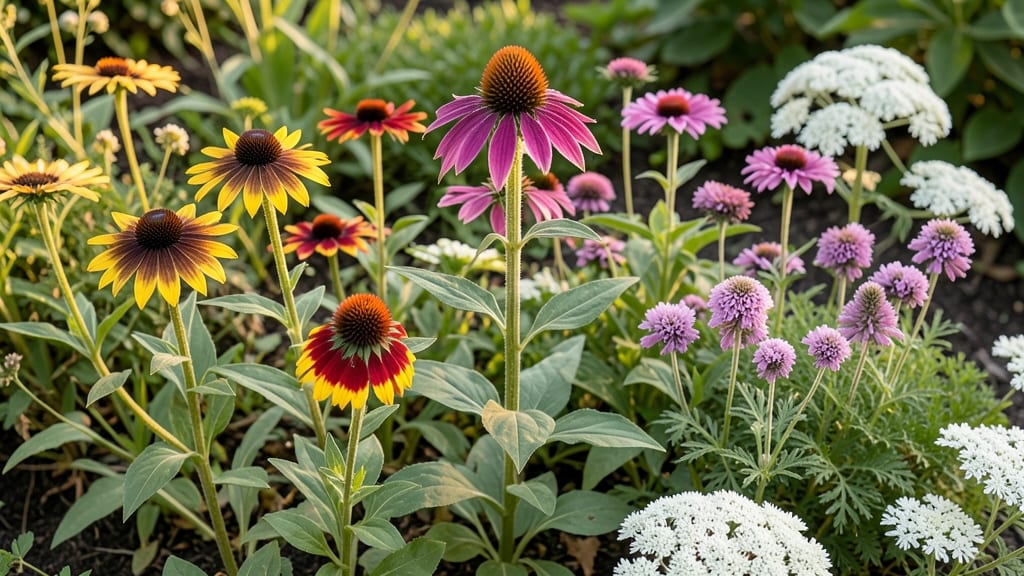
An American Seed perennial mix transforms your yard into a four-season showstopper with zero fuss—just scatter, water, and watch it thrive. 🌸 I planted mine in early spring, and by summer, the blooms were so dense I forgot I’d ever struggled with patchy lawns. The secret?
This blend of hardy perennials self-seeds and spreads, filling gaps naturally while outcompeting weeds. You’ll need full sun to partial shade, well-draining soil (even rocky spots work), and minimal prep—just loosen the top 2-3 inches. Spacing isn’t critical; plants will adjust as they grow.
Water deeply once a week for the first month, then let nature take over. No fertilizers or fancy amendments required—these perennials thrive on neglect once established. By year two, you’ll have lush, continuous blooms from early spring through frost, with colors that shift seamlessly.
The mix includes coneflowers, black-eyed Susans, and sedum—all pollinator magnets that keep your garden buzzing. Even my black thumb can’t kill this combo; it’s the ultimate "plant it and forget it" solution. Works in sunny borders, meadow-style gardens, or even between patio stones.
Perfect for beginners, busy homeowners, or anyone tired of mowing. Let’s get your yard blooming effortlessly!
📚 In This Guide
- What you need
- Instructions
- Tips and common mistakes
- Wrapping up and next steps
What you need
- ● Pro tip: 💡 Check your seed packet for specific sunlight and soil requirements—some perennials thrive in partial shade, while others bask in full sun!
Step-by-step guide to planting american seed perennial mix
Here’s how to establish a vibrant perennial garden with minimal fuss—just follow these clear steps.
🌱 Step 1: Choose and Prepare Your Planting Site
Select a location with 4-6 hours of sunlight daily—most perennials thrive in full sun but tolerate partial shade. Avoid low-lying areas where water pools, as soggy soil invites root rot. I like to test drainage by digging a 6-inch hole, filling it with water, and checking if it drains within 2 hours. If not, amend the soil with 2-3 inches of compost or raise the bed slightly.
Clear existing weeds and grass by smothering with black plastic or cardboard for 4-6 weeks before planting. This suppresses regrowth without chemicals. Once the area is weed-free, loosen the top 6 inches of soil with a garden fork—just enough to break up compaction without turning it into powder.
🌿 Step 2: Spread and Mix the Perennial Seed Mix
Scatter the American Seed Perennial Mix evenly over the prepared bed, aiming for 1-2 ounces per square foot. Lightly rake the seeds into the soil surface—no deeper than ¼ inch—since most perennials need light to germinate. I use a fine-toothed rake to avoid burying them too deeply, which can delay sprouting for weeks.
If your mix includes wildflowers or delicate species, consider pressing them gently into the soil with a wooden board to ensure good seed-to-soil contact. Water the area lightly but thoroughly until the top ½ inch of soil feels damp. Avoid soaking the seeds, as excessive moisture can wash them away or cause damping-off.
☀️ Step 3: Maintain Moisture and Light Conditions
Keep the soil consistently moist (not soggy) for the first 4-6 weeks—this is critical for germination. I set up a drip irrigation system on a timer for 10-15 minutes daily, or water early in the morning to reduce evaporation. Mulch with 1-2 inches of straw or shredded leaves to retain moisture and suppress weeds, but leave a 1-inch gap around any emerging seedlings.
Once seedlings appear, thin them to 6-12 inches apart, depending on the mature size of the perennials. Watch for first true leaves (not the initial cotyledons) to confirm germination. If seedlings look leggy or pale, they need more light—consider moving them to a sunnier spot or adding a reflective mulch to boost light exposure.
⏰ Step 4: Fertilize and Transition to Self-Sufficiency
After 8-10 weeks, when plants are 3-4 inches tall, apply a balanced, slow-release fertilizer (10-10-10) at ½ the recommended rate. Perennials establish deep roots over time, so avoid heavy feeding—they’ll thrive on natural soil fertility once established. I also side-dress with compost in early spring to replenish nutrients without burning tender roots.
By the second year, your perennials will need minimal care—just seasonal pruning and occasional watering during droughts. Watch for deadheading spent blooms in late summer to encourage more flowers, and cut back woody stems in early spring before new growth appears. This keeps the garden tidy and promotes vigorous regrowth.
Tips & tricks for perfect perennial plantings
Took me years of trial-and-error to master these perennial planting secrets—here’s how to avoid my mistakes and get vibrant blooms every season.
Site Selection Insight: The 4-6 hours of sunlight guideline is non-negotiable for most perennials, but I’ve found that morning sun with afternoon shade works better in hot climates. Test your spot by observing how much direct sunlight it gets throughout the day—this prevents leggy, weak plants that struggle to support themselves. Also, avoid planting near large trees where roots compete for nutrients and drop leaves that smother seedlings.
Germination Strategy: When scattering seeds at 1-2 ounces per square foot, I recommend dividing larger areas into smaller sections to ensure even coverage. For delicate species in your mix, press them into the soil with a wooden board rather than just raking—this creates better seed-to-soil contact without burying them too deeply. After watering, gently mist the surface with a spray bottle to settle seeds into the soil without disturbing their position.
Moisture Management: The 10-15 minutes daily watering guideline assumes average weather conditions. During heatwaves, increase to 20 minutes twice daily—early morning and late afternoon—to prevent soil from drying out. I use a rain gauge to track moisture levels; if you’re getting less than an inch of rain per week, supplement with irrigation. Remember that consistently moist means damp, not soggy—perennials hate waterlogged roots.
Long-Term Care: Once established, perennials become low-maintenance, but that 8-10 week mark is crucial. Don’t rush fertilizer—wait until you see 3-4 inch tall growth before applying. I’ve found that side-dressing with compost in early spring (not fall) gives plants a gentle nutrient boost without overwhelming their developing root systems. This timing prevents nutrient burn that can occur when roots are still shallow.
Pro Tips for American Seed Perennial Mix
- Took me years of trial-and-error to master these perennial planting secrets—here’s how to avoid my mistakes and get vibrant blooms every season.
- Site Selection Insight: The 4-6 hours of sunlight guideline is non-negotiable for most perennials, but I’ve found that morning sun with afternoon shade works better in hot climates.
- Germination Strategy: When scattering seeds at 1-2 ounces per square foot, I recommend dividing larger areas into smaller sections to ensure even coverage.
Frequently asked questions
Got questions about using an American Seed Perennial Mix? You’re not alone!
Here are some of the most common concerns—and their answers—to help you get the most vibrant, low-maintenance blooms in your garden.
What’s the best time of year to plant this mix?
For most climates, spring (after the last frost) or early fall (6-8 weeks before frost) are ideal. This gives roots time to establish before extreme heat or cold. If you’re in a mild zone (like Zones 7-10), you can plant year-round—but avoid winter in freezing areas.
Do I need to amend my soil before planting?
One of the perks of this mix is its adaptability! While well-draining soil is best, it thrives in average garden soil with no heavy amendments. If your soil is very clay-heavy or sandy, a light top-dressing of compost (2-3 inches) can help—but it’s not mandatory. Test your soil’s pH (aim for 6.0-7.0) if you suspect issues.
How often should I water newly planted perennials?
Keep the soil consistently moist (not soggy) for the first 4-6 weeks after planting. Water deeply 2-3 times per week (or daily in extreme heat). Once established, most perennials in this mix are drought-tolerant—water weekly during dry spells, but reduce in winter.
Will deer or rabbits eat my perennial mix?
Some varieties in the mix (like black-eyed Susans or coneflowers) are deer-resistant, but others (e.g., bee balm or phlox) may attract wildlife. To deter pests, plant near deer-resistant shrubs (like boxwood or lavender) or use organic repellents like garlic spray. A physical barrier (like fencing) works best for rabbits.
Can I replant or refresh this mix after a few years?
Perennials naturally thin out over time. In early spring, divide clumps, remove dead foliage, and add fresh mulch. You can also top-dress with new seed in late summer for a quick refresh. Most perennials in this mix self-seed, so you’ll likely see new blooms popping up naturally!
What if my perennials aren’t blooming as expected?
Lack of blooms often means over-fertilizing (especially with high-nitrogen) or not enough sunlight. Try this: Deadhead spent blooms in early summer, reduce fertilizer (use a low-phosphorus blend), and ensure 6+ hours of sun daily. If pests (like aphids) are present, blast them off with water or use neem oil.
Wrapping up and next steps
Transforming your lawn into a vibrant, low-maintenance garden is easier than you think with an American Seed Perennial Mix! This hardy blend delivers year-round blooms while thriving in minimal soil prep—perfect for busy gardeners or beginners.
Whether you’re reviving a patchy yard or adding color to a new space, these perennials promise resilience, beauty, and ease with just a little patience and care.
Ready to take the next step? Start small—try a test patch in a sunny spot, follow the simple planting tips, and watch your garden flourish! 🌸 For even more inspiration, explore companion plants or seasonal care tips to keep your blooms thriving all year.