
Plants
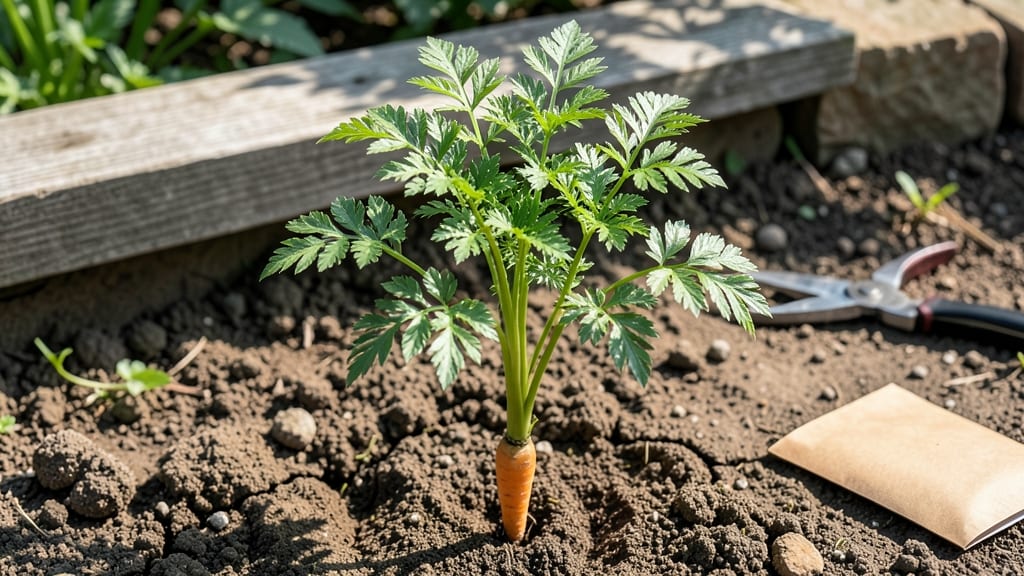
To plant carrot seeds in Ohio, aim for soil temperatures between 45°F and 85°F—spring’s March to April window is your best bet for fast germination before summer heat sets in.
Ohio gardeners know timing is everything—plant carrot seeds too early, and they’ll rot in cold soil; too late, and summer’s heat will make them bolt. Mastering the perfect window ensures crisp, sweet harvests all season.
With Ohio’s 6a climate, you’ve got two chances: a spring crop in March or April for a June harvest, or a fall planting in August or September to pull roots before frost. The key is soil warmth, not just dates.
Below, I’ll break down the exact soil temp triggers, how to prep your beds for fast germination, and why succession planting keeps your table stocked from June through November.
Ohio carrot planting calendar: soil temperature triggers for germination
Ohio’s variable climate makes timing critical for carrot seeds—soil temperature is the real game-changer, not just the calendar date. Seeds need 45–85°F soil to germinate reliably, and Ohio’s USDA zones 5b–6b mean northern areas (like Cleveland) face later planting than southern regions (like Cincinnati).
Get this wrong, and you’ll either wait forever for sprouts or watch seeds bolt into bitter greens.
Spring planting starts when soil warms consistently above 45°F, typically mid-March to early April in southern Ohio, but late April in northern zones. Fall crops thrive when soil cools below 80°F—aim for late July to mid-August to avoid summer’s heat stress.
These windows align with Ohio’s average last frost dates (April 15) and first frost (October 15), but microclimates can shift timing by weeks.
Here’s your Ohio carrot planting calendar, broken down by zone and soil temp triggers:
Northern Ohio (zones 5b, like Toledo) should wait until soil hits 50°F—usually late April—while southern Ohio (zone 6a, like Columbus) can start as early as mid-March.
Pro tip: Use a soil thermometer ($10 at garden centers) to confirm temps before planting. Cold soil = slow germination or rot.
For fall carrots, plant 6–8 weeks before first frost (aim for mid-August). Choose bolt-resistant varieties like ‘Danvers’ or ‘Nantes’—they handle Ohio’s unpredictable heat waves better than tender types. Mulch with straw to keep soil temps stable and moisture even.
Ohio’s clay-heavy soils slow warming, so amend beds with compost or sand before planting. Raised beds warm 2–3 weeks faster than in-ground soil, giving you an earlier start. Test your soil’s drainage too—waterlogged carrots develop forked roots or rot.
Succession planting every 2 weeks from spring to early summer ensures a continuous harvest. For fall, make a final planting in early August to mature before frost. In urban gardens with microclimates (like south-facing walls), you might push spring planting 2 weeks earlier—but always check soil temps.
Watch for bolting if daytime temps hit 85°F+—carrots will flower and go bitter. Use shade cloth (30–50%) during heatwaves to keep soil cooler. In northern Ohio, late spring frosts can damage seedlings, so have row covers ready until soil warms consistently.
Remember: Carrot seeds are tiny—plant them 1/4 inch deep and keep soil moist until sprouts appear (7–14 days). Thin seedlings to 2–3 inches apart to prevent crowding and forked roots. With these triggers, you’ll go from seed to harvest in 70 days—crisp, sweet carrots all season long!
How to extend Ohio’s carrot growing season: succession planting tips
Ohio’s unpredictable springs and scorching summers can turn carrot growing into a gamble—but with succession planting, you can secure 3-4 harvests per year. The key is staggering plantings every 2-3 weeks to keep a steady supply of fresh, crisp carrots from May through November.
This method works especially well with cold-hardy varieties like ‘Danvers’ or ‘Nantes’, which handle Ohio’s late frosts and heatwaves better than delicate heirlooms.
Start by planting your first batch as soon as soil reaches 45°F (usually mid-March in southern Ohio, late March in the north). Then, sow new seeds every 2-3 weeks until mid-July. This creates a rolling harvest, ensuring you’re never without fresh carrots.
For fall crops, begin again in early August—these late plantings thrive in Ohio’s cool autumn and can be harvested until first frost in October.
- First Planting: Mid-March (soil at 45°F) – Danvers or Nantes varieties for early harvest.
- Staggered Plantings: Every 2-3 weeks until mid-July – use shade cloth (30%) for late June/July to prevent bolting.
- Fall Restart: Early August – plant short-day varieties like ‘Paris Market’ for late-season harvests.
- Heatwave Hack: Use row covers or drip irrigation during 90°F+ days to maintain soil moisture.
- Final Harvest: Continue until first frost (October 15 in most of Ohio) – pull and store in sandy soil or sand for winter.
Ohio’s summer heat can turn carrot tops into bolt-inducing missiles, but shade cloth (30%) is your secret weapon. Install it over late June plantings to filter 30% of sunlight, keeping soil cooler and preventing premature flowering.
Pair this with drip irrigation to maintain consistent moisture—carrots hate drying out, and uneven watering leads to forked or hairy roots. For container growers, choose short varieties like ‘Little Finger’ and plant them in deep pots (12"+) with well-draining mix.
Don’t overlook soil preparation—Ohio’s clay-heavy soil can stunt carrot growth. Amend beds with compost and coarse sand to create loose, stone-free soil. Carrots need 6-8 inches of depth to grow properly, so avoid compacted areas.
If your soil is rocky or dense, consider raised beds filled with a 50/50 mix of garden soil and compost. This also improves drainage, reducing the risk of rot during Ohio’s unpredictable rainfall.
For maximum harvests, rotate varieties by planting height and maturity. Start with long, slow-maturing types (like ‘Chantenay’) for early spring, then switch to shorter, faster varieties (like ‘Paris Market’) in summer.
This keeps your garden productive year-round while minimizing pest pressure—carrot flies target stressed plants, so healthy, well-spaced seedlings deter them naturally. Mulch with straw or grass clippings to retain moisture and suppress weeds, which compete for nutrients.
With these succession planting tricks, you’ll enjoy homegrown carrots from May through November, even in Ohio’s challenging climate. The secret? Stay consistent with plantings, protect from extremes, and choose the right varieties.
Soon, your neighbors will be asking for your secret to endless harvests—and you can smile while handing them a freshly pulled carrot straight from your garden. 🥕