
Planting
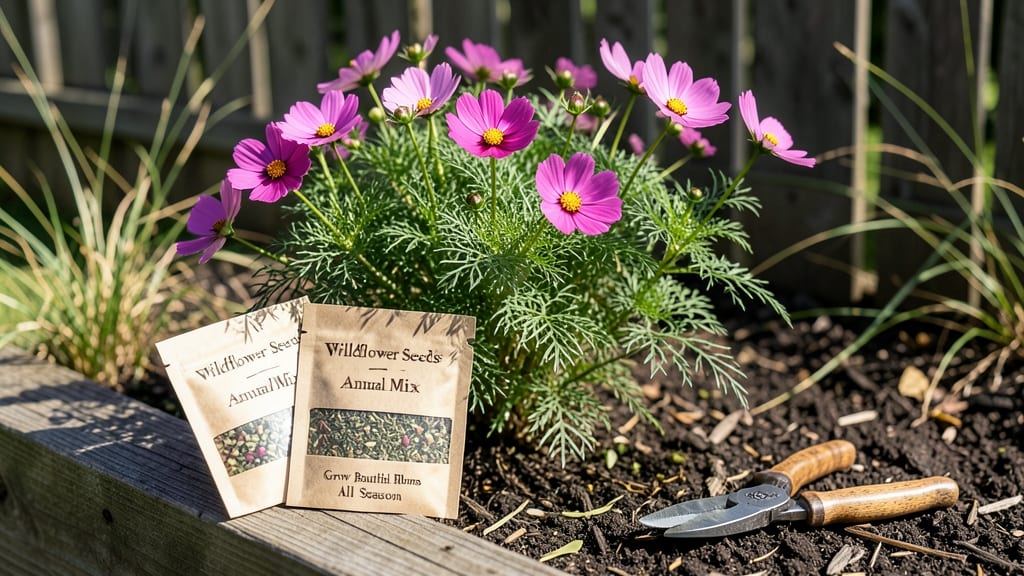
Direct sowing wildflower seeds is one of the easiest ways to attract pollinators to your garden, but it requires a few key steps to ensure strong germination rates. 🌸 Many wildflower varieties thrive when planted directly in the ground because they're adapted to natural conditions—no transplant shock here!
The best time to scatter seeds varies by region, with early spring or fall typically offering ideal moisture and temperature conditions. For maximum success, I recommend preparing the soil first by removing weeds and loosening the top layer to help seeds make contact with the earth.
Once you've scattered the seeds, keep the soil consistently moist (but not soggy) for the first few weeks. This mimics natural rainfall patterns and prevents seeds from drying out before they sprout. A light misting with a watering can works best—avoid heavy streams that could wash seeds away.
If you're planting in an open area, consider covering the seeds with a thin layer of straw or mulch to protect them from birds and erosion while they germinate.
💡 In This Article
- When and How Wildflower Seeds Germinate Naturally
- Preparing Soil and Seeds for Maximum Direct-Sowing Success
When and how wildflower seeds germinate naturally
Wildflower seeds rely on specific environmental triggers to break dormancy and germinate. Most species need a combination of moisture and temperature cues—typically a soil temperature between 60-75°F—to activate their internal enzymes.
For example, black-eyed Susans and coneflowers often sprout in early spring when daytime highs reach 55°F, while desert wildflowers like blanket flowers wait for summer's 85°F+ heat.
This explains why timing matters: planting too early in cold climates can leave seeds vulnerable to rot, while waiting too long may dry them out before germination.
The light requirement varies dramatically by species. Some wildflowers, like poppies and larkspurs, need full sunlight to germinate—their seeds contain chemicals that inhibit growth in darkness. Others, such as milkweed, thrive when lightly covered (¼ inch) because they've evolved to sprout under leaf litter.
The key is understanding your mix: native wildflower blends often include a mix of both types, so a light scattering followed by a gentle rake pass (just enough to press seeds into soil) works best for most varieties. 🌱
Moisture plays a dual role—too little and seeds dehydrate; too much and they rot. The ideal soil moisture is like a damp sponge: enough to keep seeds hydrated but with good drainage.
In my experience, a 1-inch weekly rainfall equivalent during germination (about ¼ inch per week from watering) is perfect. For dry climates, consider pre-soaking seeds overnight to jumpstart hydration, though this isn't always necessary for species adapted to arid conditions.
The critical window is the first 7-14 days after planting, when seeds are most fragile.
Regional differences create another layer of complexity. Northern gardeners should aim for late spring planting (after last frost) when soil warms, while southerners can sow in fall to take advantage of winter rains. Coastal areas with mild winters might even get two planting windows—early spring and late fall.
The USDA Plant Hardiness Zone map is your best friend here: match your seeds to your zone's typical frost dates and average soil temperatures. For instance, Zone 5 gardeners should wait until May 15 or later, while Zone 8 can plant as early as February.
What most people overlook is the role of beneficial microbes in the soil. Wildflowers often form symbiotic relationships with fungi (mycorrhizae) that help them access nutrients. Disturbing the soil too much—like tilling deeply—can disrupt these natural partnerships.
Instead, focus on loosening just the top 1-2 inches of soil to create a seed-friendly environment without harming the underground ecosystem. This "no-dig" approach mimics natural conditions where seeds settle into undisturbed soil layers.
Consider this real-world example: In a 2019 University of Wisconsin study, researchers found that wildflower seed mixes planted in undisturbed prairie soil had 40% higher germination rates than those in tilled plots. The difference? The native soil retained more moisture and harbored established microbial networks.
This proves that sometimes, doing less—like simply scattering seeds—can yield better results than heavy intervention. The natural world has perfected this process over millennia! 🌿