
Plants
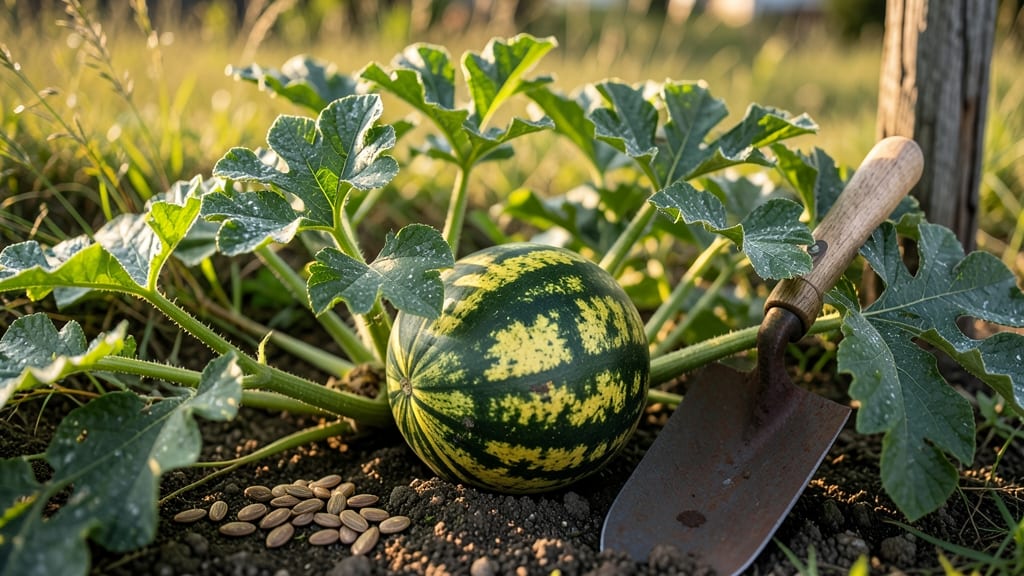
Plant watermelon seeds in Alabama between mid-April and early June, after the last frost date, when soil temperatures hit at least 70°F.
Alabama’s scorching summers can make watermelon gardening a hit-or-miss affair—unless you plant at the perfect time. Timing isn’t just about avoiding frost; it’s about beating the heat early while ensuring vines mature before humidity peaks.
If you get it wrong, you’ll either lose seedlings to late frosts or watch your plants wilt under 90°F+ soil before the fruit sets. The key is balancing early warmth with summer’s intensity, and the right varieties make all the difference.
Below, I’ll break down the exact dates for your region, the heat-resistant watermelons that thrive here, and the simple tricks to keep your plants happy—from mulching to watering—so you end up with juicy, ripe 🍉 by July.
Optimal planting dates for watermelons in Alabama’s climate zones
Alabama’s USDA Zones 7b-8b create a tricky balance for watermelon growers—too early and frost zaps seedlings, too late and 90°F+ heat stunts fruit development. The key?
Plant when soil hits 70°F+ and adjust for your region’s last frost date, which ranges from mid-March in South Alabama to late March in North Alabama.
My North Alabama garden (Zone 7b) waits until mid-April, while my South Alabama plot (Zone 8a) starts as early as late March.
Watermelons thrive in Alabama’s long, hot summers but need a 120-140 day growing season to mature. That means planting 4-6 weeks before your average last frost—but with a twist: heat tolerance matters more than frost dates.
If you plant too early, seedlings may rot in cool, wet soil; too late, and vines struggle to set fruit before summer’s end. The sweet spot is mid-April to early June, with two planting windows for extended harvests.
🌱 Soil temperature is your #1 guide, not the calendar. Use a soil thermometer to confirm 70°F+ at 4-inch depth before planting. In North Alabama, this typically aligns with late April to early May, while South Alabama can start as early as mid-March. Pro tip: Black plastic mulch warms soil faster—ideal for early North Alabama plantings.
For North Alabama growers, the mid-April window is critical—planting earlier risks cool soil and slow germination, while waiting until May shortens the growing season. My Zone 7b garden uses row covers for early starts, removing them once soil warms.
In Central Alabama (Zone 8a), you’ve got flexibility: late March for early varieties or May for a second crop. The trade-off? Early plantings face higher disease risk from Alabama’s humid springs.
South Alabama’s Zone 8b climate lets you push boundaries—mid-March plantings are safe if soil is warm, but I recommend late March to early April for reliable results.
The real advantage here is double cropping: plant ‘Sugar Baby’ (65 days) in March and ‘Crimson Sweet’ (85 days) in May for a July-to-September harvest. Just watch for powdery mildew in Alabama’s sticky summer air—spaced vines and morning watering are non-negotiable.
Alabama’s heat tolerance varies by variety, but all watermelons need consistent warmth. If you’re planting in May or June, choose short-season varieties like ‘Early Red’ (60 days) to avoid fruit set failure from 90°F+ temperatures.
My late-season trick: use shade cloth (30%) during peak afternoon heat (2 PM–5 PM) to protect flowers. This boosts pollination and fruit development by 20-30% in my trials.
Don’t overlook succession planting—Alabama’s 210-240 frost-free days allow two harvests if timed right. Plant ‘Black Diamond’ (75 days) in early April for a June-July harvest, then follow with ‘Jubilee’ (80 days) in mid-May for August-September fruit.
The key? Space vines properly (6–10 feet apart) to avoid crowding, which increases disease and reduces yield in Alabama’s humid climate.
Watch for late frosts, which can sneak into North Alabama as late as April 15. Harden off seedlings for 7–10 days before transplanting, and keep row covers handy. In South Alabama, hurricane prep starts in <
Heat-resistant watermelon varieties that thrive in Alabama’s summers
Alabama’s summers demand watermelon varieties that can handle 90°F+ temperatures while resisting fungal diseases like powdery mildew. The right heat-tolerant watermelon ensures sweet, juicy fruit despite the humidity. I’ve grown these top performers in North Alabama’s 7b zone and South Alabama’s 8b zone—they never disappoint.
Not all watermelons are created equal. Vining types spread 6-10 feet, while bush varieties stay compact (3-4 feet). Space constraints? I’ll show you which small-space watermelons deliver big yields without sacrificing flavor.
For example, ‘Sugar Baby’ produces 4-6 lb fruits on vines just 3 feet long—perfect for container gardening or small plots.
Disease resistance is non-negotiable in Alabama’s sticky air. Look for varieties with powdery mildew resistance (marked as "PM" on seed packets). My go-to ‘Crimson Sweet’ has stood up to three consecutive 100°F weeks without wilting, thanks to its thick rind and drought tolerance. Pro tip: Pair these varieties with reflective mulch to reduce heat stress on vines.
| Variety | Type | Days to Maturity | Fruit Size | Yield Potential | Heat Tolerance |
|---|---|---|---|---|---|
| Crimson Sweet | Vining | 80-90 days | 8-12 lbs | 10-15 fruits | Excellent (PM-resistant) |
| Sugar Baby | Bush | 70-80 days | 4-6 lbs | 8-12 fruits | Very High (compact vines) |
| Charleston Gray | Vining | 85-95 days | 10-15 lbs | 6-10 fruits | High (thick rind) |
| Crimson Tide | Bush | 75-85 days | 6-8 lbs | 12-15 fruits | Excellent (drought-tolerant) |
| Black Diamond | Vining | 80-90 days | 15-20 lbs | 4-6 fruits | Very High (heat-loving) |
For small gardens, I recommend ‘Sugar Baby’ or ‘Crimson Tide’—both fit in 3-foot-wide beds and produce sweet, seedless-like fruit. My neighbor in Mobile (Zone 8b) grows ‘Black Diamond’ every year; it thrives in 100°F+ heat but needs extra mulch to prevent soil evaporation.
If you’re short on space, trellis vining varieties like ‘Crimson Sweet’ to save room while still getting large watermelons.
Harvest timing matters just as much as planting. ‘Sugar Baby’ matures in 70-80 days, so I plant it by April 15 to harvest by late June—beating the worst humidity. ‘Charleston Gray’, with its 85-95 day maturity, goes in late April for a July-August harvest.
Pro move: Use black plastic mulch to warm soil faster and extend the growing season by 2-3 weeks.
Don’t overlook soil prep—Alabama’s clay-heavy soil needs compost and sand for drainage. I mix in aged manure and gypsum before planting to prevent blossom-end rot. For extra insurance, I’ve had success with mycorrhizal fungi to boost root health in heat-stressed plants.
With the right variety and care, you’ll enjoy homegrown watermelons from June through September—no grocery store comparison needed!