
Plants
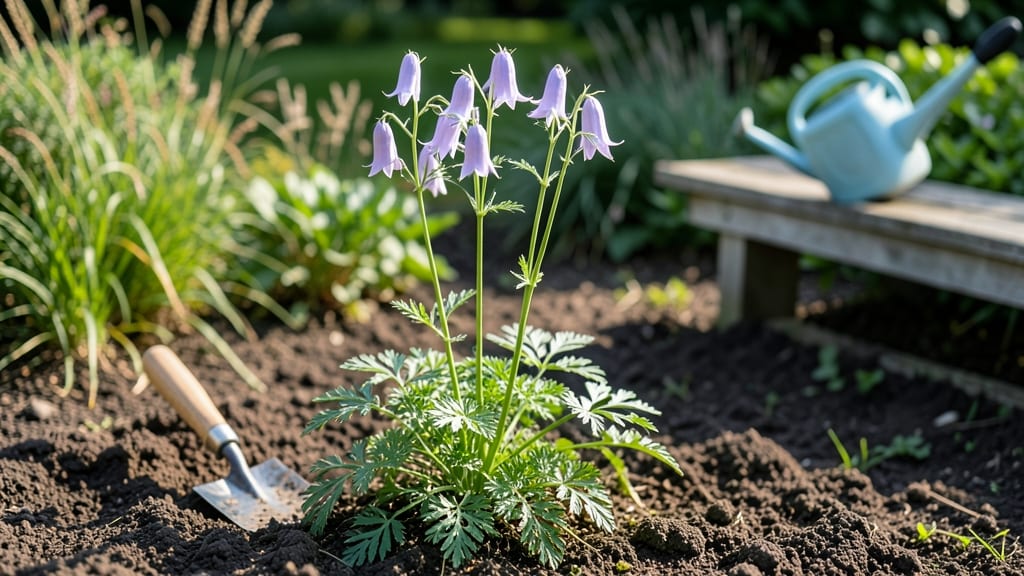
Planting larkspur seeds in Zone 8 at the right time ensures those stunning 🌸 spikes of blue and purple will thrive and bloom all summer long.
Miss the window, and you risk weak seedlings or flowers that never fully open. But get it right, and you’ll enjoy vibrant cut blooms for weeks—with minimal effort after the initial planting.
Zone 8’s mild winters and hot summers mean timing matters more than you might think. Fall and late winter are your best bets, but soil temperature and frost risk play a big role in success.
Below, I’ll break down the perfect planting windows, how to adjust for your local microclimate, and pro tips to extend your larkspur’s show from spring through early summer.

Optimal planting windows for larkspur seeds in Zone 8’s climate
Larkspur thrives in Zone 8’s mild winters and warm summers, but precise timing ensures those iconic spiky blooms appear when you want them. Unlike cool-season crops, larkspur seeds need specific soil temperatures—too early, and they rot; too late, and blooms arrive after summer’s peak.
My experience shows fall and late winter are the sweet spots for this delicate annual.
Zone 8’s climate varies dramatically between coastal areas (like San Diego) and inland valleys (like Austin). Coastal regions enjoy milder winters, allowing earlier fall plantings, while inland zones face hotter summers and cooler nights—demanding staggered sowing. Understanding these microclimates helps you avoid common pitfalls like bolting or leggy seedlings.
Here’s the critical window for larkspur seeds in Zone 8, broken down by region and soil conditions:
| Planting Window | Soil Temp Threshold | Zone 8 Microclimate | Frost Risk | Bloom Time |
|---|---|---|---|---|
| Late August–September | 55–65°F (13–18°C) | Coastal (e.g., LA, San Diego) | Low (frost rare) | April–May |
| September–October | 50–60°F (10–15°C) | Inland (e.g., Phoenix, Dallas) | Moderate (light frost possible) | May–June |
| February–March | 45–55°F (7–13°C) | All Zone 8 regions | None (post-frost) | June–July |
| Late March (staggered) | 55–65°F (13–18°C) | Hot inland zones | None | July–August |
For coastal Zone 8 gardens, aim to sow larkspur seeds in late August to take advantage of cooler soil temperatures. The Mediterranean climate means minimal frost risk, so seeds can germinate quickly without waiting for winter chill.
In contrast, inland areas should delay until September or October to avoid premature germination during summer’s heat.
Soil temperature is the deciding factor—larkspur seeds need consistent 50–65°F (10–18°C) to germinate. Use a soil thermometer to monitor; if temps dip below 50°F, cover seeds with row fabric until conditions improve.
My pro tip: Plant in well-draining soil mixed with compost to prevent waterlogged seeds, which rot quickly in Zone 8’s occasional winter rains.
Spring planting in Zone 8 works best from February to March, targeting late winter when soil warms but summer’s heat hasn’t arrived. This timing ensures blooms by June or July, just as summer weddings and garden parties peak.
For extended displays, stagger plantings every 2–3 weeks—this creates a succession of color from May through August.
If you’re in a hot inland microclimate (e.g., Las Vegas or San Antonio), consider partial shade during peak afternoon sun to prevent bolting. Larkspur is heat-sensitive once established, so afternoon shade cloth (30–50%) can prolong blooming.
Pair this with consistent moisture—deep watering every 3–5 days keeps roots cool and plants upright.
For early bloomers like ‘Duke of Albany’ (deep purple), plant in September for April–May flowers. Late bloomers such as ‘Munsell’s Blue’ thrive with March sowings, delivering June–July color.
Always check your last frost date—most Zone 8 inland areas see frost by January 15, while coastal zones rarely experience frost.
Remember: Larkspur seeds are light-sensitive—they need sunlight to germinate. Press them just below the soil surface (¼ inch deep) and keep the area moist but not soggy.
A clear plastic dome or humidity tent speeds germination in cooler months. Once seedlings emerge, thin to 12–18 inches apart to prevent overcrowding and disease.
Timing isn’t just about months—it’s about microclimates. Test your garden’s conditions: If your area gets hot afternoons, plant in morning sun spots or use shade cloth.
If you’re near the coast, lean into earlier fall plantings. Larkspur rewards precision with weeks of cut-flower perfection—so mark those planting dates now! 🌸
How to adjust planting for larkspur varieties in Zone 8 heat
Zone 8’s summer heat can be brutal for larkspur, but with the right adjustments, you can still enjoy their dramatic spike-shaped blooms all season. The key difference lies in whether you’re growing annual larkspur (like Consolida ajacis) or perennial varieties (like Delphinium hybrids).
Annuals thrive with quick succession planting, while perennials need shade and staggered sowing to survive inland heat waves.
For inland Zone 8 gardens (think Texas Hill Country or Arizona), afternoon shade is non-negotiable. Perennial larkspur varieties like Delphinium elatum can handle partial shade (4-6 hours of morning sun), while annuals may need light shade cloth during peak heat (100°F+).
Coastal areas with milder summers can push annuals toward full sun, but even there, mulching with straw or wood chips keeps roots cool.
Here’s how to decide between annual vs. perennial larkspur for your Zone 8 climate:
Annual Larkspur (Consolida ajacis)
Pros
- ✅ Quick blooms (60-90 days)
- ✅ Heat-tolerant with afternoon shade
- ✅ Succession planting extends blooms
Cons
- ❌ Dies after first frost (not perennial)
- ❌ Needs replanting annually for continuous blooms
- ❌ Sensitive to soggy soil in summer
Perennial Larkspur (Delphinium spp.)
Pros
- ✅ Returns yearly with proper care
- ✅ Taller varieties (3-5 ft) for drama
- ✅ Drought-tolerant once established
Cons
- ❌ Slower to mature (2+ years for full blooms)
- ❌ Needs winter protection in colder Zone 8a
- ❌ Prone to powdery mildew in humidity
To beat the heat, I recommend staggered planting for annuals—sow half your seeds in February and the rest in late March. This ensures blooms from April through June without gaps.
For perennials, focus on soil prep: amend with compost and perlite to improve drainage, and mulch heavily to retain moisture. In inland heat zones, use shade cloth (30-50%) during the hottest months (June-August) to prevent bolting.
Another trick? Pair larkspur with heat-loving companions like cosmos or zinnias, which thrive in the same conditions but provide light shade for larkspur’s delicate stems. Avoid planting near tomatoes or peppers, which compete for water and nutrients.
For cut flowers, deadhead spent spikes regularly to encourage new growth and prolong the season.
Remember, Zone 8’s microclimates vary wildly. Coastal areas (like San Diego or Santa Barbara) can push annual larkspur to full sun with afternoon shade, while inland spots (like Phoenix or Austin) may need morning sun only.
Always check your last frost date—most Zone 8 areas have no frost risk after January 15**, so spring planting is safe once soil warms to 50°F+.
With these adjustments, your larkspur will thrive in Zone 8 heat, rewarding you with cutting-garden-worthy blooms all summer long. 🌸