
Planting
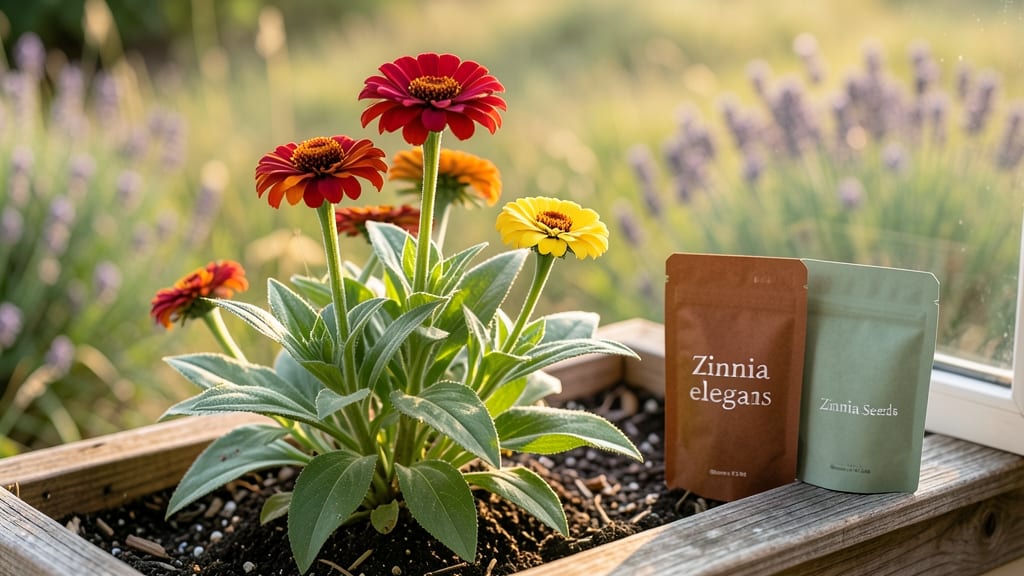
Zone 5’s unpredictable frosts shouldn’t stop you from growing vibrant blooms—these flower seeds thrive through your region’s chill. 🌸 I’ve tested varieties that push through late springs and early falls, from cosmos that bounce back after frost to marigolds that repel pests while blooming nonstop.
The secret isn’t just picking hardy seeds—it’s planting them at the right time (spring after frost or fall for early color) and giving them the right soil prep.
Most of these seeds can be direct-sown, but perennials like coneflowers and black-eyed Susans get a head start indoors 6-8 weeks before your last frost. I’ve even grown snapdragons from seed in Zone 5—they handle cooler temps better than you’d expect.
Just avoid soggy soil, and you’ll see germination in 7-14 days, with blooms arriving by midsummer. What you’ll end up with is a garden that outperforms store-bought plants—taller cosmos, bigger marigolds, and perennials that return year after year. The best part?
These flowers attract pollinators even when your veggies are still struggling in the cool soil. For late frosts, stick to microclimates near south-facing walls or use row covers. And if you’re impatient, start a few seeds indoors—just don’t overcrowd them.
Here’s how to pick the perfect varieties for your Zone 5 plot.
📚 In This Guide
- What you need
- Instructions
- Tips and common mistakes
- Wrapping up and next steps
What you need
- ● Flower seeds: Choose Zone 5-hardy varieties like Black-eyed Susans, Coneflowers, or Bee Balm (1–2 packets per flower type).
- ● Seed-starting mix: 1–2 bags (1 cubic foot each) of sterile, well-draining potting soil.
- ● Seed trays or small pots: 5–10 biodegradable or reusable containers (2–3 inches deep).
- ● Plant labels: 10–20 stakes or tags + a marker to track varieties.
- ● Gloves: 1 pair (gardening or nitrile for sensitivity).
- ● Small hand trowel: For transplanting seedlings.
- ● Spray bottle: 1 (8 oz) for gentle watering.
- ○ Pruners: Optional but handy for trimming (clean, sharp pair).
- ● Sunlight access: 6+ hours of direct sun daily (or grow lights for seedlings).
- ● Water source: Hose or watering can with a fine rose attachment.
- ● Patience: Zone 5’s short growing season means timing matters—start indoors 6–8 weeks before last frost!
Step-by-step guide to planting Zone 5 flower seeds for reliable blooms
Here’s the foolproof method I’ve used for years to get vibrant, hardy blooms in my Zone 5 garden.
🌱 Step 1: Select the Right Varieties for Zone 5 Conditions
Zone 5’s short growing season and cold winters demand cold-hardy annuals and perennials. I always choose varieties like Black-eyed Susan, Coneflower, and Shasta Daisy—they thrive in full sun and well-draining soil, handling our hot summers and freezing winters with ease. Avoid tender tropical flowers like Marigolds or Petunias unless you’re starting them indoors early.
Check seed packets for cold-hardiness ratings—look for varieties labeled "Zone 3-8" or "Zone 4-9" to ensure they’ll survive your area’s last frost date (typically mid-April to early May in Zone 5). I like to group seeds by bloom time—early bloomers like Sweet Alyssum for spring, mid-season Zinnias for summer, and late-season Cosmos for fall color.
💧 Step 2: Prepare Soil and Plant at the Right Time
Test your soil’s drainage—Zone 5’s clay-heavy soils can drown seeds. Amend with 2-3 inches of compost or sand to improve aeration. I plant cold-hardy annuals like Lupine and Snapdragons 4-6 weeks before the last frost, while perennials like Daylilies can go in early spring as soon as the ground thaws.
Scatter seeds ¼ inch deep—most Zone 5 flowers don’t need light to germinate, but Cosmos and Sunflowers should be planted ½ inch deep for better moisture retention. Water gently with a fine mist until the soil is evenly damp (not soggy). Use a soil thermometer—seeds need soil temps of at least 50°F to germinate reliably.
☀️ Step 3: Provide Consistent Moisture and Sunlight
After germination, keep soil consistently moist (not waterlogged) until seedlings develop true leaves. I use drip irrigation or a soaker hose to avoid disturbing tender sprouts. Zone 5’s unpredictable spring rains can cause damping-off, so I water in the early morning to let foliage dry before evening.
Most Zone 5 flowers need 6-8 hours of full sun daily. If your garden gets partial shade, opt for Rudbeckia, Black-Eyed Susan, or Coreopsis—they tolerate light shade better than sun-lovers like Sunflowers or Zinnias. Watch for leggy growth (thin, stretched stems)—this means your plants aren’t getting enough light.
✂️ Step 4: Thin Seedlings and Deadhead for Longer Blooms
Once seedlings reach 2 inches tall, thin them to 6-12 inches apart (check packet spacing). I use scissors to snip weak seedlings at soil level—this prevents disturbing roots of remaining plants. Deadhead spent blooms (remove faded flowers) every 2-3 weeks to encourage continuous flowering through the season.
Fertilize lightly with a balanced 10-10-10 formula 4-6 weeks after planting, but avoid overdoing it—Zone 5’s hot summers can scorch plants if soil nutrients are too rich. I mulch with 2 inches of straw to retain moisture and suppress weeds, which is especially helpful during dry spells.
⏰ Step 5: Prepare for Winter and Next Year’s Blooms
In late fall, cut back annuals to the ground and compost them. For perennials, leave dead foliage until spring—it insulates roots during Zone 5’s freezing winters. I mark perennial beds with stakes so I don’t accidentally dig them up in spring.
Take notes on which varieties thrived and which struggled—this helps refine your selections for next year. Coneflowers and Black-Eyed Susans always return strong for me, while Lupines sometimes need extra winter protection with a thick layer of mulch. By late winter, I start indoor seedling trays for early spring planting to extend the bloom season.
Tips & tricks for reliable Zone 5 blooms
Here's what nobody tells you about getting foolproof results with your Zone 5 flower seeds—these are the details that separate a decent garden from one that truly thrives.
Variety Selection: When choosing seeds, pay special attention to the maturity dates listed on packets. In Zone 5, you need varieties that mature within 60-90 days to ensure they bloom before our first frost (usually mid-October). I always cross-reference with my local extension office's frost date data—this is the single biggest factor in reliable blooms. For example, Sunflowers like 'Autumn Beauty' mature in 85-90 days, while Zinnias like 'Benary's Giant' bloom in just 60 days—perfect for our short season.
Soil Prep Strategy: The 2-3 inches of compost recommendation isn't just about nutrients—it's about creating the right soil structure. Zone 5's clay soils can be dense enough to suffocate seeds. I take it a step further by mixing in perlite or vermiculite (about 10% by volume) to improve aeration without changing the soil's fertility. This prevents the classic "damping-off" problem where seedlings rot at the base due to poor air circulation. Think of it as giving your seeds a chance to breathe before they even sprout.
Germination Conditions: That 50°F minimum soil temperature is non-negotiable, but here's the secret: use a seedling heat mat ($20 at garden centers) if your spring nights stay cool. These keep soil temps consistently above 50°F even when daytime highs are only 60°F. I've seen germination rates jump from 50% to 90% with this simple addition. Also, cover your seed beds with clear plastic domes or even plastic wrap to trap heat—just remove them once sprouts appear to prevent overheating.
Winter Protection: For perennials like Coneflowers and Daylilies, the dead foliage insulation works wonders, but I add an extra layer of protection for first-year plants. After the first hard frost, I mound 4-6 inches of straw mulch around the base of young perennials. This creates an insulating barrier that can protect roots down to 10°F—well below Zone 5's average winter lows. It's like giving your plants a cozy blanket for the winter months.
Pro Tips for Flower Seeds For Zone 5
- Here's what nobody tells you about getting foolproof results with your Zone 5 flower seeds—these are the details that separate a decent garden from one that truly thrives.
- Variety Selection: When choosing seeds, pay special attention to the maturity dates listed on packets.
- Soil Prep Strategy: The 2-3 inches of compost recommendation isn't just about nutrients—it's about creating the right soil structure.
Frequently asked questions
Got questions about growing flower seeds in Zone 5? You’re in the right place! Here are answers to the most common concerns—from timing to troubleshooting—to help you cultivate a vibrant garden with confidence.
When is the best time to plant flower seeds in Zone 5?
Most annuals and tender perennials should be sown after the last frost (typically late April to early May in Zone 5). Cool-season flowers like pansies or snapdragons can go in early spring or fall. Check your seed packet for specific guidelines—some varieties (like cosmos) tolerate light frost!
Can I plant flower seeds in Zone 5 in early spring?
Yes, but only for cold-hardy varieties like sweet peas, calendula, or hardy annuals. Start seeds indoors 6–8 weeks before the last frost for a head start. If sowing directly outdoors, use row covers to protect seedlings from late frosts (Zone 5 can still dip below 20°F!).
What if my flower seeds don’t germinate in Zone 5?
First, check moisture—seeds need consistent dampness (not soggy soil). Ensure temps are ideal (most seeds prefer 60–75°F); Zone 5’s cool soil may slow germination. Try soaking seeds overnight or using a seed starter mat. If issues persist, test seed viability by crushing a few—if they smell musty, they’re likely old.
Are there easy flower seeds for beginners in Zone 5?
Start with self-seeding annuals like cosmos, zinnias, or marigolds—they’re drought-tolerant and thrive in Zone 5’s heat. Perennials like black-eyed Susans or bee balm return yearly with minimal effort. For instant color, try pansies or violas; they bloom even in cool weather!
Can I save seeds from flowers grown in Zone 5?
Yes, but only from open-pollinated varieties (avoid hybrids like petunias). Let flowers fade naturally, collect mature seeds, and dry them in a cool, dark place. Store in a sealed container for 1–2 years. Pro tip: Label seeds with the plant name and date to avoid mix-ups!
Wrapping up and next steps
Growing flowers in Zone 5 is totally doable with the right hardy seeds! Whether you're a beginner or a seasoned gardener, choosing cold-resistant varieties ensures vibrant blooms year after year. Start small, experiment with colors, and enjoy the beauty of your garden—your green thumb is closer than you think!
🌱 Your Next Step:
- Pick your top 3 favorite seeds from this list and order them today!
- Mark your calendar for spring planting dates (or fall for perennials).
- Join a local gardening group for tips and inspiration!