
Plants
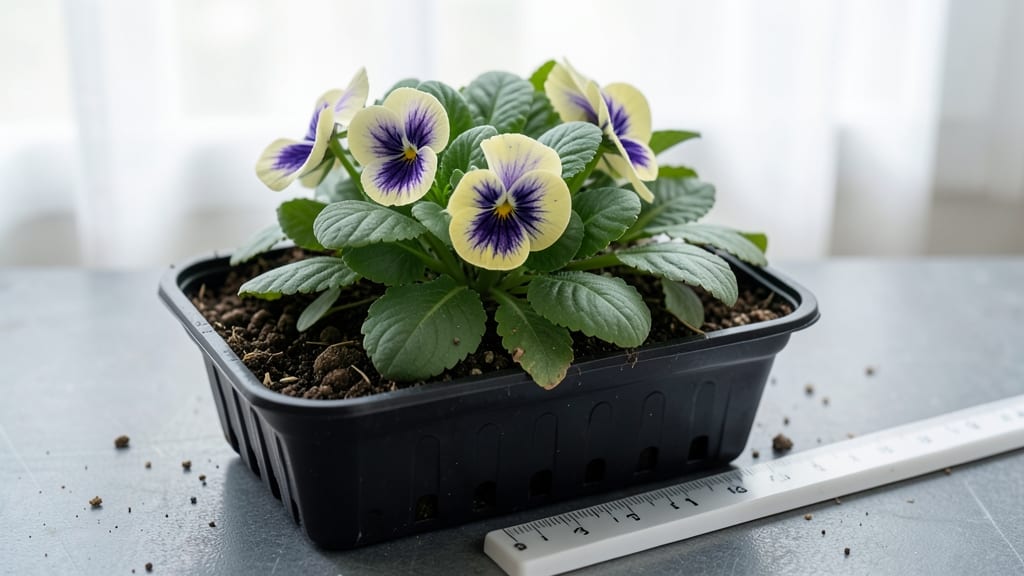
Pansy seeds look like tiny, elongated teardrop shapes measuring about 1/16-inch long, with a wrinkled, dark brown to black surface and a glossy sheen when fresh. They resemble tiny coffee beans or miniature kidney beans in appearance.
These seeds are often mistaken for other tiny floral seeds, but their unique shape and texture set them apart. 🔥 The elongated teardrop form is their most distinctive feature, making them easily identifiable when compared to rounder seeds like nasturtiums or the flatter shapes of snapdragon seeds.
Fresh pansy seeds also have a subtle shine that helps distinguish them from dried-out specimens, which lose their glossy finish over time.
When harvesting, you'll find them nestled inside papery seed pods that split open when mature. The pods typically appear after flowering, and each one can contain dozens of these tiny seeds.
I always recommend collecting them in the late afternoon when humidity is lower, as this helps preserve their moisture content and viability for longer storage periods.
The dark brown to black coloration isn't just for show—it's nature's way of protecting the seeds from excessive light exposure, which can reduce germination rates. This pigmentation also helps them stand out against the lighter-colored seed pods, making them easier to spot during collection.
💡 In This Article
- Identifying Pansy Seeds: Size, Shape, and Color Details
- How to Collect and Store Pansy Seeds Properly
Identifying pansy seeds: size, shape, and color details
The true magic of pansy seeds lies in their elongated teardrop shape, which sets them apart from most other flower seeds. At just 1/16-inch (1.6mm) long, they're about half the size of a sesame seed but with a more pronounced curvature.
Hold one under a magnifying glass and you'll see the wrinkled texture that resembles a tiny, dried-up raisin—this isn't just random, it's nature's way of creating surface area for better moisture absorption when they're ready to germinate.
Color-wise, fresh pansy seeds exhibit a dark brown to nearly black hue with an almost metallic sheen, like polished river rocks.
This gloss comes from the seed coat's waxy cuticle that helps prevent moisture loss. 💫 What's fascinating is how this color fades to a duller brown as seeds dry out—something that happens within 24-48 hours after collection if not stored properly.
Compare this to violet seeds, which are much smaller (1/32-inch) and have a matte, lighter brown appearance, or snapdragon seeds which are flatter and more oval-shaped.
The seed's density is another key identifier—pansy seeds feel surprisingly heavy for their size when you gently press them between your fingers. This weight comes from their high oil content (about 15-20% by weight), which provides energy for the young seedling.
Snapdragons, by contrast, have much lighter seeds due to their lower oil content (5-8%). The oil also contributes to that initial glossy sheen, which disappears as the oils oxidize during storage.
Here's where things get practical: when comparing pansy seeds to common kitchen items, think of them as miniature kidney beans that have been stretched lengthwise. Their ends are slightly tapered, with one side being more rounded than the other—a characteristic that helps them orient properly when germinating.
This asymmetry is crucial because it prevents them from rolling away in wind or rain, which could happen with more symmetrical seeds like nasturtiums.
One common mistake gardeners make is confusing pansy seeds with viola seeds (their close relatives). The key difference?
Viola seeds are rounder and flatter, often with a slight wing-like extension, while pansy seeds maintain that consistent teardrop shape throughout. 🔥 This shape difference affects how they're dispersed—pansy seeds tend to fall straight down from their pods, while viola seeds can be carried short distances by wind due to their flatter profile.
For the visually inclined, here's a quick comparison table of key identifying features:
- Pansy seeds: 1/16-inch long, teardrop shape, dark brown/black, glossy when fresh, 15-20% oil content
- Viola seeds: 1/32-inch, round/flattened, light brown, matte finish, 8-12% oil content
- Snapdragon seeds: 1/8-inch, oval/flat, tan/brown, papery texture, 5-8% oil content
The next time you're examining these tiny wonders, pay special attention to how they catch the light—their glossy sheen is your best indicator of freshness and viability. Seeds that have lost their shine may still germinate, but the rate drops significantly after 6-8 months of storage. 💫