
Lawn
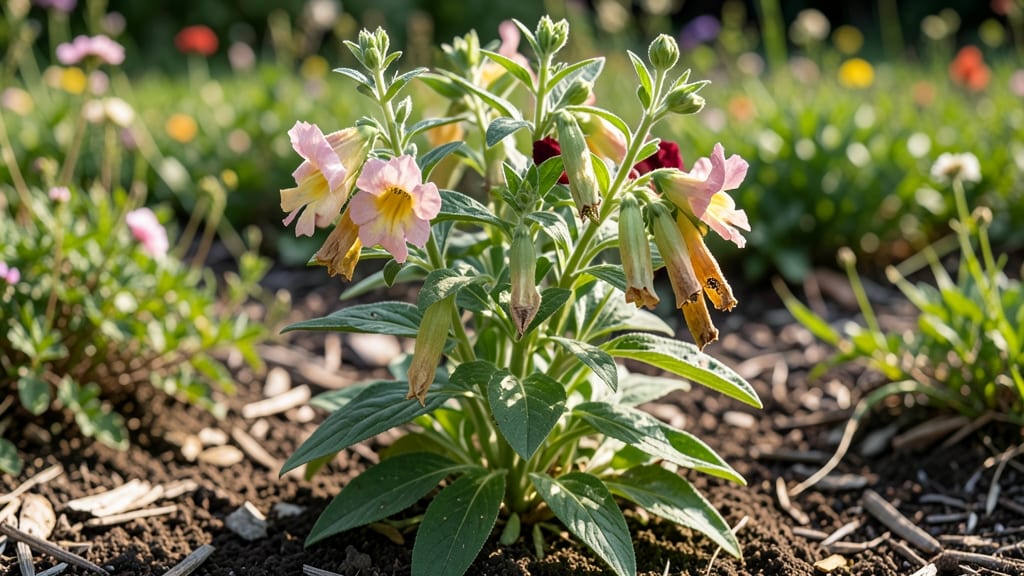
Harvesting snapdragon seed pods saves you money and guarantees next year’s vibrant blooms—if you do it right. 🌸 The key is timing: pods turn from green to brown when mature, but twist open before you can collect seeds, scattering them everywhere.
I’ve perfected a simple method that keeps seeds intact and ready for storage.
Start by identifying fully brown, slightly papery pods—these are ready for harvest. Use clean scissors or pruners to snip them off the stem, then place them in a paper bag to dry for 2-3 weeks in a warm, dry spot.
The paper lets moisture escape while keeping seeds contained. Once completely dry, gently squeeze the pods to release seeds into the bag.
Store the sealed bag in a cool, dark place like your pantry or fridge, where seeds stay viable for 2-3 years. When planting next spring, scatter them on fresh soil—no need for stratification.
You’ll see those familiar snapdragon spikes emerging in just 6-8 weeks, proving your patience paid off.
For best results, harvest on a dry day to prevent mold, and avoid mixing varieties to prevent cross-pollination. If you’re growing multiple colors, label your bags to keep track. This method works for both heirloom and hybrid snapdragons, ensuring your garden stays as colorful as ever.
📚 In This Guide
- What you need
- Instructions
- Tips and common mistakes
- Wrapping up and next steps
What you need
- ● Mature snapdragon plants (fully bloomed with dried seed pods—typically late summer to early fall).
- ● Scissors or pruning shears (sharp, clean, and sterilized to avoid disease transfer).
- ● Brown paper bags or breathable seed-saving envelopes (4–6 bags, depending on yield).
- ● Newspaper or parchment paper (for drying seed pods indoors).
- ● Small mesh bags or fine sieve (to separate seeds from chaff).
- ● Air-tight storage containers (glass jars, plastic containers with tight lids, or resealable bags).
- ● Permanent marker (to label containers with plant variety and harvest date).
- ○ Desiccant packets (optional) (for long-term storage to absorb moisture).
- ● Dry, warm conditions (ideal for harvesting—avoid damp or rainy days).
- ● Indoor space with good airflow (for drying pods, ~70–75°F is perfect).
- ● Sunny windowsill or a dehydrator (if pods need extra drying time).
Step-by-Step instructions for harvesting snapdragon seed pods
Ready to save seeds without the frustrating twist? Here's my foolproof method for collecting snapdragon seeds that stay viable for next season.
🌿 Step 1: Identify Mature Seed Pods
Wait until pods turn from green to brown and begin splitting open naturally. This usually happens in late summer to early fall, depending on your climate. Gently squeeze a pod—if it releases seeds easily, it's ready. Avoid harvesting pods that are still green or firm, as they won't contain mature seeds.
Here's the thing—don't wait too long. Once pods fully split open, seeds scatter everywhere, and you'll lose your harvest. I like to check plants every 3-4 days during this stage. Look for pods that are dry and papery to the touch, with no green remnants inside.
✂️ Step 2: Harvest Pods Without Damaging Plants
Use clean scissors or pruning shears to snip pods from the stem, leaving about ½ inch of stem attached. This prevents damaging the plant and makes it easier to handle the pods later. Place harvested pods in a paper bag (not plastic—it traps moisture and causes mold).
Real talk: don't pull pods off by hand. You'll end up crushing some and losing seeds. Snipping cleanly ensures you get every viable seed. I harvest on a dry morning after dew has evaporated, which helps pods stay dry and prevents mold during storage.
🪴 Step 3: Dry and Process the Pods
Spread the pods in a single layer on a clean, dry surface like a baking sheet or cardboard box. Place them in a warm, dry, well-ventilated area (like a sunny windowsill or seed drying rack) for 7-10 days. Stir them gently once daily to ensure even drying. They're ready when they feel completely dry and brittle to the touch.
If you live in a humid climate, drying may take longer. A dehumidifier or fan nearby helps speed up the process. Avoid direct sunlight—it can overheat the pods and reduce seed viability. You'll know they're fully dry when they shatter easily when rubbed between your fingers.
🌱 Step 4: Extract and Store Seeds Properly
Once pods are dry, place them in a paper bag and shake gently to release seeds. Remove any debris or empty pod fragments by hand. Store seeds in a sealed envelope or airtight container with a silica gel packet to absorb moisture. Label with the variety and harvest date—snapdragon seeds stay viable for 2-3 years when stored this way.
Don't skip the silica gel—it's the secret to preventing mold and maintaining seed freshness. Keep containers in a cool, dark place like a pantry or refrigerator. Check seeds annually and replant within 3 years for best germination rates. I always test a few seeds each year to confirm viability before committing to a full planting.
Tips & tricks for perfect snapdragon seed pod harvesting
Common pitfalls—and how to sidestep every one. These small details make all the difference between a frustrating seed loss and a successful harvest.
Timing Secret: In Step 1, those 3-4 days between checks are crucial. I've learned the hard way that waiting too long means seeds scatter before you can collect them. Set a reminder on your phone for the same day each week during harvest season—consistency is key. The pods will tell you when they're ready: they'll start splitting open naturally, and a gentle squeeze should release seeds easily. If you're unsure, check one pod daily until you see this change.
Harvesting Technique: Step 2's advice about leaving ½ inch of stem attached is a game-changer. I used to pull pods off entirely, which crushed some and made handling messy. The little extra stem gives you something to grip without damaging the pod. Also, harvesting on dry mornings prevents moisture buining up in the pods—this simple habit has saved me from moldy batches. Use sharp scissors to avoid crushing, and always work on a clean surface to prevent contamination.
Drying Strategy: The 7-10 day drying period in Step 3 can feel like forever, especially if you're eager to store seeds. But rushing this step is what causes mold and reduced viability. I've found that placing a small fan nearby (not blowing directly on pods) creates gentle airflow that speeds up drying without overheating. Stirring daily ensures even drying—don't skip this! You'll know pods are ready when they shatter easily between your fingers, like dry cornflakes. This test is foolproof for determining perfect dryness.
Storage Wisdom: That silica gel packet in Step 4 isn't optional—it's the secret weapon against mold. I keep extra packets in my seed storage containers year-round. For extra protection, I add a tiny packet of rice (about 1 tablespoon) to each container. The rice absorbs moisture too, and you can see when it's saturated by checking for clumping. Labeling with both variety and harvest date helps you track seed age—critical information when testing germination rates later.
Pro Tips for Snapdragon Seed Pods
- Common pitfalls—and how to sidestep every one.
- Timing Secret: In Step 1, those 3-4 days between checks are crucial.
- Harvesting Technique: Step 2's advice about leaving ½ inch of stem attached is a game-changer.
Frequently asked questions
Got questions about harvesting, storing, or using snapdragon seed pods? You’re in the right place! Here are answers to the most common queries—from timing to troubleshooting—so you can save seeds like a pro.
When is the best time to harvest snapdragon seed pods?
Harvest seed pods when they’re dry and brown but before they split open (usually late summer to early fall). If pods crack prematurely, seeds may scatter or lose viability. Wear gloves—some varieties have prickly pods!
How long can I store snapdragon seeds?
Store seeds in a cool, dry place (like a sealed envelope or jar) for up to 3 years. For best results, keep them in the fridge (35–40°F) to slow moisture loss. Label pods with the variety and harvest date to avoid mix-ups!
What if my seed pods won’t open naturally?
If pods stay closed, gently twist or squeeze them to release seeds. Avoid crushing—this can damage viability. For stubborn pods, place them in a paper bag for a few days; the seeds will often fall out on their own.
Can I grow snapdragons from store-bought flowers?
Yes! Save seeds from healthy, homegrown snapdragons (store-bought flowers are often hybridized and may not produce true-to-type plants). Focus on open-pollinated varieties like ‘Black Knight’ or ‘Matrix’ for reliable seed saving.
Why are my seeds not germinating?
Check these fixes:
- Freshness: Older seeds (over 3 years) may need stratification (chill for 2–4 weeks).
- Moisture: Keep soil consistently damp (not soggy) during germination.
- Light: Snapdragons need sunlight to sprout—place trays in a bright spot.
Wrapping up and next steps
Harvesting snapdragon seed pods doesn’t have to be a twisty mess—with the right timing and techniques, you can collect viable seeds for next year’s garden with ease! 🌱 Whether you’re a seasoned gardener or just starting out, these pods offer a rewarding way to save money and ensure your favorite blooms return stronger than ever.
Now that you’re armed with the know-how, why not grab a pair of gloves and head to your garden? Try harvesting a few pods today, and soon you’ll be sharing your own homegrown snapdragon seeds with fellow plant enthusiasts!