
Lawn
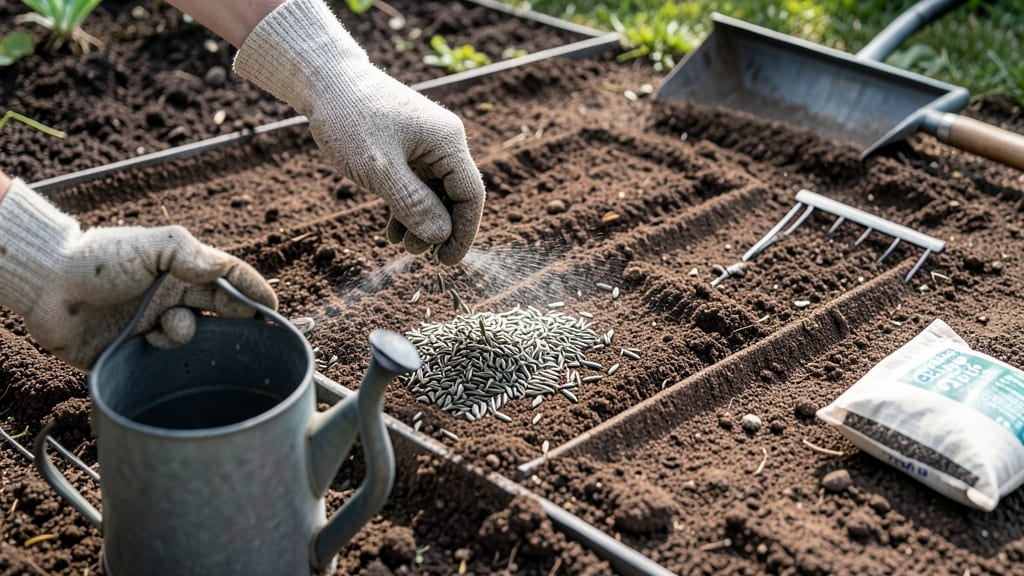
Fall is the secret weapon for putting grass seed down—cooler temps and steady rain create the perfect conditions for germination. 🌱 I remember my first fall seeding: the grass sprouted within 10 days, while spring attempts took twice as long.
The key is timing—plant before the first frost but after summer heat fades, usually between late August and October depending on your zone.
Prep is everything: till the soil, rake smooth, and test pH (aim for 6.0-7.0). Choose seed blends suited to your climate—cool-season grasses like tall fescue or Kentucky bluegrass thrive in northern regions, while Bermuda or Zoysia work better in southern heat.
A light top layer of straw protects seeds from birds and keeps moisture in.
After planting, water lightly daily—just enough to keep soil damp, not soggy. Within 2-3 weeks, you’ll see vibrant green shoots. The fall-grown roots establish deep before winter, giving you a thicker, more resilient lawn by spring. No more patchy, slow-starting grass—just lush, even coverage.
Regional tweaks matter: in warm southern zones, seed in early fall; in cold northern areas, aim for late summer. Avoid common mistakes like overwatering or using weed killer before seeding. With this method, your lawn will outperform spring plantings every time—guaranteed.
📚 In This Guide
- What you need
- Instructions
- Tips and common mistakes
- Wrapping up and next steps
What you need
- ● High-quality grass seed: Choose a blend suited to your climate (e.g., tall fescue or ryegrass for cool seasons). Aim for 5–10 lbs per 1,000 sq ft, depending on your lawn’s condition.
- ● Lawn fertilizer: Select a fall-specific formula (10-0-20 or similar) with slow-release nitrogen to support germination. Use ½ lb of nitrogen per 1,000 sq ft.
- ○ Soil amendment (optional but helpful): Compost (½ inch layer) to improve soil structure.
- ● Lime (if soil pH is below 6.0—test first!).
- ● Broadcast spreader (for even seed distribution) or a hand-held spreader (for smaller areas).
- ● Rake (a bendable steel rake for seed-to-soil contact).
- ● Garden hose with a spray nozzle (for light, frequent watering).
- ● Soil tester kit (to check pH and nutrient levels before seeding).
- ○ Lawn roller (optional) (for compacting seed into soil—only if soil is dry).
- ● Mow existing grass short (1–1.5 inches) before seeding.
- ● Remove thatch (layer of dead grass) if it’s ½ inch or thicker.
- ● Choose a calm, dry day (50–70°F) for seeding to avoid washing away seed.
- ● Wait 2–4 weeks after herbicide use (check product guidelines).
Step-by-Step instructions for fall grass seed germination
Fall planting gives your lawn the best start—cooler temps and steady moisture work magic.
🌱 Step 1: Prepare the Soil for Optimal Seed Contact
Start by mowing your lawn shorter than usual—about 1 inch—to create an even surface for seed placement. This prevents clumps from blocking light or burying seeds too deep. Rake away any remaining debris, then use a stiff-bristled rake to loosen the top ¼ inch of soil. You’ll see small furrows appear; these are perfect for seed-to-soil contact.
Test your soil’s moisture by squeezing a handful—it should hold together but not be soggy. If it’s dry, water lightly until the top inch feels damp. Fall’s natural rainfall helps here, but don’t rely on it entirely. This prep ensures seeds won’t dry out before germination.
💧 Step 2: Spread Seed Evenly for Uniform Germination
Use a broadcast spreader for large areas—it delivers ¼ pound of seed per 100 square feet—or a hand spreader for smaller patches. Walk in a crisscross pattern to avoid missed spots. For high-traffic areas, increase to ½ pound per 100 sq ft to withstand wear.
Lightly rake the area again to press seeds into the soil, ensuring no more than ¼ inch of coverage. Burying seeds deeper than this delays germination because they need light to sprout. If you’ve ever planted seeds too deep and waited weeks for sprouts, you know how critical this step is.
☀️ Step 3: Keep Moisture Consistent Until Sprouts Appear
Water gently but thoroughly right after planting—aim for ¼ inch of water daily for the first 2 weeks. Use a rain gauge or tuna can to measure; you’ll see water pooling slightly but not running off. Avoid overhead sprinklers that can wash seeds away. Instead, use a soaker hose or misting nozzle for even coverage.
Watch for the first sprouts in 7-14 days—they’ll appear as tiny, grass-like blades about ½ inch tall. Once they reach 2-3 inches, you can reduce watering to twice weekly unless your area experiences drought. Fall’s cooler temps mean less evaporation, so you’ll spend less time fussing with the hose.
✂️ Step 4: Maintain and Protect New Growth
Wait until new grass reaches 3-4 inches tall—about 6-8 weeks after planting—before your first mow. Set your mower to 3 inches to encourage deep root growth. Never remove more than ⅓ of the blade height at once; scalping stresses young grass and invites weeds.
Keep foot traffic to a minimum for the first month. If pets or kids track in soil, gently rake the area smooth to prevent seedling damage. Fall’s mild weather means you won’t have to battle heat stress or drought, but a light layer of mulch (like straw) can help retain moisture if your area gets windy.
🌿 Step 5: Transition to Winter Care
Once your lawn is established, reduce watering to once weekly unless temperatures drop below 40°F at night. Cold snaps can slow growth, but the grass will stay dormant until spring. Avoid fertilizing after October 1st—new growth encourages winter damage. Instead, let the grass go dormant naturally.
In early spring, you’ll notice the first signs of regrowth—tiny shoots pushing through the thatch. This is your cue to resume mowing at 3 inches and light feeding. Fall-planted grass has a head start, so you’ll see thicker, greener coverage earlier than spring plantings. That’s the payoff for timing it right.
Tips & tricks for perfect fall grass seed germination
Fall planting is your golden opportunity—here’s how to turn that potential into a lush, thriving lawn without the common pitfalls.
The Soil Prep Secret: In Step 1, when you’re loosening that top ¼ inch of soil, focus on creating a fine, crumbly texture—not powdery dust. Think of it like fluffing a pillow: you want just enough aeration for roots to penetrate easily, but not so much that seeds get buried deeper than ¼ inch. I’ve seen too many lawns fail because seeds were tucked too snugly in compacted soil. A quick test—press your thumb into the soil after raking; it should leave a slight indentation that holds its shape.
Seed Distribution Strategy: For Step 2, if you’re using a hand spreader, walk in a grid pattern rather than the typical crisscross. This ensures you don’t double-up on some areas while leaving gaps elsewhere. Pro tip: after spreading, do a quick visual sweep from a few feet back—you should see an even, uniform layer without clumps. And remember, that ¼ inch coverage is critical; seeds need light to germinate, not darkness.
Watering Wisdom: The ¼ inch daily for two weeks in Step 3 might sound like a lot, but here’s the trick: water in the early morning so the lawn has all day to dry slightly before evening. This prevents fungal growth while keeping seeds consistently moist. I use a rain gauge to measure—it’s the only way to avoid over- or under-watering. And if rain falls during those first two weeks, you can skip a day’s watering since nature’s doing the work for you.
First Mow Timing: Waiting until 3-4 inches in Step 4 is non-negotiable, but here’s what nobody tells you: the grass will grow faster than you expect in fall’s mild weather. Set a reminder to check weekly starting at 4 weeks—you’ll be surprised how quickly those blades reach mowing height. And when you do mow, never cut more than ⅓ of the blade height at once; think of it like trimming your hair—gradual cuts prevent stress.
Pro Tips for Putting Grass Seed Down In Fall
- Fall planting is your golden opportunity—here’s how to turn that potential into a lush, thriving lawn without the common pitfalls.
- The Soil Prep Secret: In Step 1, when you’re loosening that top ¼ inch of soil, focus on creating a fine, crumbly texture—not powdery dust.
- Seed Distribution Strategy: For Step 2, if you’re using a hand spreader, walk in a grid pattern rather than the typical crisscross.
Frequently asked questions
When is the exact best time to plant grass seed in the fall?
The ideal window is 4-6 weeks before your first hard frost—typically late August to early October in most U.S. regions. This gives seeds time to germinate and establish roots before winter dormancy. Check your local frost dates or use a seed packet’s recommended timing for precision.
Can I still plant grass seed if frost is already here?
No—seeds need consistent warmth (50–65°F soil temps) to germinate. If frost is imminent, wait until spring. However, overseeding cool-season grasses (like fescue or ryegrass) in early spring can also work if fall planting is missed.
How often should I water after planting?
Keep soil consistently moist (not soggy) for the first 2–3 weeks. Water lightly 2x daily (morning/evening) for 10–15 minutes, then taper to 1x daily once sprouts appear. Use a sprinkler with fine mist to avoid displacing seeds.
What if my lawn has weeds or pests after planting?
Wait 4–6 weeks before applying herbicides (post-emergent only) to avoid harming new grass. For pests (like grubs), use organic nematicides or reapply seed in thin areas. Pre-emergent herbicides should never be used in fall.
Is fall seeding better than spring for my lawn type?
Yes!
Fall is ideal for cool-season grasses (Kentucky bluegrass, fescue, ryegrass) because cooler temps reduce stress and weeds. Warm-season grasses (Bermuda, Zoysia) should be seeded in late spring/early summer instead.
Wrapping up and next steps
Fall is the perfect time to transform your lawn—cooler temps and gentle rains create ideal conditions for grass seed to thrive! 🌱 By following these steps, you’ll set the stage for a lush, resilient lawn next spring. Don’t wait—grab your supplies, prep your soil, and sow those seeds before winter sets in!
Ready to take the next step? Mark your calendar for early fall (late August to October, depending on your zone) and start planning your project. With patience and care, you’ll soon enjoy a vibrant lawn that’s the envy of the neighborhood. Happy seeding!