
Plants
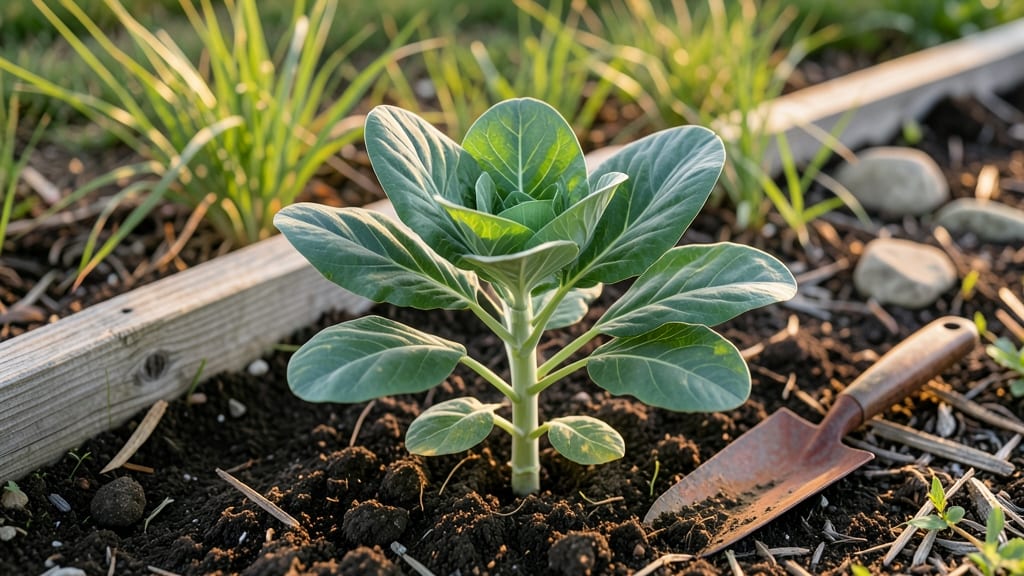
These young plants are easy to recognize once you know what to look for.
The first true leaves—distinct from the initial cotyledons—appear with a slightly wrinkled texture and jagged edges, setting them apart from other greens like kale or mustard. 🌱 I've noticed that collard seedlings often develop a slight bluish tint in cooler weather, which fades as they mature.
Their compact growth habit helps them conserve moisture, making them hardy even in less-than-ideal conditions.
One key trait is their rosette formation, where leaves grow close to the stem in a circular pattern. This differs from mustard greens, which tend to grow more upright. The thick stems also make them sturdier than many other seedlings, reducing the risk of damage from wind or handling.
💡 In This Article
- Identifying Collard Seedlings by Leaf Shape and Growth Stages
- Common Mistakes When Spotting Young Collard Plants
Identifying collard seedlings by leaf shape and growth stages
Collard seedlings begin their life with two cotyledons—the first leaves that emerge from the seed. These are typically round, smooth, and deep green, measuring about ½ inch to 1 inch in diameter.
Unlike true leaves, cotyledons lack the jagged edges and wrinkled texture that define mature collard foliage. 🌱 What sets them apart is their glossy surface, which helps conserve moisture during germination. These initial leaves serve as the plant's energy source until photosynthesis kicks in with the first true leaves.
The transition to true leaves is where collard seedlings reveal their signature traits. True leaves appear with slightly wrinkled surfaces and serrated or jagged edges, a key distinction from smooth-leaved seedlings like mustard greens.
These leaves grow in a rosette pattern, forming a tight circle around a thick, sturdy stem that can reach 3-5 inches tall within 3-4 weeks.
The edges of collard leaves often have a slightly wavy or lobed appearance, unlike the straighter edges of kale seedlings, which tend to be smoother and more uniform.
One fascinating detail is how collard seedlings adapt to temperature. In cooler weather (50-60°F), young leaves may develop a bluish-gray tint due to a waxy coating that protects against frost. This temporary color shift disappears as temperatures warm, leaving behind the classic deep green hue.
The rosette formation isn't just for show—it helps the plant maximize sunlight exposure while keeping leaves close to the stem, reducing water loss. This growth habit is a survival strategy that makes collards resilient in less-than-ideal conditions.
Comparing collard seedlings to other brassicas highlights their unique features. Mustard greens, for example, have narrower, more elongated leaves that grow upright, while kale seedlings often develop puckered leaves with a more pronounced curl.
Collard leaves, in contrast, remain broad and flat, with edges that resemble the veins of a maple leaf. This distinct shape is a dead giveaway when identifying young plants in a garden bed or seed tray.
Another standout trait is the thickness of the stem. Collard seedlings develop a sturdy, almost woody stem early on, which sets them apart from more delicate seedlings like spinach. This thickness provides structural support, allowing the plant to hold its rosette shape even in windy conditions.
The combination of wrinkled leaves, jagged edges, and a robust stem creates a visual signature that makes collard seedlings unmistakable once you know what to look for.
For gardeners, recognizing these traits early is crucial. The moment true leaves appear, you can start thinning seedlings to give each plant enough space (typically 12-18 inches apart for mature growth). This prevents overcrowding, which can lead to leggy, weak plants.
The rosette pattern also makes it easier to spot weeds—collards' organized growth contrasts sharply with the random, sprawling habits of many common weeds. 🌿