
Plants
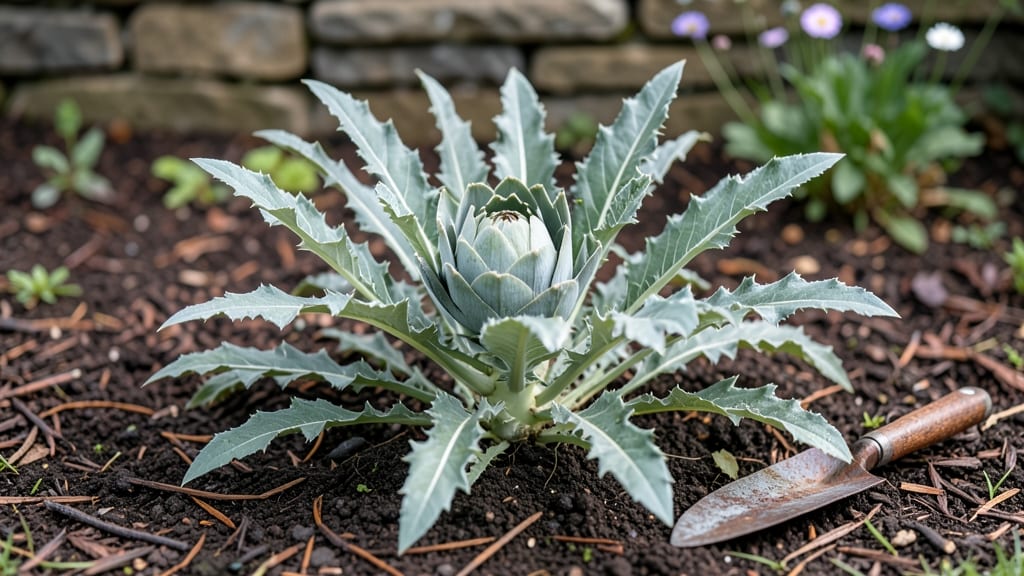
Artichoke seedlings look like tiny, fuzzy deep green leaves that start round and resemble miniature asparagus ferns, then develop into elongated, lobed leaves growing close to the ground in a rosette pattern.
Artichoke seedlings begin their life with cotyledons—those first baby leaves—that look like tiny, fuzzy green circles. 🌱 These early leaves are your best clue before the plant reveals its true identity.
As they mature, the leaves transform into the signature lobed shape that sets them apart from weeds like dandelions or chickweed. The key is watching for that transition from round to jagged edges, which happens within the first few weeks of growth.
What's interesting is how their growth pattern differs from other plants. Artichoke seedlings grow low to the ground, forming a tight rosette, while many weeds stretch upward immediately. This close-to-the-soil habit helps them conserve moisture, which is why they thrive in Mediterranean climates where they originally evolved.
💡 In This Article
- Identifying Artichoke Seedling Stages by Leaf Structure
- Tips to Differentiate Artichoke Seedlings from Common Weeds
Identifying artichoke seedling stages by leaf structure
Artichoke seedlings undergo a fascinating transformation that begins with their cotyledons—the first leaves that emerge from the seed.
These initial leaves are typically round, deep green, and fuzzy to the touch, measuring about 1/4 to 1/2 inch wide. 🌱 They resemble miniature asparagus ferns or tiny cabbage leaves, growing in a tight cluster right at the soil surface.
This fuzzy texture isn't just for show; it helps protect the delicate young leaves from dehydration and pests during their vulnerable early stages.
The real magic happens when the plant produces its first true leaves, which appear about 2-3 weeks after germination.
These leaves are where you'll see the signature artichoke characteristics: they're deeply lobed with jagged edges, typically 2-4 inches long, and grow in a rosette pattern close to the ground.
Unlike the smooth edges of many weeds, artichoke leaves have a distinctive serrated or slightly wavy margin that sets them apart. The leaves also have a slightly leathery texture when mature, which helps them retain moisture in dry conditions.
What's often overlooked is how the stem structure evolves at this stage. Young artichoke seedlings have a short, thick stem that stays close to the soil, while many weeds develop tall, thin stems early on.
This low-growing habit is a key identifier—artichokes prioritize leaf development over vertical growth, creating that classic rosette shape. 🌿 The leaves also grow alternately along the stem rather than in pairs, which is another distinguishing feature compared to plants like spinach or beets that have opposite leaf arrangements.
As the seedlings mature, you'll notice the leaves develop a slightly bluish-green hue on their undersides, particularly in cooler conditions. This coloration comes from a waxy coating that helps reduce water loss.
The leaves also become more segmented with deeper lobes as the plant ages, eventually resembling the mature artichoke plant's foliage. This progression from fuzzy cotyledons to lobed true leaves is what makes artichoke seedlings so distinctive when compared to other young plants in the garden.
One common point of confusion is distinguishing artichoke seedlings from thistle seedlings, which also have spiky leaves. The key difference is that thistle leaves are more needle-like and grow in a star pattern, while artichoke leaves are broader with rounded lobes.
Additionally, artichoke seedlings lack the prickly spines that characterize thistles. This distinction becomes crucial when you're deciding whether to nurture your young plants or pull them as weeds.
For gardeners, recognizing these stages is essential because it determines when you can safely transplant seedlings. The ideal time is when the true leaves have developed but before the plant becomes too large to handle—typically when the leaves reach about 3-4 inches in length.
At this stage, the root system is also well-established enough to support transplantation without shock. 🌱 Understanding these growth patterns helps you provide the right care at each developmental stage, from protecting young seedlings to preparing for transplanting.