
Vegetables
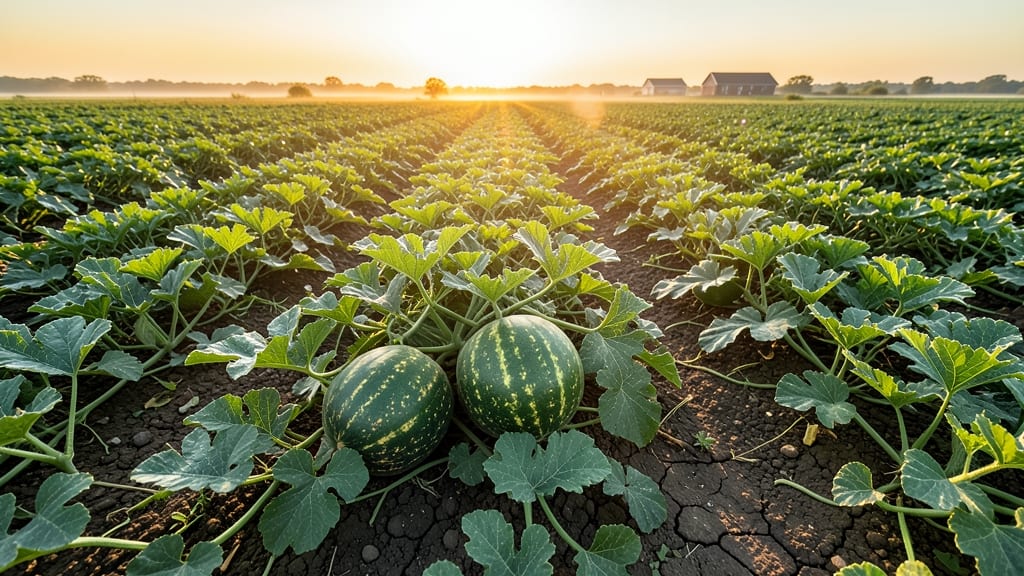
Georgia’s hot summers and humid climate demand vegetable seeds that thrive under pressure. These 10 heat-tolerant varieties deliver abundant harvests while resisting common pests and drought—perfect for both beginner and experienced gardeners.
Okra Seeds for Georgia Heat
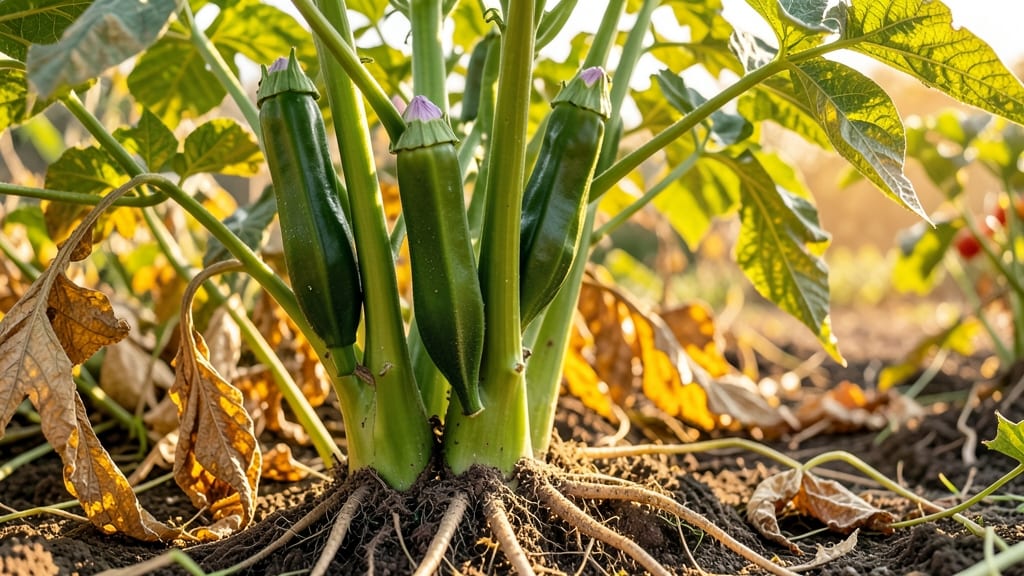
When other vegetables in your Georgia garden are wilting under the scorching sun, okra seeds become your secret weapon. This hardy Southern staple doesn’t just survive Georgia’s heat—it thrives in it, producing tender pods consistently even when temperatures soar past 90°F.
Okra’s deep roots access moisture from deep in the soil, making it one of the most drought-tolerant vegetables for Georgia’s climate. Plant seeds directly in well-drained soil after the last frost (around mid-April in most regions), and you’ll enjoy harvests from 50 to 120 days depending on the variety. For year-round production, succession plant every 2-3 weeks until early summer, and you’ll have fresh pods ready to pick continuously.
This low-maintenance powerhouse is perfect for busy gardeners or those with limited water resources. Plus, its edible flowers attract pollinators while adding beauty to your garden. 🌻
Sweet Potato Slips for Long Harvests
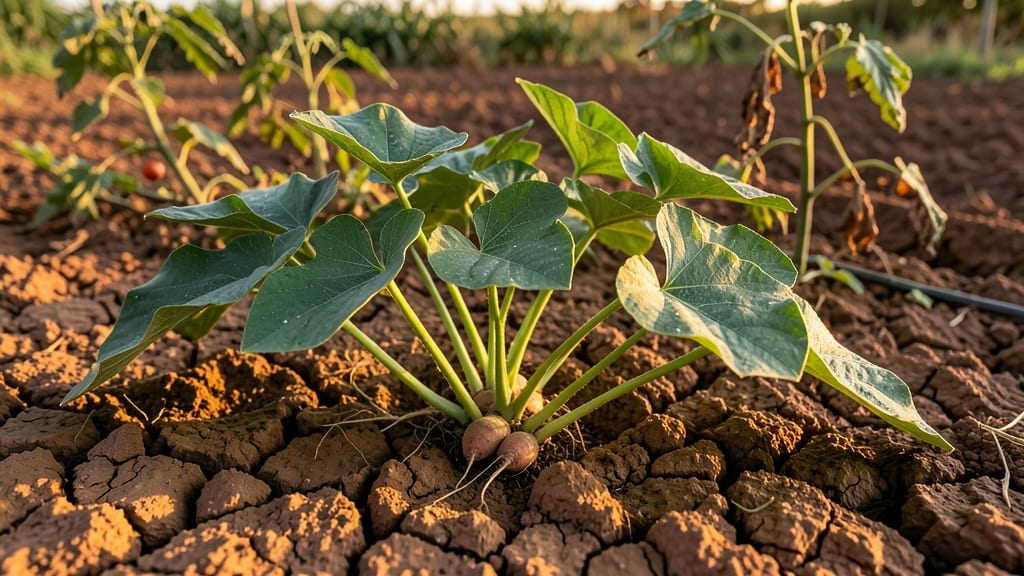
If you’ve ever struggled with Georgia’s heavy clay soil or battled summer droughts, sweet potato slips are your secret weapon. These hardy plants don’t just survive—they thrive in conditions that stump other vegetables, delivering sweet, storable tubers even when rainfall is scarce.
Plant your slips after the last frost (around April 15 in most of Georgia) in well-drained soil with full sun. Unlike traditional seeds, slips start producing edible tubers in just 90-120 days, making them ideal for fall harvests. Space plants 12-18 inches apart to allow vines to spread, and mulch heavily to retain moisture in the heat. Varieties like Beauregard or Georgia Jet are locally adapted and perfect for clay soil.
Sweet potatoes are a game-changer for gardeners who want low-maintenance crops with high rewards. Plus, the tubers store for months, giving you homegrown sweetness well into winter. 🌱
Black-Eyed Pea Seeds for Southern Gardens
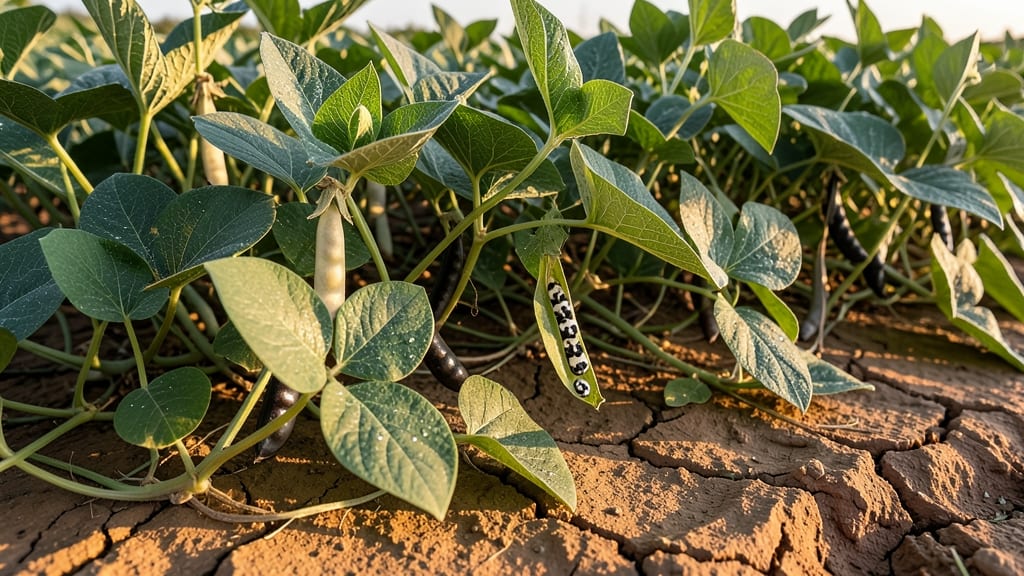
If you’re tired of struggling with water-intensive vegetables in Georgia’s heat, black-eyed peas are your secret weapon. These hardy legumes not only survive drought conditions but also enrich your soil with nitrogen, making them a two-for-one crop for Southern gardens.
Plant seeds in early spring (February-March) or late fall (September-October) when temperatures are mild, and they’ll thrive in full sun with just 1-2 inches of water per week. The purple-flowered varieties like ‘Purple Hull’ or ‘Crowder’ produce sweet, edible pods and seeds perfect for salads, soups, or hummus.
These peas are especially valuable for gardeners with poor soil or limited water access, as they improve fertility for future crops. Plus, their fast-growing nature (60-70 days to harvest) means you’ll see results quickly. 🌻
Collard Greens Seeds for Year-Round Growth
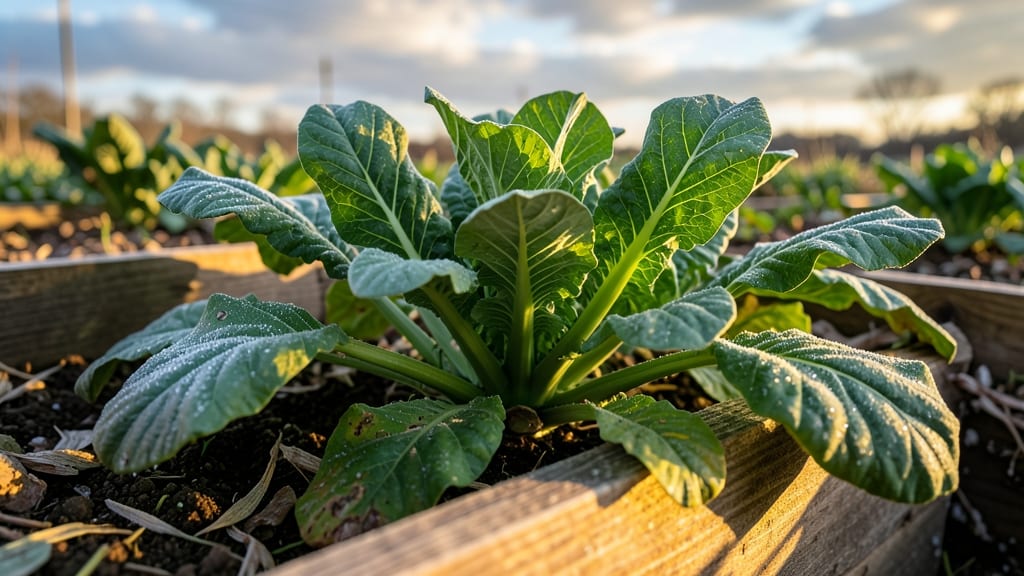
Want a vegetable that keeps producing fresh leaves even when other crops struggle? Collard greens are Georgia’s secret weapon for year-round harvests, thriving in both winter chill and summer heat—no fancy greenhouses required.
These cold-hardy greens handle light frosts down to 20°F and won’t bolt in Georgia’s humidity. Plant seeds in early spring or late summer for fall/winter crops, or succession-sow every 3 weeks for continuous harvests. Varieties like Georgia Southern or Blue Max produce tender leaves perfect for sautéing or soups—ideal for Southern cooks.
Perfect for beginners or small spaces, collards grow well in containers or raised beds. Their low-maintenance nature makes them a must-have for any Georgia garden. 🌿
Cantaloupe Seeds for Georgia Summers
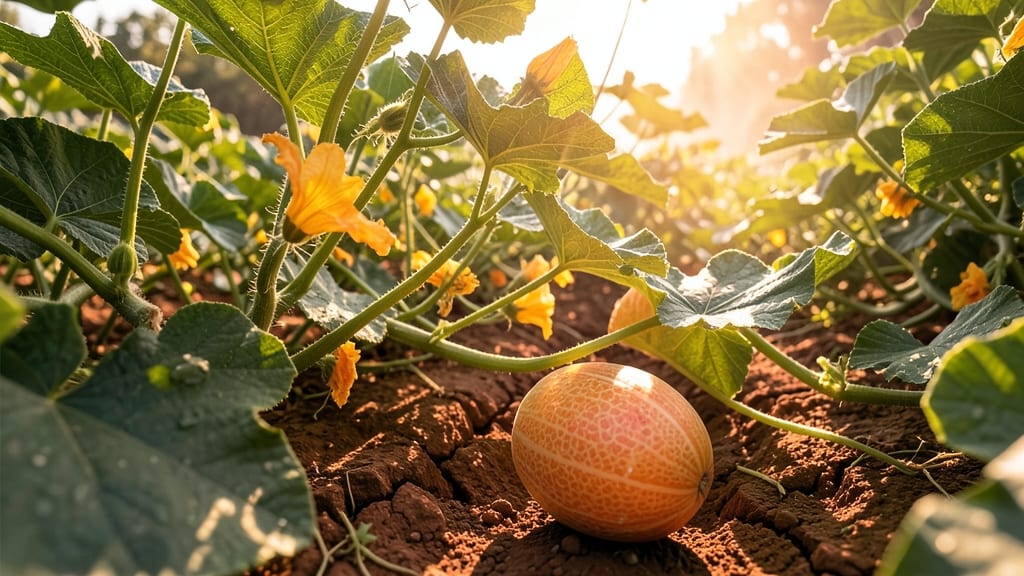
Georgia’s long, steamy summers are the perfect stage for cantaloupe—a melon that thrives when temperatures soar. Unlike finicky varieties, these heat-loving melons ripen in just 70-90 days, turning your garden into a sweet, fragrant harvest by midsummer.
For Georgia gardeners, focus on disease-resistant varieties like ‘Athena’ or ‘Hale’s Best’ to outsmart vine borers and powdery mildew. Plant seeds after the last frost in well-draining soil with 6 hours of sun, and use black plastic mulch to retain moisture and speed up ripening. Be patient with pollination—hand-pollinate flowers if bees are scarce for guaranteed fruit set.
This is your chance to grow melons without the fuss of northern climates. Even urban gardeners with small spaces can try container-growing with bush varieties—just ensure vines have room to sprawl. 🌻
Southern Pea Seeds for Drought Resistance
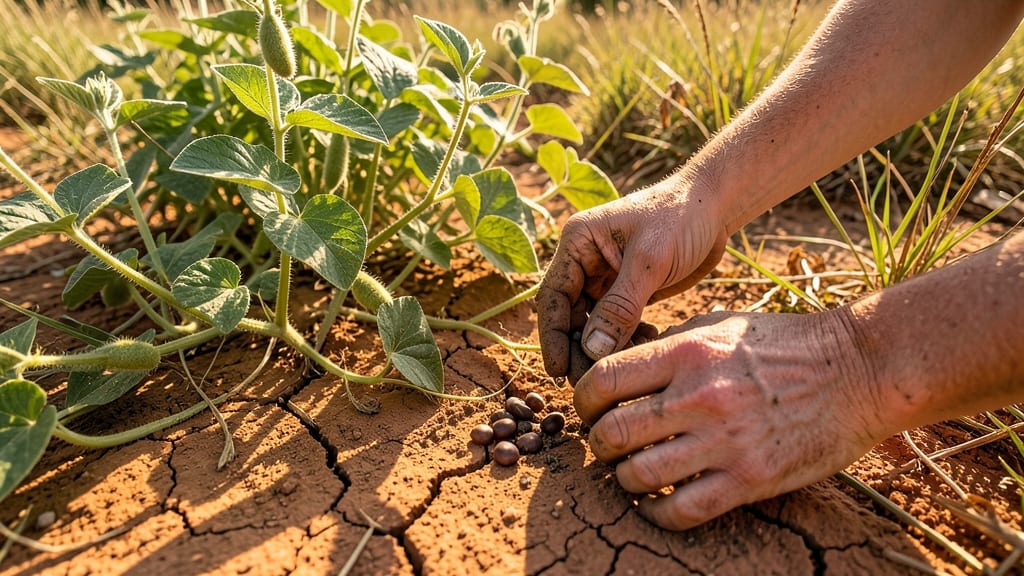
When Georgia’s summer heat turns your garden into a sauna, Southern peas like cowpeas don’t just survive—they thrive. These hardy legumes fix nitrogen in the soil while demanding minimal water, making them ideal for dry spells and poor soil that would stump other crops.
Plant seeds directly in full sun after the last frost, spacing them 3-4 inches apart. Varieties like Purple Hull and Black-Eyed Pea produce edible pods and seeds in just 60-90 days. The deep roots tap into moisture deep underground, while their nitrogen-fixing ability enriches the soil for future plantings.
Perfect for beginners or experienced gardeners with limited resources, Southern peas offer both low-maintenance growth and a delicious harvest. Try them in containers or garden beds for a resilient, flavorful addition to your summer meals. 🌱
Tomatillo Seeds for Shade-Tolerant Harvests
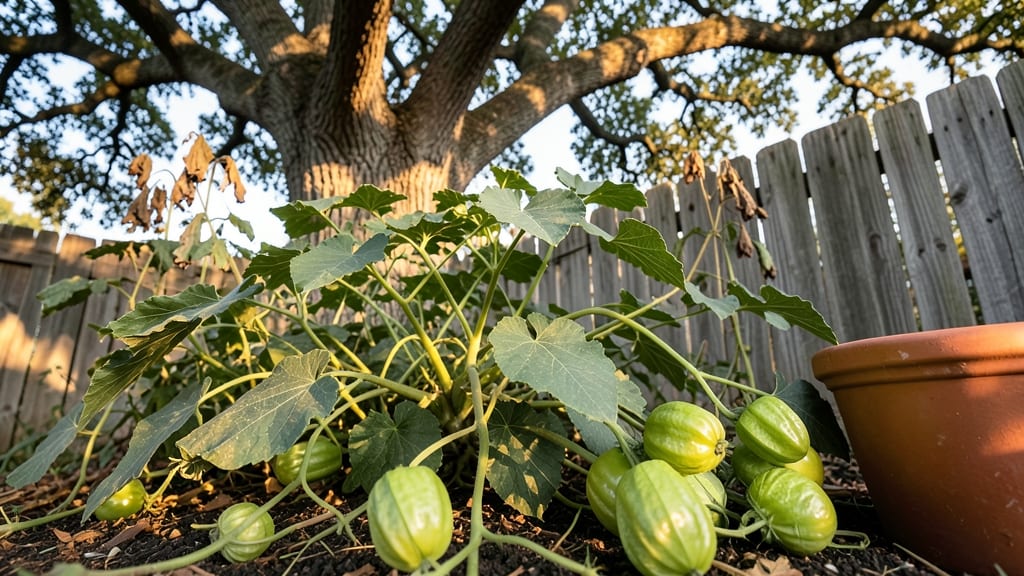
If you’ve ever struggled with sunburned tomatoes or wilting peppers in Georgia’s partial shade, tomatillos are your secret weapon. These tart, lime-like fruits thrive in 3-6 hours of sunlight daily—making them perfect for under trees, near fences, or in containers on shaded patios.
Plant seeds after the last frost in well-draining soil with a pH of 6.0-7.0, and keep them consistently moist but not soggy. The plants produce paper husks that protect the green fruits until ready to harvest, typically 80-90 days after planting. Their tangy flavor makes them ideal for salsas, but they’re also delicious roasted or in soups.
Urban gardeners and those with limited sun will love tomatillos—they’re low-maintenance, productive, and add a unique flavor to your harvest. 🌿
Peanut Seeds for Georgia’s Sandy Soil
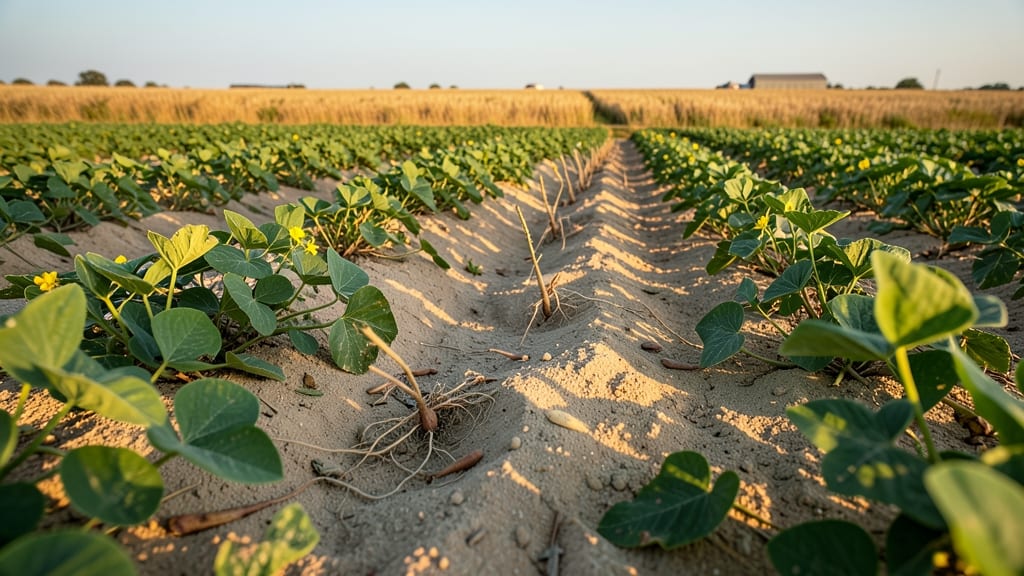
If you’ve ever struggled with Georgia’s sandy loam soil that drains too quickly, peanuts are your secret weapon. Unlike water-hogging crops, they thrive in well-draining conditions and actually benefit from the sandy texture—no heavy clay to fight. With just 1 inch of water per week after establishment, they’re one of the most drought-tolerant options for Georgia gardeners.
Plant seeds in late spring after the last frost, spacing them 12 inches apart in rows 3 feet apart. The key to success? Let the soil dry between waterings—peanuts need moist but not soggy conditions. In 120-150 days, you’ll harvest pods buried just below the surface, yielding up to 3,000 pounds per acre with minimal effort. Bonus: Their deep roots break up compacted soil for future crops.
Perfect for small gardens or large-scale growers, peanuts offer a high-protein, versatile harvest with almost no fuss. Try Virginia-type varieties like Early Spanish for Georgia’s climate—your soil (and water bill) will thank you. 🌱
Swiss Chard Seeds for Heat and Humidity
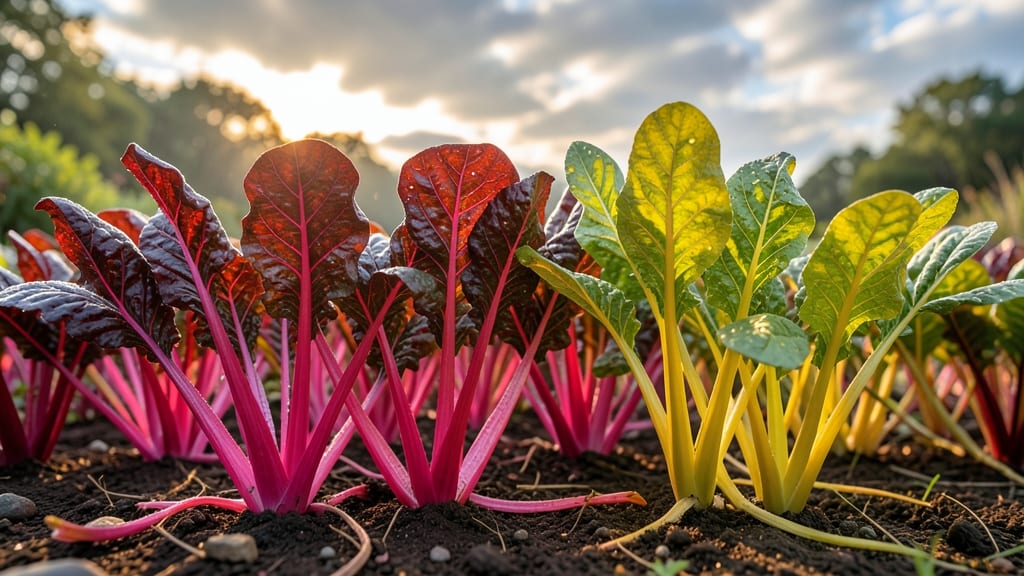
If you’ve ever struggled to keep leafy greens crisp in Georgia’s summer heat, Bright Lights Swiss chard is your game-changer. This vibrant variety thrives in temperatures that would wilt other greens, delivering bold flavors and striking colors even when humidity spikes.
Plant seeds in early spring or late summer for a fall harvest, spacing them 6–8 inches apart in well-draining soil. Unlike many greens, Swiss chard resists bolting—meaning it won’t bolt to seed prematurely—so you’ll enjoy tender leaves and rainbow-colored stems for weeks. It’s also drought-tolerant once established, making it ideal for Georgia’s unpredictable summer rains.
Perfect for urban gardeners with limited space, Swiss chard grows well in containers and adds a pop of color to salads, sautés, or steamed dishes. 🌻
Watermelon Seeds for Georgia’s Long Season

Georgia’s long, steamy summers are perfect for growing watermelons—but not all varieties thrive in the heat. Crimson Sweet, a classic heat-loving variety, produces large, sweet melons with minimal fuss, making it ideal for Georgia’s extended growing season.
For best results, choose disease-resistant seeds to combat common issues like powdery mildew and cucumber beetles. Plant after the last frost in well-draining soil with 6-8 hours of sun daily, and space vines 3-4 feet apart. Mulch heavily to retain moisture and keep fruits off the ground. With proper care, you’ll harvest juicy, 15-20 pound melons by late summer.
This variety is perfect for home gardeners who want a reliable, high-yield crop with minimal fuss. Just don’t forget to save some seeds for next year—homegrown watermelons taste even sweeter. 🌻