
Lawn
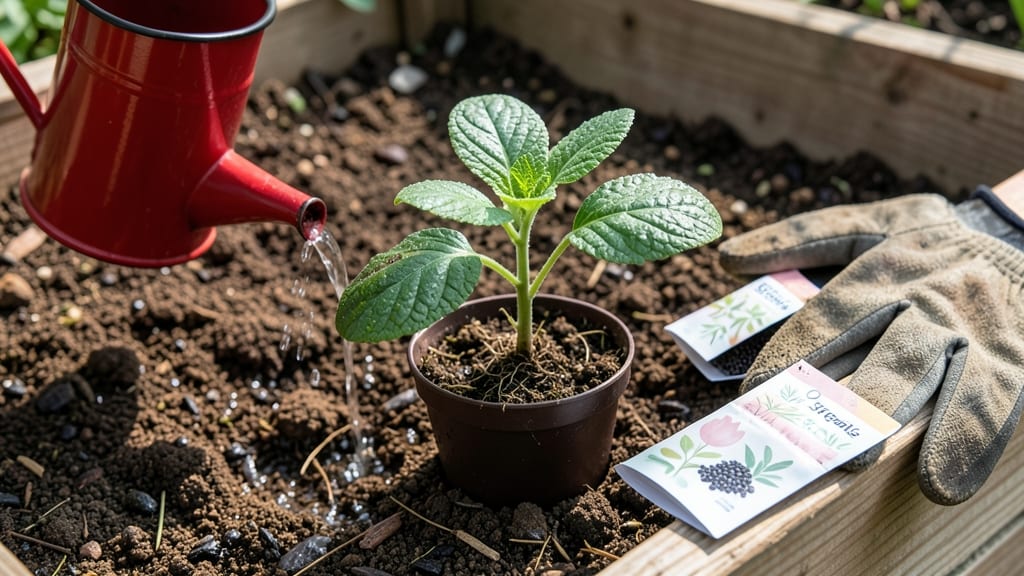
The secret to a lawn that makes neighbors stop and stare isn’t luck—it’s soil, seed, and water working in perfect harmony. 🌱 I’ve spent years tweaking ratios, and the difference between a patchy yard and a vibrant carpet of grass comes down to these three elements.
The soil must breathe, the seeds need the right conditions, and watering can’t be guesswork. Start with soil that’s loose, well-draining, and rich in organic matter. Skip the heavy clay or sandy soil—amend it with compost or peat moss first. Then choose seeds suited to your climate and sunlight.
Watering isn’t about drowning the lawn; it’s about keeping the top 2-3 inches consistently moist, like a wrung-out sponge. By the end of the season, you’ll have grass that’s dense, green, and resilient—no more brown patches or weeds choking out your progress.
The trick is consistency: check soil moisture weekly, adjust watering as temperatures rise, and fertilize lightly every 6-8 weeks. This method works for cool-season grasses like fescue or ryegrass, and warm-season types like Bermuda or Zoysia. Skip the shortcuts—your lawn will thank you.
📚 In This Guide
- What you need
- Instructions
- Tips and common mistakes
- Wrapping up and next steps
What you need
- ● Soil: 2–3 cubic yards of high-quality topsoil (pH-balanced, 6.0–7.0 range; test with a blank">soil test kit)
- ○ Optional: 1–2 bags of compost (per 100 sq. ft.) for nutrient boost
- ● Seeds: 1–2 lbs of grass seed (choose based on climate: blank">cool-season or warm-season)
- ● Pro tip: Mix seed varieties (e.g., Kentucky bluegrass + fescue) for resilience
- ● Water: Garden hose with adjustable nozzle (or sprinkler system)
- ● Water source: Rain barrel or municipal supply (avoid contaminated water)
- ● Tools: Rake (bow or leaf rake, medium stiffness)
- ● Garden tiller or rototiller (rent if needed)
- ○ Lawn roller (100–150 lb, optional for seed-to-soil contact)
- ● Broadcast spreader (for even seed distribution)
- ● Fertilizer: Slow-release 10-10-10 NPK (apply after germination)
- ● Erosion control: Straw or biodegradable netting (to hold seed in place)
- ● Soil amendments: Lime (if soil is acidic)
- ● Gypsum (for clay-heavy soil)
- ● Monitoring: Moisture meter or weather app (to track watering needs)
Step-by-step instructions for establishing a science-backed lawn
Here’s how to combine soil prep, seed selection, and watering for a lawn that thrives from day one.
🌱 Step 1: Test and Amend Your Soil for Optimal Growth
Start by testing your soil’s pH and nutrient levels—most lawn grasses prefer a range of 6.0 to 7.0. Grab a sample from 4-6 inches deep and send it to a local extension office or use a home test kit. If your soil is too acidic, add pelletized lime (follow package rates); if alkaline, incorporate sulfur or peat moss. I like to till in 2-3 inches of compost at the same time to boost organic matter, which helps retain moisture and nutrients.
Work the amendments into the top 6 inches of soil using a rototiller or garden fork. Break up any compacted layers—grasses need loose, aerated soil to send roots deep. If your soil feels like concrete when dry or turns to mud when wet, you’ll need to add sand or perlite to improve drainage. The goal is soil that crumbles easily when squeezed in your hand but holds moisture without dripping.
🌱 Step 2: Choose the Right Seed Mix for Your Climate and Sun
Select a premium grass seed blend suited to your region’s hardiness zone and sunlight conditions. Cool-season grasses like Kentucky bluegrass, fescue, or ryegrass thrive in northern climates, while warm-season types such as Bermuda or Zoysia handle southern heat. For full sun, opt for tall fescue or Bermuda; for shade, fine fescue or St. Augustine work best.
Spread the seed evenly using a broadcast spreader set to the recommended rate (usually 5-10 lbs per 1,000 sq ft). I like to spread half in one direction and half perpendicular to ensure even coverage. Lightly rake the area with a fine-toothed rake to press seeds into the soil—just enough to cover them with ¼ inch of topsoil. This prevents birds from scattering seeds and ensures good soil contact for germination.
💧 Step 3: Water Deeply and Consistently to Encourage Germination
Keep the soil uniformly moist but never soggy during germination. Water lightly 2-3 times daily (about ¼ inch per session) for the first 7-10 days to keep the top ½ inch of soil damp. Overwatering can wash away seeds or cause them to rot, while underwatering leaves them dry and brittle. Use a sprinkler with gentle mist settings or a soaker hose to avoid dislodging seeds.
Once the grass reaches 1-2 inches tall (about 2-3 weeks), reduce watering to ½ inch per week, including rainfall. Deep, infrequent watering encourages roots to grow downward. You’ll know your lawn is getting enough water when blades stay upright and spring back when stepped on. Avoid shallow watering—it promotes weak, shallow roots that struggle in drought.
✂️ Step 4: Maintain Moisture and Mow at the Right Height
After 4-6 weeks, when grass reaches 3-4 inches tall, mow for the first time using a sharp blade set to 3 inches. Never remove more than ⅓ of the blade height at once—this stresses the grass and invites weeds. I set my mower to the highest recommended height for the grass type, then gradually lower it by ¼ inch per week once the lawn is established.
Continue watering 1-1.5 inches per week, splitting it into 2-3 sessions to prevent runoff. Early morning watering (before 10 AM) minimizes evaporation and fungal risks. Watch for yellowing patches—this often signals underwatering, overwatering, or compacted soil. Adjust your routine until the lawn stays vibrant green and resilient.
Tips & tricks for perfect lawn establishment
Transforming your yard into a lush, science-backed lawn starts with these game-changing insights that address the most common pitfalls.
Soil Testing Accuracy: Don't rely on guesswork—send your soil sample to your local cooperative extension office for a professional analysis. Their tests reveal not just pH but also crucial nutrient levels like nitrogen, phosphorus, and potassium. I once added lime to my lawn thinking it needed acidity, only to discover it was actually potassium-deficient. The extension office can also recommend precise amendment amounts tailored to your specific soil profile.
Seed Selection Nuance: When choosing your grass seed blend, pay close attention to the percentage of each grass type listed on the package. For example, a "tall fescue blend" might contain 60% tall fescue and 40% fine fescue—this gives you shade tolerance while maintaining durability. I recommend looking for blends with at least 80% of the primary grass type you want for consistent results. Also, check the germination rate on the package; seeds with 90%+ germination will give you faster, more reliable coverage.
Watering Consistency: The key to successful germination isn't just how much you water, but when. I've found that watering in the early morning (between 4-8 AM) gives seeds the moisture they need without promoting fungal growth that evening watering encourages. For those first critical 7-10 days, set a timer for every 8 hours—this ensures you're maintaining that perfect ½-inch dampness without overdoing it. A simple rain gauge or even a clear plastic bottle with measurement markings makes tracking your watering amounts effortless.
Mowing Technique: When your lawn reaches that first mowing at 3-4 inches, resist the urge to cut it shorter for a "neater" look. Grass blades provide shade to the soil, helping retain moisture and suppress weeds. That said, never let your grass grow more than ⅓ taller than its recommended height between cuts—this prevents stress. I've noticed that mowing with a sharp blade (dull blades tear grass) results in healthier growth and fewer brown tips. Consider investing in a mulching mower to return grass clippings to the lawn as natural fertilizer.
Pro Tips for Soil Seed And Water
- Transforming your yard into a lush, science-backed lawn starts with these game-changing insights that address the most common pitfalls.
- Soil Testing Accuracy: Don't rely on guesswork—send your soil sample to your local cooperative extension office for a professional analysis.
- Seed Selection Nuance: When choosing your grass seed blend, pay close attention to the percentage of each grass type listed on the package.
Frequently asked questions
Got questions about growing a lush lawn with the perfect soil, seed, and water balance? You're not alone! Here are some of the most common queries—and their science-backed answers—to help you green up your grass game.
What’s the ideal soil-to-seed ratio for planting new grass?
The general rule is 1/4 to 1/2 pound of seed per 100 square feet, but soil prep matters more. Loosen the top 2–3 inches of soil, remove debris, and mix in compost for better seed-to-soil contact. Pro tip: Test your soil’s pH (aim for 6.0–7.0) to ensure seeds germinate evenly.
How long does it take for grass to grow after planting?
Germination time varies by grass type:
- Cool-season grasses (Kentucky bluegrass, fescue): 7–21 days
- Warm-season grasses (Bermuda, Zoysia): 10–30 days
How much water should I give new grass seed daily?
Newly planted seeds need ¼ to ½ inch of water per day, split into 2–3 light waterings (morning is best). Use a gentle sprinkler to avoid displacing seeds. Once sprouts appear, water deeply 1–2 times per week to encourage root growth. Watch for: Puddles (overwatering) or dry patches (underwatering).
Can I use old grass clippings or compost as a seed starter?
Yes! Grass clippings (from disease-free lawns) can act as a free mulch to retain moisture, but avoid thick layers (¼ inch max). Compost is ideal—it adds nutrients and improves soil structure. Just don’t bury seeds under more than ¼ inch of soil; they need light to sprout.
Why is my new grass turning brown or patchy after planting?
Brown patches often signal overwatering, drought, or poor soil contact. Check for:
- Water issues: Too much (fungus) or too little (dry spots).
- Temperature stress: Seeds need consistent temps (50–75°F for germination).
- Pests: Birds or insects may snack on seeds—cover lightly with netting if needed.
Wrapping up and next steps
Mastering the soil, seed, and water trifecta is your ticket to a thriving lawn that’s the envy of the neighborhood! 🌱 By balancing nutrient-rich soil, high-quality seeds, and consistent hydration, you’re not just growing grass—you’re cultivating a lush, resilient landscape that stands up to Mother Nature’s challenges. Start small, stay consistent, and watch your efforts bloom!
Ready to take the next step? Test your soil this season, tweak your watering schedule, and experiment with seed blends to find what works best for your yard.
Every drop of water and grain of seed is an investment in a greener, healthier future—so roll up those sleeves and get growing! 💦✨