
Lawn
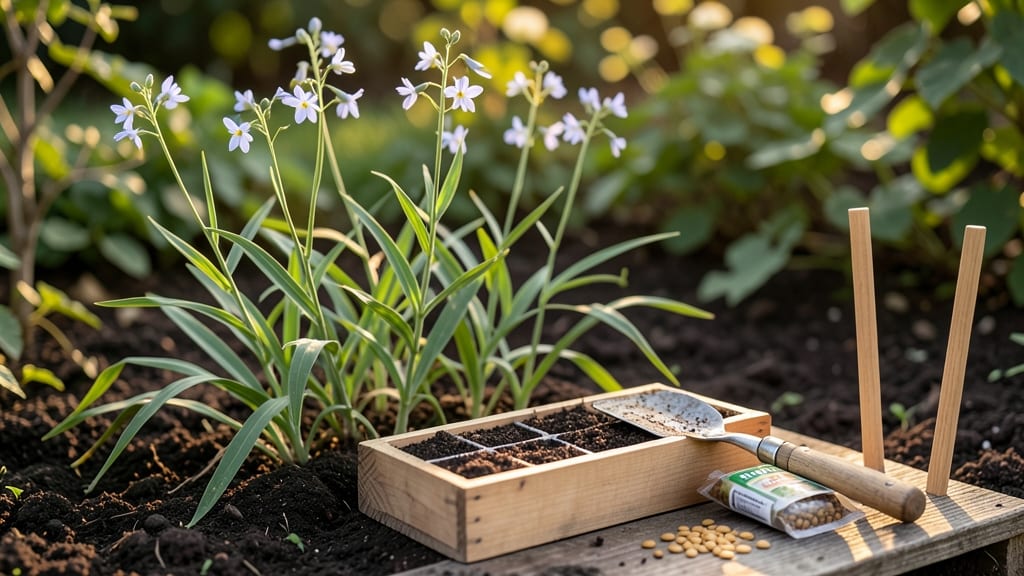
Planting flax seeds means fast germination—sometimes within 3-5 days—and shockingly lush green foliage that thrives in cool weather. 🌱 I’ve grown flax for both its delicate blooms and the oil-rich seeds, and the secret to success starts with the right soil prep and timing.
Skip the guesswork with these straightforward steps that work for ornamental gardens or small-scale harvests.
You’ll need well-draining soil with a pH between 6.0 and 7.0, loose enough to avoid compacting those tiny seeds. Flax loves cool temperatures—ideal planting occurs in early spring or late summer—and full sun to partial shade.
Plant seeds ¼ inch deep, spaced 6-12 inches apart, and keep the soil consistently moist but never soggy. The first true leaves appear fast, and the plants grow quickly, reaching 2-3 feet tall by bloom time.
Once established, flax is drought-tolerant but still needs 1 inch of water per week unless your region gets steady rain. The real magic happens when you let the plants go to seed—golden seed heads that attract pollinators and provide a dual-purpose harvest.
For fiber flax, harvest stems before flowering; for oil seeds, wait until the pods turn brown. Either way, you’ll have a low-maintenance, high-reward crop.
Works in USDA zones 3-9, though it bolts faster in hot climates. Try it in containers for small spaces or as a living mulch to suppress weeds. The only real mistake? Planting too late—flax hates summer heat. With these tips, you’ll have fast, reliable growth every season.
📚 In This Guide
- What you need
- Instructions
- Tips and common mistakes
- Wrapping up and next steps
What you need
- ● Flax seeds: 1–2 lbs (organic, untreated seeds for best results).
- ● Garden soil: Well-draining, loamy soil with a pH of 6.0–7.5 (test your soil or amend with compost if needed).
- ● Planting area: Direct sowing: A sunny spot (6+ hours of sunlight daily) with loose, fertile soil.
- ● Container gardening: 6–12-inch deep pots with drainage holes (1–2 seeds per pot).
- ● Watering can or hose: With a gentle spray nozzle for even moisture.
- ● Garden rake or hoe: For loosening soil before planting.
- ● Row marker or stakes: To keep seed rows neat and organized.
- ● Mulch: Straw or shredded leaves to retain moisture and suppress weeds.
- ● Fertilizer: Low-nitrogen, balanced fertilizer (e.g., 10-10-10) for nutrient boost.
- ● Seedling heat mat: If starting indoors in cooler climates.
- ● Garden gloves: For comfort while handling soil.
Step-by-Step instructions for planting flax seeds
Here's how to unlock flax's rapid germination and establish vibrant plants in just weeks.
🌱 Step 1: Prepare Your Planting Site or Containers
Flax thrives in loose, well-draining soil with a pH between 6.0 and 7.5. If planting directly in the garden, till the soil to a depth of 6 inches, removing any debris or weeds that could compete with seedlings. For container growing, use a sterile seed-starting mix in pots at least 6 inches deep—flax roots don’t like being cramped.
Work in a compost-rich amendment (like well-rotted manure or compost) to ensure nutrients are available during the fast growth phase. Flax is sensitive to salt, so avoid fertilizers high in sodium. I like to add a thin layer of sand to heavier soils to improve drainage—this prevents the classic flax problem of damping-off when seeds sit in soggy soil.
🌱 Step 2: Sow Seeds at the Right Depth and Spacing
Plant flax seeds ¼ inch deep—any deeper and they’ll struggle to break through the soil. I use a small hand rake to create shallow furrows, then drop seeds 1 inch apart in rows 12 inches apart for garden planting. For containers, space seeds 2 inches apart—they’ll fill the space quickly, but crowding leads to weak stems.
Cover seeds lightly with soil, then water gently with a fine mist until the surface feels damp but not wet. Flax seeds germinate best in soil temperatures between 50°F and 65°F. If your soil is cooler, wait until daytime temperatures consistently stay above 50°F—cold soil slows germination to a crawl, and you’ll lose that fast growth promise.
💧 Step 3: Maintain Moisture and Watch for Germination
Keep the soil evenly moist but never soggy—flax seedlings are delicate and rot easily. Water at the base of plants (not overhead) to prevent fungal diseases. You’ll see first true leaves appear in just 7-10 days, which is when the real magic happens. Until then, avoid disturbing the soil—even a light touch can uproot tiny seedlings.
Once seedlings reach 2 inches tall, thin them to 4 inches apart in the garden or 3 inches apart in containers. Use sharp scissors to snip unwanted plants at soil level—pulling risks damaging roots of neighboring seedlings. This step ensures each plant gets enough nutrients and light to grow strong, not leggy.
☀️ Step 4: Provide Light and Nutrients for Rapid Growth
Flax needs full sun (6+ hours daily) to grow its signature lush, green foliage. If growing indoors, place seedlings within 4 inches of a grow light and keep them there for 14-16 hours daily. Without enough light, stems stretch and leaves pale—this is your cue to move them closer to the light source immediately.
Feed seedlings with a balanced liquid fertilizer (10-10-10) diluted to half strength when they reach 4 inches tall. Flax is a light feeder, so over-fertilizing causes more harm than good. Water deeply after feeding to help roots absorb nutrients. You’ll notice new leaves forming every 2-3 weeks—this is the sign of healthy, fast growth.
✂️ Step 5: Harvest or Maintain for Continuous Growth
For seed production, let plants flower and go to seed—this takes about 90-120 days from planting. For foliage, harvest leaves when they reach 6-8 inches tall by snipping stems just above a leaf node. This encourages bushier growth and prevents the plant from bolting (going to seed) too quickly.
Flax is a cool-season crop, so in warm climates, plant it in early spring or late summer for fall harvests. In colder regions, it thrives in spring and can even overwinter in mild climates. Mulch around the base with straw or shredded leaves to retain moisture and regulate soil temperature—this keeps growth steady even as seasons shift.
Tips & tricks for perfect flax seed planting
Took me a while to figure these out, so here's how I ensure my flax always sprouts quickly and grows lush.
Soil Temperature Secret: The 50°F to 65°F soil temperature range in Step 2 is non-negotiable for fast germination. I use a soil thermometer to check temperatures—if your soil runs cooler, consider using a cold frame or planting in a slightly warmer microclimate. Even a 5°F drop below 50°F can delay sprouting by a full week.
Thinning Technique: When you reach the 2-inch height in Step 3 and thin to 4 inches apart, I recommend doing this on a cloudy day or in the evening. The reduced light stress helps seedlings recover faster. Use clean, sharp scissors to avoid crushing stems—this prevents entry points for fungal infections that can kill young plants.
Lighting Hack: For indoor growers, those 14-16 hours daily under grow lights in Step 4 can be tricky with electricity costs. I found using a timer-controlled LED bulb on a 6-foot shelf works perfectly—position it so the light just grazes the tallest seedlings. This mimics natural light angles and prevents leggy growth while saving energy.
Harvesting Timing: The 6-8 inch harvest height in Step 5 is ideal for tender, nutrient-rich leaves. I harvest in the morning when leaves are fully hydrated—this gives you the freshest flavor. For continuous harvests, cut outer stems first, leaving inner growth to mature. This encourages bushier regrowth rather than letting the plant bolt prematurely.
Pro Tips for Flax Seed Planting
- Took me a while to figure these out, so here's how I ensure my flax always sprouts quickly and grows lush.
- Soil Temperature Secret: The 50°F to 65°F soil temperature range in Step 2 is non-negotiable for fast germination.
- Thinning Technique: When you reach the 2-inch height in Step 3 and thin to 4 inches apart, I recommend doing this on a cloudy day or in the evening.
Frequently asked questions
Got questions about flax seed planting? You’re not alone! Here are some of the most common queries—plus quick, practical answers to help you grow a thriving lawn or garden.
When is the best time to plant flax seeds?
For optimal germination, plant flax seeds in early spring (as soon as soil reaches 40°F/4°C) or late summer (6–8 weeks before the first frost). Avoid planting in hot, dry spells—flax seeds need consistent moisture to sprout. If you’re in a mild climate, fall planting can also work!
How long does it take for flax seeds to germinate?
Flax seeds are fast germinators—expect to see sprouts in 7–14 days under ideal conditions (warm soil, moisture, and sunlight). Thin seedlings to 6–12 inches apart once they reach 2–3 inches tall. Pro tip: Keep soil damp (not soggy) during germination for best results!
What if my flax seeds aren’t sprouting?
Try these troubleshooting steps:
- Check soil temperature: Flax needs soil at least 40°F/4°C to germinate.
- Ensure moisture: Lightly water daily (use a spray bottle for small seeds).
- Test seed viability: Soak a few seeds in water overnight—if they swell, they’re good!
- Adjust sunlight: Flax prefers full sun (6+ hours/day) but can tolerate partial shade.
Can I plant flax seeds directly in my lawn?
Yes! Flax seeds are great for overseeding or filling bare patches in lawns. Lightly rake the soil to loosen it, scatter seeds thinly (they self-thin as they grow), and press them into the soil with a lawn roller or your foot. Water gently to avoid washing them away.
Are there alternatives to flax seeds for fast ground cover?
If flax isn’t your style, try these quick-growing alternatives:
- Clover: Fixes nitrogen in soil, drought-tolerant, and sprouts in 7–14 days.
- Annual Ryegrass: Germinates in 5–10 days, ideal for temporary cover.
- Creeping Thyme: Slow-growing but hardy; great for pollinators.
Wrapping up and next steps
Planting flax seeds is a rewarding way to add vibrant, fast-growing greenery to your lawn or garden—and you’ve got all the tools to succeed! From choosing the right soil to mastering germination tricks, every step brings you closer to lush, healthy growth.
Now that you’re armed with knowledge, there’s no time like the present to grab those seeds and get planting! 🌱
🚀 Ready to Grow?
Start small—try a patch in your yard or a container—and watch your flax seeds transform into a stunning green carpet. Happy planting!