
Propagation
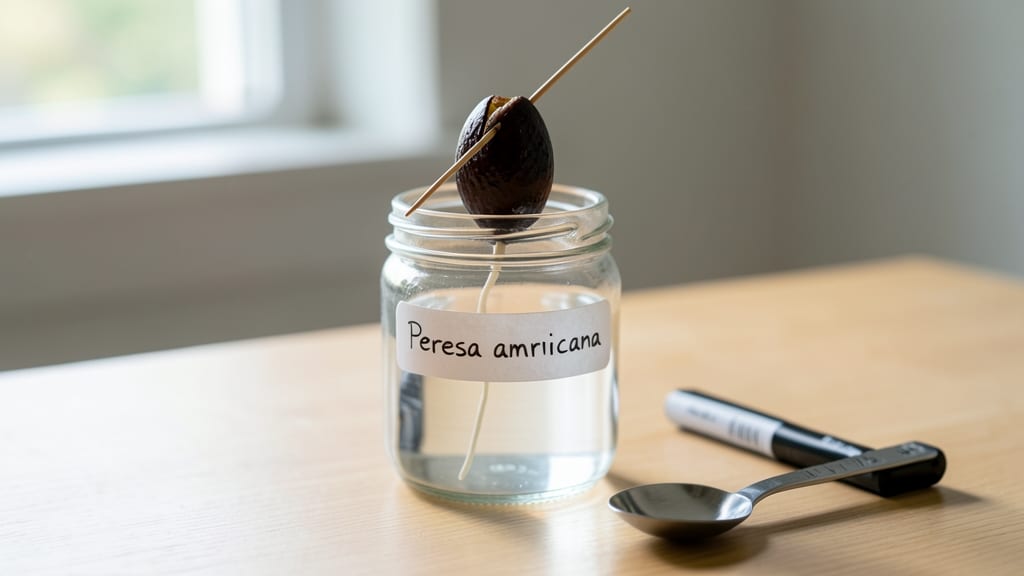
Putting an avocado seed in water is the easiest way to grow a tiny tree from your kitchen scraps—no green thumb required. 🌱 I’ve sprouted three this way, and the first roots appear within 2-3 weeks, though some take longer.
The key is patience and keeping the water fresh enough to avoid mold without drowning the seed.
You’ll need just three things: a fresh avocado pit, three toothpicks, and a glass of water. The toothpicks prop up the seed so the bottom half stays submerged while the top stays dry—this prevents rot.
Change the water every 2-3 days to keep it clean, and place your jar in bright, indirect light.
When roots reach about 2-3 inches, your seedling is ready for the next step. The roots will thicken over time, and you’ll start seeing tiny leaves poking through the top.
This is where most people quit, but that’s when the real magic happens—transplanting into soil gives you a chance at a full-sized avocado tree.
Common mistakes? Overcrowding the jar or using tap water that’s too chlorinated. If mold appears, dump the water and rinse the seed gently. With the right care, you’ll have a thriving seedling in just a few weeks—no soil required yet!
📚 In This Guide
- What you need
- Instructions
- Tips and common mistakes
- Wrapping up and next steps
What you need
- ● 1 fresh avocado pit – Choose a seed from a ripe, organic avocado if possible (💡 Pro tip: Avoid seeds from store-bought avocados treated with fungicides!)
- ● 3-4 toothpicks or wooden skewers – For balancing the seed (ensure they’re clean and food-safe!)
- ● 1 small glass or jar – A wide-mouth container (like a mason jar) works best, but any clear vessel with a mouth wider than the seed will do.
- ● Water – Tap water is fine, but filtered or distilled water can help prevent mineral buildup over time.
- ● Paper towels or a damp cloth – For keeping the seed moist while it sprouts.
- ○ Optional: Small pebbles or marbles – Place these in the bottom of the jar to elevate the seed slightly and prevent rot.
- ● Hydroponic growing medium (like coconut coir or perlite) – For transplanting once roots are 2-3 inches long.
- ● Spray bottle – To mist the seed gently and maintain humidity.
- ● Plant food or diluted fertilizer – Once your seedling has leaves, a mild fertilizer can encourage growth.
- ● Grow lights or sunny windowsill – If your space lacks natural light, a small LED grow light keeps your seedling happy.
Step-by-step guide to sprouting an avocado seed in water
Here's how I've sprouted dozens of avocado seeds—no fancy tools, just patience and a few simple steps.
🌱 Step 1: Extract the Seed and Clean It Gently
Start with a fresh avocado seed—one that still has some of the fruit's flesh attached is easiest to work with. Rinse the seed under cool water to remove any remaining pulp, then let it dry completely for about 10 minutes. This prevents mold from forming later.
Use a sharp knife to carefully remove the hard outer shell. I like to score around the seed's middle where it's widest, then gently twist to split it open. The inside should reveal a large pit with a small, firm seed nestled inside. Save this seed—it's the one you'll plant.
💧 Step 2: Insert Toothpicks and Submerge in Water
Place 3 toothpicks evenly around the seed's middle, spacing them about 1 inch apart. The toothpicks should stick out enough to suspend the seed above a glass or jar. Fill a container with room-temperature water—just enough to cover about 1 inch of the seed's bottom.
Position the seed so the wider, flat side faces down. This ensures the seed stays stable in the water. Change the water every 2-3 days to keep it fresh and prevent bacteria buildup. You'll see roots emerge from the bottom in about 2-4 weeks—don't rush it, just keep it consistently moist.
☀️ Step 3: Wait for Roots and Transfer to Soil
Once the roots reach about 2-3 inches long, it's time to transfer the seed to soil. I wait until the roots are this long because shorter roots can break easily during the move. Choose a 6-inch pot with drainage holes and fill it with well-draining potting mix. Make a small hole in the center—just big enough for the seed to fit snugly.
Place the seed in the hole with the toothpicks still attached, then cover the roots lightly with soil. Water gently until it drains from the bottom. Keep the pot in bright, indirect light for the first week—direct sun can scorch the young seedling. You'll notice new leaves emerging in about 4-6 weeks.
🪴 Step 4: Care for Your Avocado Seedling
Once the seedling has 4-5 leaves, you can remove the toothpicks. Water the plant when the top inch of soil feels dry, usually about once a week. Avocados love humidity, so mist the leaves occasionally or place the pot on a tray of pebbles with water to increase moisture around the plant.
After 3-4 months, your avocado tree will need more space. Repot it into a larger container with fresh potting mix. Keep it in bright, indirect light for the first year—it won’t tolerate direct sun yet. Patience is key; avocado trees take years to bear fruit, but the process is rewarding every step of the way.
Tips & tricks for sprouting avocado seeds successfully
Here's what nobody tells you—these small details make all the difference between a thriving seedling and a failed experiment.
Seed Selection Matters: Choose seeds from fully ripe avocados with no soft spots or mold. The seed should feel heavy for its size—this indicates it's fully developed and more likely to sprout. I've found that Hass avocado seeds work best because they're larger and more robust. Confession: I skipped this step for years and wondered why some seeds never sprouted!
Toothpick Placement Tip: When inserting the 3 toothpicks in Step 2, space them evenly around the seed's widest point—this creates a stable triangle that keeps the seed perfectly balanced in the water. If one toothpick slips, the seed can tip over and rot. I like to use wooden toothpicks instead of plastic because they're more secure and biodegradable.
Root Development Watch: The 2-4 week window for root growth can feel frustratingly slow, but consistency is key. Keep the water level at exactly 1 inch covering the bottom—any deeper can cause rot, any shallower can dry out the seed. I've seen roots emerge in as little as 10 days with perfect conditions, but don't be discouraged if it takes longer. The key is patience and maintaining that exact water level.
Soil Transfer Timing: Waiting until roots reach 2-3 inches before transferring to soil prevents root damage during the move. I recommend using a small trowel to gently loosen the roots from the water before placing them in the soil hole. This helps them establish more quickly in their new home. The first week in bright indirect light is critical—direct sun can shock the young seedling and cause leaf burn.
Pro Tips for Put An Avocado Seed In Water
- Here's what nobody tells you—these small details make all the difference between a thriving seedling and a failed experiment.
- Seed Selection Matters: Choose seeds from fully ripe avocados with no soft spots or mold.
- Toothpick Placement Tip: When inserting the 3 toothpicks in Step 2, space them evenly around the seed's widest point—this creates a stable triangle that keeps the seed perfectly balanced in the water.
Frequently asked questions
Got questions about sprouting avocado seeds?
You’re not alone! Here are answers to the most common queries to help you grow a thriving avocado plant with confidence.
How long does it take for an avocado seed to sprout in water?
Patience is key! Most avocado seeds take 2–6 weeks to sprout in water, depending on temperature (ideal: 70–85°F) and humidity. Roots often appear first (within 2–4 weeks), followed by the shoot. Keep the water fresh and warm for best results.
How often should I change the water for my avocado seed?
Change the water every 2–3 days to prevent bacteria or mold. Use room-temperature water to avoid shocking the seed. If the water gets cloudy or smells funky, rinse the seed thoroughly and refresh the water immediately.
Can I use anything other than water to sprout an avocado seed?
While water is the easiest method, you can also try sphagnum moss or a peat-based growing medium for faster root development. Avoid soil until roots are 2–3 inches long—direct planting too soon can rot the seed.
What if my avocado seed rots or smells bad in water?
Rotting or a foul smell means too much moisture or bacteria. Remove the seed, trim any mushy roots, and let it dry for 24 hours before restarting in fresh water. Sterilize your container with a vinegar rinse to prevent future issues.
How do I know when to transplant my avocado seed from water?
Transplant when roots are 2–3 inches long and the shoot is at least 6 inches tall. Use well-draining soil (like a mix of potting soil and perlite) and a pot with drainage holes. Gently bury the seed halfway to encourage stability.
Wrapping up and next steps
Growing an avocado seed in water is a simple yet rewarding project that brings a touch of green to your home! 🌱 With just a few supplies and patience, you’ve got the perfect opportunity to nurture a new plant—whether you’re a seasoned gardener or a curious beginner.
Now that you know the steps, why not give it a try? Grab that seed, follow the guide, and watch your tiny sapling sprout into something extraordinary. Once your seedling is thriving, consider transplanting it into soil for long-term growth—your future avocado tree awaits! 🌳