
Planting
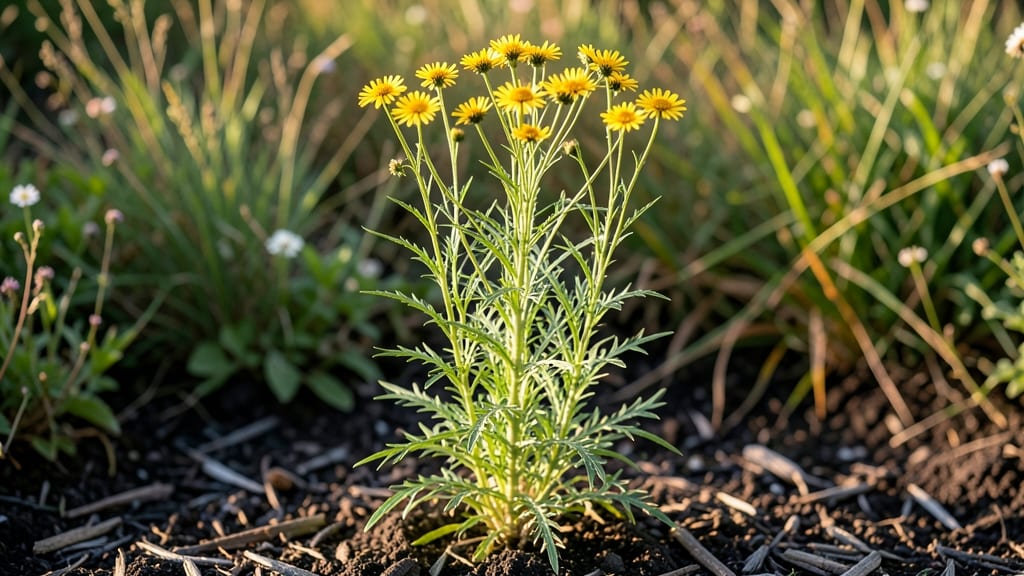
Growing nyjer seed plants means your winter bird feeders will stay packed with finches all season. 🌱 These delicate-looking annuals thrive in heat but need a clever trick to survive cooler climates—planting them after the last frost when soil warms to at least 60°F. The key?
Start seeds indoors 6-8 weeks before transplanting to avoid cold-sensitive sprouts that bolt too fast.
You’ll need well-draining soil with a pH of 6.0-7.0, full sun (6+ hours daily), and consistent moisture—never soggy. Spacing plants 12-18 inches apart prevents overcrowding, which leads to weak stems and poor seed production.
The plants grow 2-4 feet tall, with tiny daisy-like flowers that attract goldfinches and other seed-loving birds.
By mid-summer, you’ll harvest the fluffy, black seeds that become bird feeder gold. Simply cut the flower heads when they turn brown, dry them indoors for a week, then rub the seeds free. One plant yields enough for months of feeding—just store seeds in airtight containers until winter.
Watch for powdery mildew in humid climates (space plants well to improve airflow) and aphids (spray with soapy water if needed). The trade-off? These plants are annuals, so replant each year—but the bird-watching payoff makes it worth it. Ready to grow your own feeder supply?
📚 In This Guide
- What you need
- Instructions
- Tips and common mistakes
- Wrapping up and next steps
What you need
- ● Nyjer seed: 1–2 lbs (preferably Guizotia abyssinica seeds, untreated and organic if possible).
- ● Growing container: Shallow tray or flat (10" x 20" or larger) with drainage holes.
- ● OR a large, wide pot (at least 6" deep) with drainage.
- ● Growing medium: 1–2 inches of high-quality potting mix (lightweight, well-draining, and sterile).
- ○ Optional: Mix in perlite or vermiculite (20–30%) for better aeration.
- ● Watering can or spray bottle (with a fine mist nozzle).
- ● Plastic wrap or clear lid (to create a humidity dome).
- ● Grow light or sunny windowsill (south-facing or artificial light for 12–16 hours/day).
- ● Scissors or pruners (for harvesting mature seeds).
- ● Seedling heat mat (if starting in cool conditions, 65–75°F is ideal).
- ● Humidity tray (to maintain moisture levels).
- ● Fertilizer (balanced liquid fertilizer, diluted to half-strength, after sprouts emerge).
- ● Bird feeder or mesh bag (for storing harvested seeds).
- ● Notebook or journal (to track growth stages and conditions).
Step-by-Step instructions for growing nyjer seed plants
Here's the simple method I use to grow cold-stressed nyjer sprouts that birds go wild for.
🌱 Step 1: Soak and Sprout the Seeds
Start by soaking 1 cup of nyjer seeds in 2 cups of lukewarm water for 8-12 hours. This softens the outer shell and kickstarts germination. Drain the water completely through a fine-mesh strainer, then transfer the seeds to a quart-sized mason jar with a sprouting lid.
Rinse the seeds once more to remove any remaining moisture, then shake the jar gently to distribute them evenly. Place the jar in a dark spot—like your pantry or a closet—where the temperature stays between 65-75°F. You'll see tiny white sprouts appear in 24-48 hours, signaling it's time to move them to light.
☀️ Step 2: Move to Light for Chlorophyll Development
After 2 days of sprouting, transfer the jar to a bright spot where it gets indirect sunlight for 4-6 hours daily. I like to place mine on a sunny windowsill, but avoid direct midday sun, which can overheat the jar. The sprouts will turn bright green as chlorophyll develops—this is your cue that photosynthesis is working.
Rinse the sprouts twice daily with cool water to keep them fresh and prevent mold. Shake the jar gently after each rinse to ensure all sprouts get air circulation. You'll notice the sprouts grow longer and more vibrant within 3-4 days of light exposure.
⏰ Step 3: Cold-Stress for Bird Feeder Appeal
When the sprouts reach about 1-2 inches in length, it's time to cold-stress them. Place the jar in the refrigerator for 12-24 hours at 35-40°F. This mimics winter conditions and makes the sprouts sweeter and more appealing to birds. The cold also slows growth, keeping the sprouts tender and easy to digest.
After cold-stressing, return the jar to room temperature and rinse once more. The sprouts will look slightly wilted but will perk up within 1-2 hours. This is the perfect texture for bird feeders—firm but still fresh.
🪴 Step 4: Store and Serve to Birds
Transfer the cold-stressed sprouts to a clean, airtight container lined with a paper towel to absorb any excess moisture. Store them in the refrigerator for up to 5 days, rinsing and draining them once daily to keep them fresh. The paper towel helps prevent mold and keeps the sprouts crisp.
When ready to serve, fill your bird feeder with the sprouts. Birds will flock to them immediately—they love the sweet, nutty flavor. For best results, offer fresh sprouts every 2-3 days to keep your feathered friends happy year-round.
Tips & tricks for perfect cold-stressed nyjer sprouts
Here's what nobody tells you about growing nyjer sprouts that birds can't resist—these little details make all the difference.
Soaking Secret: Don't skip the second rinse after soaking! That final rinse removes any lingering moisture trapped in the seeds, which prevents mold during the dark sprouting phase. I use a fine-mesh strainer and give it a good shake to ensure every seed gets air exposure. This step is why your sprouts stay fresh longer—especially important when you're aiming for that 24-48 hour germination window.
Light Exposure Timing: The 4-6 hours of indirect sunlight in Step 2 is your chlorophyll production window. Position your jar where it gets morning sun (before 11 AM) and afternoon shade—this prevents overheating while maximizing photosynthesis. I notice the sprouts turn brightest green when they get consistent light, not intense midday rays. If your windowsill gets harsh sun, move the jar back a foot or use a sheer curtain.
Cold-Stress Precision: When cold-stressing for 12-24 hours, place the jar on the middle shelf of your fridge—not the crisper drawer. The 35-40°F range is crucial: too warm and the sprouts won't get that sweet, winterized flavor; too cold and they'll turn mushy. I set a timer to check them at the 12-hour mark—they should look slightly wilted but still firm. This is the magic that makes them irresistible to birds!
Pro Tips for Nyjer Seed Plant
- Here's what nobody tells you about growing nyjer sprouts that birds can't resist—these little details make all the difference.
- Soaking Secret: Don't skip the second rinse after soaking!
- Light Exposure Timing: The 4-6 hours of indirect sunlight in Step 2 is your chlorophyll production window.
Frequently asked questions
Got questions about growing nyjer seed plants for your bird feeders? You’re not alone! Here are some of the most common queries—plus quick, actionable answers to keep your feathered friends happy and well-fed.
How long does it take for nyjer seed plants to grow from seed?
With the right conditions, nyjer seed plants typically sprout in 7–14 days and reach full bloom (ready for harvesting) in 6–8 weeks. For year-round feeders, start a new batch every 2–3 months to ensure a steady supply. Pro tip: Use a heat mat (70–75°F) to speed up germination!
Can I grow nyjer seeds indoors year-round, even in winter?
Nyjer seeds thrive indoors with 12–14 hours of bright light daily (grow lights work great). Keep temps between 60–75°F and maintain humidity with a spray bottle. Watch out: Overwatering can cause mold—let the topsoil dry slightly between waterings.
What’s the best way to harvest nyjer seeds for bird feeders?
Harvest when 70–80% of the flowers are fully open (usually morning hours). Snip stems with scissors, then dry them upside-down in a dark, well-ventilated space for 3–5 days. Once brittle, rub seeds into a mesh bag or sieve. Bonus: Store in an airtight container to preserve freshness!
What can I do if my nyjer plants aren’t flowering?
Lack of blooms often means insufficient light or nutrients. Move your plants to a sunnier spot (or upgrade to LED grow lights) and fertilize lightly with a balanced liquid fertilizer (10-10-10) every 2–3 weeks. Quick fix: Pinch back leggy stems to encourage bushier growth!
Are there alternatives to nyjer seeds for bird feeders?
Yes! If nyjer proves tricky, try thistle seed (safflower), sunflower hearts, or millet. Goldfinches and chickadees also love nyjer substitutes like echium (patagonian poppy) seeds. Just check your local bird species’ preferences—some prefer nyjer’s high oil content!
Wrapping up and next steps
Growing a nyjer seed plant is a rewarding way to ensure a steady supply of high-energy birdseed—perfect for year-round feathered visitors! 🐦 With just a few simple steps, you can cultivate a thriving plant even in colder climates.
Whether you're a beginner or a seasoned gardener, this project is both cost-effective and fulfilling.
Now that you’re equipped with the know-how, why not plant your seeds today? Start small, experiment with containers, and watch as your nyjer seeds transform into a bird-feeder staple. Happy gardening—and may your feathered friends thank you with cheerful chirps! ✨