
Lawn
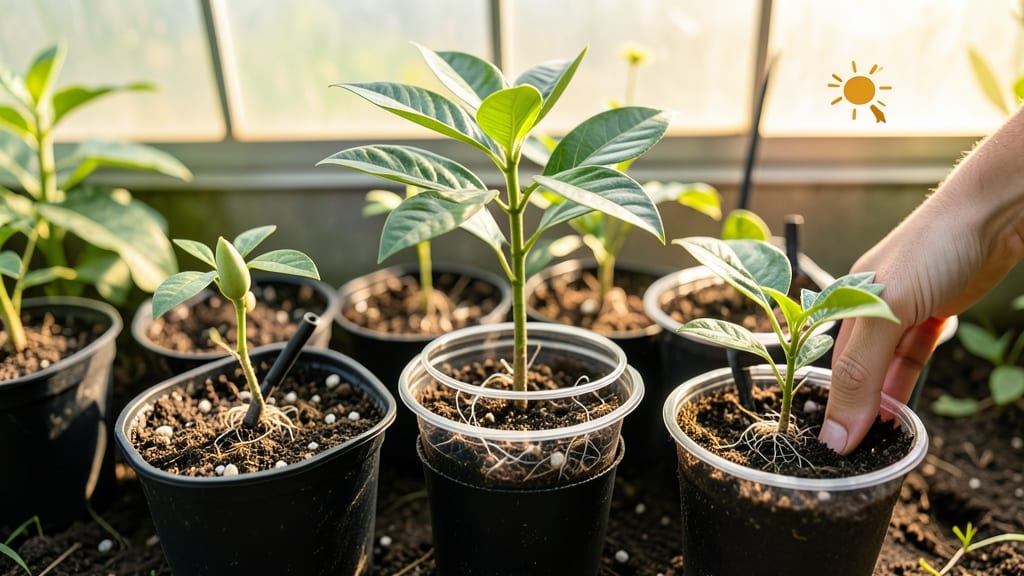
Watching the mango seed growth stages unfold is like witnessing nature’s patience in action—those first green shoots breaking through the soil after 3-4 weeks feel like a miracle you helped create. ✨ I’ve watched dozens of seeds take their time, and the wait is worth it when you see that first true leaf unfurl, bright green and determined.
The journey from seed to sapling in just 90 days teaches you more about plant resilience than any textbook ever could.
Each stage demands different care: keeping the soil warm and moist for germination, then shifting to bright indirect light as the seedling grows its first leaves. Too much water drowns the roots; too little stunts growth. My best advice?
Use a clear plastic bag to trap humidity during germination—it’s the secret to faster sprouting without fuss. Once the first leaves appear, you’ll know you’re on the right track toward a future tropical canopy.
By day 60, your seedling will sport its third set of leaves—thicker, darker, and ready for a bigger pot. This is when most gardeners panic, thinking the plant needs full sun. Wrong. Young mango seedlings burn easily, so morning light is your friend.
With proper care, you’ll see the first signs of woody stem formation by day 80, proving your little tree is building strength for its future.
The real magic happens when you notice tiny buds forming—though flowering takes years, this early sign means you’ve nurtured a plant with serious potential. Common mistakes? Overwatering, not enough light, or transplanting too soon.
Stick with it, and you’ll have a 3-foot sapling by summer’s end, ready to claim its spot in your garden’s future.
📚 In This Guide
- What you need
- Instructions
- Tips and common mistakes
- Wrapping up and next steps
What you need
- ● Mango seed: 1-2 fresh, viable seeds (harvested from a ripe, organic mango). Tip: Avoid seeds from hybrid or grafted mangoes—they may not produce true fruit!
- ● Small pots or seed trays: 2-3 (4-6 inches deep) with drainage holes. Pro tip: Use biodegradable pots for easy transplanting later!
- ● Well-draining potting mix: 2-3 bags (cactus/succulent mix or a 50/50 blend of peat moss and perlite). Avoid heavy garden soil—it retains too much moisture.
- ● Spray bottle: 1 (for gentle watering during early stages).
- ● Plastic wrap or humidity dome: 1 (to create a mini greenhouse effect).
- ● Grow lights or sunny windowsill: Access to 6-8 hours of indirect sunlight daily (or a LED grow bulb if natural light is limited).
- ● Fertilizer: 1 bottle of balanced, water-soluble fertilizer (5-5-5 or 10-10-10 NPK ratio) for later stages.
- ● Pruning shears: 1 pair (for trimming leggy sprouts or dead leaves).
- ○ pH testing kit: 1 (optional, to check soil pH—ideal range: 5.5-6.5).
- ● Mulch (e.g., coconut coir or straw): 1 small bag (to retain moisture in sapling stage).
- ● Larger container (5-gallon pot or nursery bed): 1 (for transplanting once the seedling is 6+ inches tall).
- ● Support stake: 1 bamboo or wooden stake (3-4 feet tall, for taller saplings).
Step-by-step guide to mango seed growth stages
Watch your mango seed transform from a tiny sprout to a sturdy sapling in just three months.
🌱 Step 1: Germinate the Seed in Warm, Moist Conditions
Start by soaking the mango seed in warm water for 24 hours to soften the hard outer shell. Place it between two damp paper towels in a sealed plastic bag—this mimics the humid tropical environment where mangoes thrive. Keep the bag in a warm spot (75-85°F), like on top of a refrigerator or near a sunny window.
Check daily for moisture—if the towels dry out, mist them lightly. Germination typically takes 10-21 days, but be patient if your home runs cooler. You'll know it's ready when a tiny white root (radicle) appears, followed by a curled sprout (hypocotyl). Avoid moving the seed once it starts growing to prevent root damage.
🌿 Step 2: Transplant into Soil When Sprout Reaches 2 Inches
Once the sprout grows to about 2 inches tall, carefully transfer it to a small pot (3-4 inches deep) filled with a mix of 50% potting soil and 50% perlite for drainage. Gently remove the seed from the paper towel, ensuring the root stays intact. Plant it ½ inch deep—too deep slows growth, while too shallow exposes roots to drying.
Water lightly until the soil feels damp, then place the pot in bright, indirect light (no direct sun yet). Mango seedlings are sensitive to temperature swings, so keep them in a stable environment. You'll notice the first true leaves (not the initial seed leaves) emerge within 2-3 weeks. These leaves signal the seedling is photosynthesizing on its own.
☀️ Step 3: Acclimate to Sunlight Gradually Over 4 Weeks
After the seedling establishes 4-6 true leaves, introduce it to morning sunlight for 1-2 hours daily, increasing exposure by 1 hour every 3 days. Mango trees need full sun (6+ hours) to thrive, but sudden direct light can scorch delicate leaves. Watch for signs of stress—yellowing or curling leaves mean it’s getting too much sun too soon.
Rotate the pot quarter-turn weekly to prevent leaning toward the light. By week 6, the seedling should tolerate 4-5 hours of direct sun. Fertilize lightly with a balanced 10-10-10 liquid fertilizer (½ strength) to encourage leafy growth. Avoid overwatering—let the top ½ inch of soil dry between waterings to prevent root rot.
⏰ Step 4: Prune and Strengthen for Sapling Stage by 90 Days
At 90 days, your mango seedling should be 12-18 inches tall with a sturdy stem. Pinch off the top set of leaves to encourage branching—this mimics natural pruning in mature trees. Use clean scissors to make a 45-degree cut just above a leaf node. New growth will sprout from the sides, creating a bushier shape.
Repot into a 5-gallon container if roots are circling the pot (gently tug the plant—resistance means it’s root-bound). Reduce watering slightly as the larger pot holds moisture longer. By this stage, the seedling should handle full sun daily and occasional outdoor exposure (if temperatures stay above 55°F). Keep an eye out for pests like aphids—wipe leaves with a damp cloth if you spot them.
Tips & tricks for perfect mango seed growth
Here's what nobody tells you about nurturing your mango seed through each delicate stage.
Germination Environment: The 24-hour soak is crucial—don't skip it! Warm water softens the seed's tough outer shell, but the real magic happens in that sealed plastic bag. I learned this the hard way after watching seeds dry out in just 12 hours. Place a small dish of water near the bag to maintain humidity without over-saturating the towels. The goal is to mimic tropical rainforest conditions where mangoes naturally grow.
Transplanting Technique: When your sprout reaches 2 inches, handle it like you would a newborn—gently but with purpose. The 50% potting soil/perlite mix is non-negotiable for drainage, but here's the secret: tap the pot lightly after planting to eliminate air pockets around the roots. This ensures immediate contact with moisture. I've seen seedlings fail because the root stayed curled from the paper towel, so gently straighten it during transplant.
Sunlight Acclimation: That gradual 1-hour weekly increase is your best defense against sunburn. Start with just 1-2 hours of morning sun—think of it like giving your seedling a gentle tan. Watch for subtle signs: healthy leaves should be deep green, while stressed leaves develop yellow edges. I keep a small notebook by my windowsill to track sunlight hours and leaf condition. By week 6, when your seedling tolerates 4-5 hours, you'll notice the leaves develop a slightly waxy texture—this is your signal it's ready for more.
Pruning Insight: The 45-degree angle cut is everything when pruning at 90 days. This angle prevents water from pooling at the cut site, which could lead to rot. Use clean scissors and make the cut just above a leaf node—this is where new growth will emerge. I've seen people make straight cuts, and while the plant survives, it never develops that bushy, productive shape we want. Think of it like sculpting: you're shaping the tree's future growth pattern.
Pro Tips for Mango Seed Growth Stages
- Here's what nobody tells you about nurturing your mango seed through each delicate stage.
- Germination Environment: The 24-hour soak is crucial—don't skip it!
- Transplanting Technique: When your sprout reaches 2 inches, handle it like you would a newborn—gently but with purpose.
Frequently asked questions
Got questions about growing mango trees from seed? You’re not alone!
Here are answers to the most common queries to help you navigate each stage—from sprouting to sapling—with confidence.
How long does it take for a mango seed to sprout?
A mango seed typically sprouts within 14–30 days if kept in warm, moist conditions (70–85°F). Patience is key—some seeds may take longer, especially if stored improperly. Keep the soil consistently damp (not soggy) and place the pot in bright, indirect light to speed up germination. Pro tip: A humidity dome or plastic wrap can help retain moisture during this stage.
Can I speed up the growth of my mango seedling?
While you can’t rush nature, you can optimize conditions! Ensure your seedling gets 6+ hours of sunlight daily and fertilize lightly (with diluted organic fertilizer) once leaves appear. Avoid overwatering—let the top inch of soil dry out between waterings. A warm, sheltered spot (like a greenhouse or sunny windowsill) also boosts growth. Warning: Avoid cold drafts or sudden temperature drops, which can stunt progress.
What if my mango seed doesn’t sprout at all?
Don’t worry—seeds can be finicky! First, check if the seed is viable by testing its float (healthy seeds sink). If it’s fresh but still dormant, try soaking it in warm water for 24 hours before replanting. If the seed is old or damaged, it may not sprout. Alternative idea: Try another seed or consider grafting a branch onto a rootstock for faster results.
How do I know when to transplant my sapling outdoors?
Wait until your sapling is 12–18 inches tall with a sturdy stem and at least 4–6 leaves. Transplant on a warm, cloudy day (spring or summer) to avoid shock. Harden it off first by placing it outside for a few hours daily, gradually increasing exposure. Choose a spot with well-draining soil and full sun—mango trees thrive in heat! Timing tip: Avoid transplanting during frost or extreme heat.
Will my homegrown mango tree produce fruit?
Most likely, no—unless you have two trees for cross-pollination! Mango seeds often grow into trees that produce small, inedible fruit or none at all. For edible mangoes, consider grafting a known variety onto your seedling or purchasing a young tree from a nursery. Fun fact: Even non-fruiting trees add beauty and shade to your lawn!
Wrapping up and next steps
Growing a mango seed into a thriving sapling in just 90 days is a rewarding journey filled with tiny victories and big lessons! 🌱 From sprouting your seed to nurturing a sturdy young plant, each stage teaches patience and care.
Whether you’re dreaming of a backyard mango tree or simply love the magic of nature, your efforts have set the foundation for something truly special.
Now that you’re armed with the right knowledge, take the next step—plant your seed with confidence and watch it grow! Keep experimenting, stay curious, and enjoy the process. Before you know it, you’ll be harvesting your own mangoes (or sharing your green thumb with the world!).