
Lawn
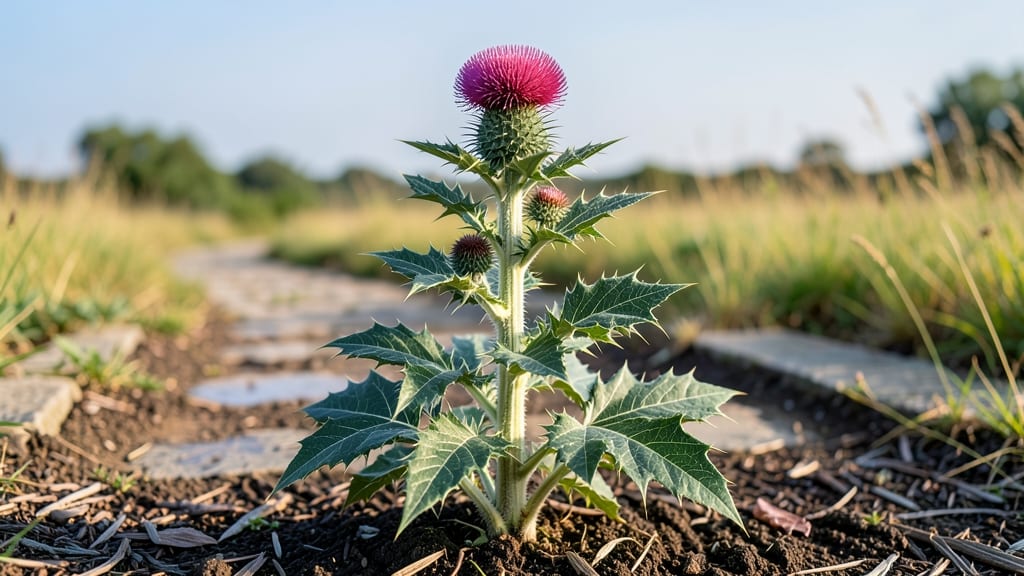
Growing milk thistle from seed means bold, spiky foliage that thrives with minimal fuss—perfect for pollinator gardens or edible landscapes. 🌱 I’ve grown this striking plant for years, and the secret to reliable harvests lies in understanding its quirks: it loves well-drained soil, full sun, and a little neglect.
The twist-free harvesting method I’ll share ensures seeds stay viable for planting next year.
Start with seeds in spring, planted ½ inch deep in loose, rocky soil—this plant hates soggy roots. Give it 6-8 hours of sunlight daily, and water only when the top inch of soil feels dry.
Milk thistle tolerates drought once established, but young plants need consistent moisture. Pests rarely bother it, though slugs might nibble seedlings; a simple beer trap fixes that.
By midsummer, you’ll see those iconic purple flowers with white stripes—each one a future seed head. When the blooms fade and turn brown, cut the stems and let them dry indoors.
Shake out the seeds in late fall, store them in a cool, dry place, and you’ve got a year-round supply for next season’s garden.
This plant works as a living centerpiece in cottage gardens or a low-maintenance edible (young leaves are nutritious). Just avoid planting where kids or pets play—the spines are sharp! Whether you’re growing for beauty, pollinators, or health benefits, milk thistle delivers with almost no effort.
📚 In This Guide
- What you need
- Instructions
- Tips and common mistakes
- Wrapping up and next steps
What you need
- ● Milk thistle seeds – Purchase Silybum marianum seeds (1–2 oz per 10 sq ft of planting area). Opt for organic, non-GMO seeds for the best results.
- ● Well-draining soil – A mix of 60% garden soil, 30% compost, and 10% perlite or coarse sand (pH 6.0–7.5). Test soil pH before planting.
- ● Planting containers or beds – Containers: 5–7 gallon pots (minimum 12" deep) with drainage holes.
- ● In-ground: Full sun (6+ hours/day) with loose, fertile soil.
- ● Organic fertilizer – Slow-release, balanced (e.g., 10-10-10) or compost tea for nutrient-rich growth.
- ● Mulch – Straw or shredded leaves (1–2 inches) to retain moisture and suppress weeds.
- ● Hand trowel or transplanting spade – For digging holes (2–3" deep).
- ● Watering can or hose with gentle nozzle – Avoid over-saturating seeds.
- ● Pruning shears – For harvesting seed heads once mature.
- ○ Drying rack or mesh bag – To cure seeds indoors (optional but recommended for storage).
- ○ Gloves (optional) – Milk thistle has spiky leaves—protect your hands!
- ● Hardiness zone: 3–10 (cold-hardy but thrives in warm climates). Start seeds indoors 4–6 weeks before last frost if in cooler zones.
- ● Watering schedule: Keep soil consistently moist (not soggy) until germination (7–14 days). Reduce watering once established.
- ● Pollination: Milk thistle is self-pollinating, but bees and butterflies help. Plant near wildflowers to attract pollinators.
Step-by-Step instructions for growing milk thistle seeds
Here's how to cultivate this hardy perennial for reliable seed harvests without the frustrating twist method.
🌱 Step 1: Choose the Right Planting Location and Soil
Milk thistle thrives in full sun with at least 6-8 hours of direct light daily. I always select a spot with well-draining soil—thistle roots hate soggy conditions. If your soil is heavy clay, amend it with 2-3 inches of compost mixed into the top 12 inches of soil before planting.
You'll know you've chosen correctly when the soil feels slightly gritty when squeezed and water drains through within 30 minutes of watering. Test your site's drainage by digging a 12-inch deep hole, filling it with water, and timing how long it takes to drain completely. If it pools for more than an hour, improve drainage by adding coarse sand or gravel.
🌱 Step 2: Sow Seeds at the Optimal Time and Depth
Plant seeds in early spring, about 4-6 weeks before your last frost date, or in late summer for a fall harvest. Milk thistle seeds germinate best at soil temperatures between 60-75°F. Scatter seeds ¼ inch deep and space them 18-24 inches apart—they'll spread quickly, so give them room.
Don't cover seeds too deeply; they need light to trigger germination. I like to press them gently into the soil with my fingers, then lightly mist the area with water. You'll see the first true leaves emerge in 10-20 days, depending on soil warmth. If germination takes longer than three weeks, the soil may be too cold—consider using a cold frame or row cover to warm it.
☀️ Step 3: Maintain Water and Fertility Without Overindulging
Water deeply but infrequently—milk thistle is drought-tolerant once established. I water mine once a week during the first growing season, allowing the soil to dry out completely between waterings. Overwatering causes root rot, which is nearly impossible to recover from.
Fertilize lightly in early spring with a balanced 10-10-10 fertilizer applied at half strength. Too much nitrogen produces lush foliage but weak stems, which collapse under the weight of seed heads. You'll know your plant is happy when it grows 3-5 feet tall with sturdy, upright stems by midsummer.
✂️ Step 4: Harvest Seeds Before They Scatter
Watch for seed heads to form in late summer or early fall—they'll appear as spiky, spherical clusters. Harvest when 50-70% of the seeds inside turn brown, usually 6-8 weeks after flowering. Cut the entire seed head with a clean pair of pruners, leaving 2-3 inches of stem attached.
Hang the seed heads upside down in a dry, well-ventilated area for 2-3 weeks. You'll hear the seeds rattle inside as they dry completely. Once fully dry, gently rub the seed head between your hands to release the seeds. Store them in a cool, dark place in an airtight container for up to 3 years.
🌿 Step 5: Prevent Self-Seeding and Manage Growth
Milk thistle spreads aggressively, so cut back stems to 6 inches tall in early spring to encourage bushier growth. This also prevents unwanted seedlings from popping up everywhere. I always wear gloves—those spines are no joke!
If plants become too crowded, thin them to 12-18 inches apart to improve airflow and reduce disease risk. You'll notice healthier plants with fewer yellow leaves and stronger stems after thinning. Divide mature plants every 3-4 years to rejuvenate growth and maintain vigor.
Tips & tricks for perfect milk thistle seed cultivation
Common pitfalls—and how to sidestep every one when growing milk thistle seeds.
Site Selection Secret: In Step 1, when choosing your planting location, prioritize areas with 6-8 hours of direct sunlight and avoid low spots where water pools. I've learned the hard way that even a slight depression can turn your well-draining soil into a soggy mess—milk thistle roots will rot if they sit in damp conditions for more than 30 minutes. For extra insurance, consider raised beds if your yard has poor drainage.
The Germination Game-Changer: For Step 2, don't rush the seed depth—press them just ¼ inch deep into the soil rather than burying them. The key is light exposure for germination, and I've found that gently pressing with your fingers gives you better control than scattering. If your soil is particularly dry, a light misting afterward helps maintain consistent moisture without creating puddles that could drown your seeds.
Watering Wisdom: In Step 3, the once-a-week watering schedule is crucial, but timing matters just as much. Water in the early morning to allow foliage to dry completely before evening. This prevents fungal issues that can weaken stems before they develop those prized seed heads. I've seen plants with perfect drainage still fail because of evening watering—don't make that mistake.
Harvest Timing: For Step 4, the 50-70% brown seed rule is your best indicator, but I've found that waiting until 60% brown gives you a slightly longer drying window. Cutting too early means immature seeds, while waiting too long risks them scattering. Hang your seed heads in a dry, well-ventilated area—a mesh bag works perfectly if you don't have a dedicated drying rack.
Pro Tips for Milk Seed Thistle
- Common pitfalls—and how to sidestep every one when growing milk thistle seeds.
- Site Selection Secret: In Step 1, when choosing your planting location, prioritize areas with 6-8 hours of direct sun...
- The Germination Game-Changer: For Step 2, don't rush the seed depth—press them just ¼ inch deep into the soil rather ...
Frequently asked questions
Got questions about growing and using milk thistle seed?
Here are some of the most common ones—plus quick, practical answers to help you succeed!
When is the best time to plant milk thistle seeds?
Plant milk thistle seeds in early spring (after the last frost) or late summer for a fall harvest. The seeds thrive in warm soil (60–70°F) and need full sun (6+ hours daily). If you’re in a cooler climate, start seeds indoors 6–8 weeks before the last frost for a head start!
How long does it take for milk thistle to produce seeds?
From seed to harvest, milk thistle typically takes 90–120 days to mature. The flower heads (where seeds form) appear in mid-summer, and seeds are ready to harvest when the bracts turn brown and dry. Patience pays off—don’t rush it!
Can I reuse milk thistle seed heads for multiple harvests?
No, each flower head produces seeds only once. Once you harvest the seeds, the head is spent. However, the plant may produce multiple secondary flower heads later in the season, giving you extra chances for a second harvest if you’re lucky!
Are there any pests or diseases I should watch for?
Milk thistle is generally pest-resistant, but watch for aphids or caterpillars on young plants. Fungal issues (like powdery mildew) can occur in humid conditions—improve airflow and avoid overhead watering. If problems arise, neem oil or insecticidal soap can help. Stay vigilant!
What’s a good alternative if milk thistle seeds are hard to find?
If milk thistle seeds are scarce, try nigella sativa (black cumin) or echinacea for similar drought tolerance and medicinal benefits. For a twist-free harvest, sunflower seeds are another great option—they’re easy to grow and store!
Wrapping up and next steps
Growing milk thistle seed is a rewarding way to ensure a steady, twist-free harvest and year-round storage—perfect for gardeners who love self-sufficiency! 🌱 With the right soil, spacing, and timing, you’ll enjoy healthy plants and reliable seed production.
Whether you’re new to gardening or a seasoned pro, this guide gives you the confidence to grow with ease.
Ready to take the next step? Start small, experiment with your setup, and soon you’ll be sharing your milk thistle seed bounty with friends or preserving it for future seasons. Happy growing! 🌟