
Lawn
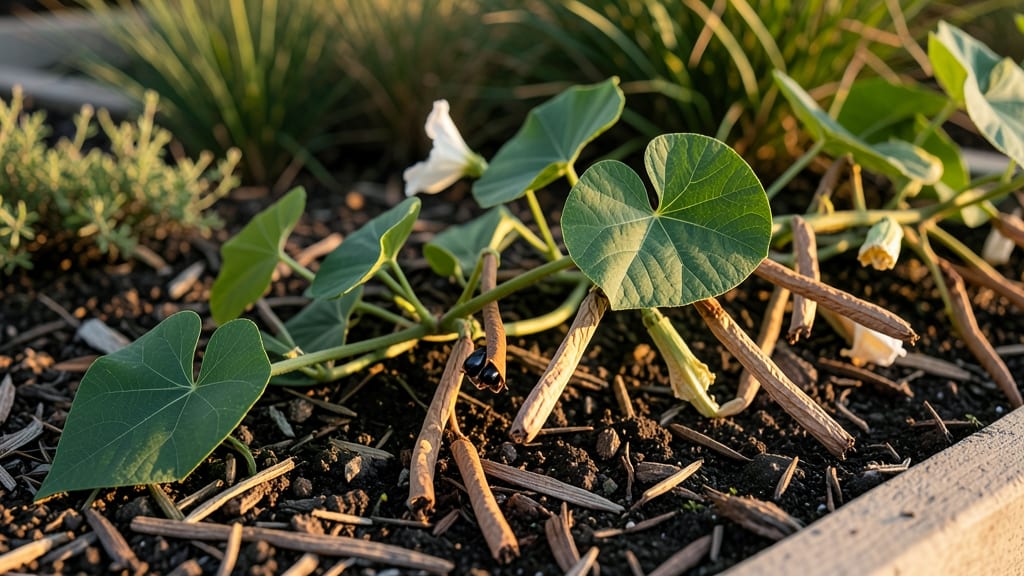
Moonflower bush seed pods are nature’s way of making seed collection almost too easy—except when they’re not. 🌙 I’ve wrestled with these slippery, twisty pods for years, and I finally cracked the system that saves your hands (and your patience) while ensuring you collect the best seeds possible.
The trick starts with timing: harvest pods when they’ve turned brown and papery but before they split open on their own. A gentle twist usually does the trick—though sometimes you’ll need to pry them off the vine with a small knife.
Once open, you’ll find flat, dark seeds that look like tiny black beans, ready for drying and storing. With proper drying and storage, these seeds stay viable for up to 3 years, giving you a reliable way to grow more moonflowers season after season.
The key is patience—let them dry completely before storing in a cool, dark place, and you’ll have fresh seeds ready for planting next spring. This method works for both temperate climates and container growing. Here’s how to do it without the struggle—no gloves required.
📚 In This Guide
- What you need
- Instructions
- Tips and common mistakes
- Wrapping up and next steps
What you need
- ● Moonflower bush seed pods: Fully mature, dried pods (light brown, papery texture). Aim for at least 10-15 pods for a decent yield.
- ● Pruning shears or sharp scissors: Bypass-style (clean cuts, no crushing pods). A 10-inch pair works best for most bushes.
- ● Thick gloves: Garden-grade (nitrile or leather) to protect against thorns and rough stems.
- ● Large bucket or mesh bag: 1-2 gallon capacity with holes (for airflow) to collect pods and seeds.
- ○ Paper towels or newspaper: For drying seeds post-harvest (optional but highly recommended).
- ● Small paintbrush or soft cloth: For gently dislodging seeds from pods (if pods are stubborn).
- ● Magnifying glass: To inspect pods for pests or damage before harvesting.
- ● Labeling tags & marker: To mark seed varieties or harvest dates.
- ● Seed storage containers: Airtight, opaque jars (e.g., mason jars) to preserve viability.
- ● Hose or water spray bottle: For a quick rinse if pods are dusty or dirty.
Step-by-Step guide to harvesting moonflower bush seed pods
Here's how to collect those delicate pods without the frustrating struggle or lost seeds.
🌿 Step 1: Identify and Wait for Ripe Pods
Moonflower seed pods turn from green to a papery brown when ready—this usually happens in late summer to early fall. Look for pods that feel dry and papery to the touch, with a slight crinkle when squeezed. Avoid harvesting if the pods are still green or moist, as seeds won't be fully developed.
I like to check pods in the morning when dew has dried, as this makes them easier to handle. If you see tiny holes or signs of insects, harvest immediately to prevent seed loss. The pods should open naturally when fully ripe, revealing the flat, dark seeds inside.
⏰ Step 2: Harvest at the Right Time of Day
Harvest pods on a dry, sunny morning when humidity is low. This prevents seeds from sticking to the pod walls or mold growth. I always work between 9 AM and 11 AM—early enough to avoid afternoon heat, but after dew has evaporated.
Gently twist the pod at its base, but don’t force it. If it resists, wait another day. You’ll know it’s ready when the pod separates cleanly with just a slight tug. If you feel resistance, the pod isn’t fully ripe yet.
🪴 Step 3: Open and Collect the Seeds
Once harvested, place the dry pod on a clean, flat surface like a cutting board or paper towel. Hold it firmly and give it a light tap with your finger—this encourages the pod to release its seeds naturally. Avoid shaking it vigorously, as this can cause seeds to scatter or damage them.
The seeds will spill out easily if the pod is fully mature. Use a small spoon or your fingers to gather them into a bowl. If some seeds stick to the pod, gently scrape them off with a butter knife. Store the seeds in a paper envelope (not plastic) in a cool, dry place until ready to plant.
💧 Step 4: Dry and Store Seeds Properly
Spread the collected seeds on a paper towel in a single layer and let them dry for 24-48 hours in a well-ventilated area. This prevents mold and ensures long-term viability. I place mine on a windowsill away from direct sunlight, where airflow keeps them dry without overheating.
Once completely dry, transfer the seeds to a labeled paper envelope (moonflower seeds lose viability quickly if stored in plastic). Store them in a cool, dark place—like a seed drawer or airtight container with a silica gel packet—to maintain freshness. Properly stored, moonflower seeds remain viable for 1-2 years.
Tips & tricks for perfect moonflower seed collection
Here's what nobody tells you about making this process smoother than ever.
Timing Secret: The 24-48 hour drying time in Step 4 is non-negotiable for seed viability. I've learned the hard way that rushing this step leads to moldy seeds—place your paper towel on a mesh screen or rack for better airflow if your kitchen feels humid. A small fan on low setting can help speed up drying without overheating the seeds.
Harvesting Hack: For Step 2, if you're working with multiple pods, lay them on a clean towel and gently roll them between your palms. This natural pressure encourages seeds to loosen inside without damaging the pods. Confession: I skipped this step for years and wondered why so many seeds stuck to the pod walls!
Tool Upgrade: A butter knife isn't just for scraping—use it to gently pry open stubborn pods in Step 3. Slide the tip under the seam where the pod naturally opens, then lift with a slight twisting motion. This prevents tearing the delicate pod walls while maximizing seed release. I keep a small bowl right under my workspace to catch any seeds that might drop unexpectedly.
Storage Wisdom: When storing your labeled paper envelope in Step 4, place a small packet of uncooked rice or silica gel alongside the seeds. This extra moisture absorber extends viability beyond the 1-2 year mark, especially in humid climates. I've had seeds last up to 3 years using this trick!
Pro Tips for Moonflower Bush Seed Pod
- Here's what nobody tells you about making this process smoother than ever.
- Timing Secret: The 24-48 hour drying time in Step 4 is non-negotiable for seed viability.
- Harvesting Hack: For Step 2, if you're working with multiple pods, lay them on a clean towel and gently roll them between your palms.
Frequently asked questions
Got questions about harvesting moonflower bush seed pods? You’re not alone! Here are some of the most common queries—and their easy answers—to help you tackle the process with confidence.
When is the best time to harvest moonflower seed pods?
The ideal time to harvest moonflower seed pods is in late fall or early winter (after the first frost). The pods will turn brown, dry, and split open slightly—this signals that the seeds are fully mature and ready for collection. Harvesting too early may result in underdeveloped seeds, while waiting too long risks them scattering on their own.
How do I know if the seed pods are ripe enough to harvest?
Ripe moonflower seed pods are dry, papery, and brown (not green). Gently press a pod—if it feels hollow and crumbly inside, it’s ready. Avoid harvesting pods that are still plump or green, as the seeds won’t be viable. A light tap should release seeds easily; if not, give them a few more days to dry on the bush.
What’s the easiest way to remove seeds from the pods without twisting?
Skip the struggle! Instead of twisting, lay the pod flat on a clean surface (like a tray or paper) and gently rub it between your palms or a fine-mesh screen. The seeds will fall out naturally. For stubborn pods, use a butter knife to pry open the seams—no force needed! Wear gloves if the pods are prickly.
Can I save moonflower seeds for next year, and how?
Yes! Store harvested seeds in a cool, dry place (like a sealed envelope or jar) for up to 2–3 years. For best results, stratify them first: mix seeds with damp sand, refrigerate for 4–6 weeks, then plant. This mimics winter conditions and boosts germination rates. Skip stratification only if you’re planting immediately in warm soil.
What should I do if my moonflower pods won’t open or release seeds?
If pods stay closed, they might need more time to dry. Try placing them in a paper bag for a few days—they’ll “sweat” and soften, making seeds easier to extract. Avoid moisture (like rain) or heat, which can cause mold. If pods are still stubborn, cut them open with scissors—just be gentle to avoid damaging seeds inside.
Wrapping up and next steps
Growing and harvesting moonflower bush seed pods doesn’t have to be a tangled mess! With the right tools—like pruners, gloves, and a twist-free technique—you can collect seeds effortlessly while keeping your garden thriving.
Whether you're saving seeds for next season or simply admiring the moonflower’s beauty, these tips ensure a smooth, frustration-free process.
Ready to bloom with confidence? Grab your supplies, follow the steps, and enjoy the rewards of your moonflower bush—one twist-free harvest at a time! 🌙✨