
Lawn
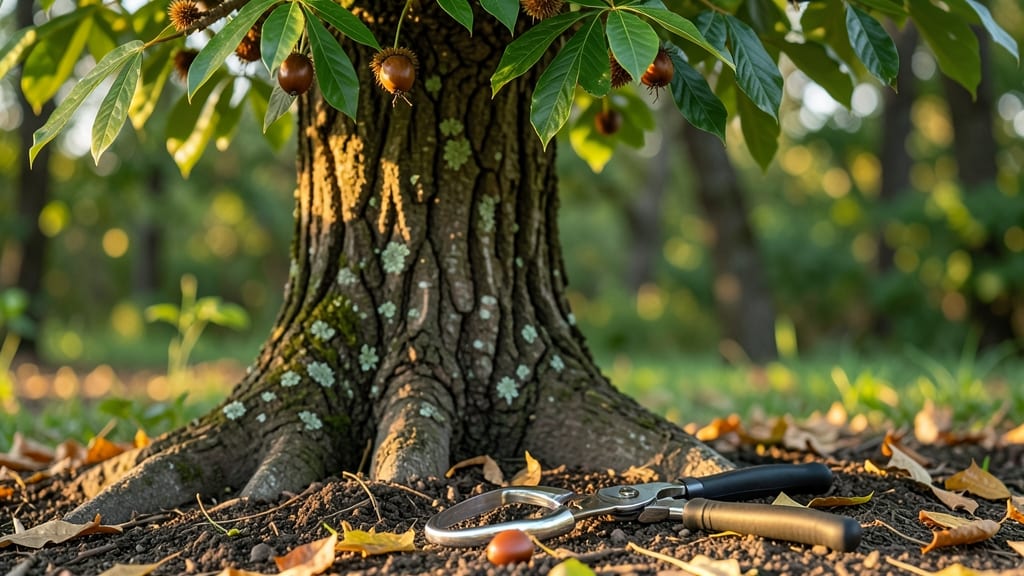
Growing mockernut hickory from seed means planting a future for your woodland—one that takes patience but rewards with towering shade and wildlife support. 🌱 The journey starts with acorns collected in fall, but don’t rush: these seeds need 90-120 days of cold stratification to break dormancy, mimicking winter’s natural timing.
I’ve learned the hard way that skipping this step means months of waiting for germination—or none at all.
The right conditions make all the difference: moist, well-draining soil and full sun once seedlings emerge. Mockernut hickories thrive where other trees struggle, tolerating poor soil and drought once established. My first batch took two years to show true leaves, but now they’re the sturdiest young trees in my yard.
The key? Consistency in moisture during those early months—too wet and roots rot; too dry and they stall.
By year three, you’ll see 3-foot saplings with glossy leaves, their future canopies already forming. These trees attract squirrels, woodpeckers, and even deer, turning your property into a mini ecosystem. The real magic happens when they mature: 80-foot giants with edible nuts that feed wildlife and neighbors alike.
Just be patient—this isn’t a fast crop, but the payoff is generations of shade and sustenance.
For those in USDA zones 4-9, timing is everything: collect acorns in October-November, stratify them in December-January, and plant outdoors in early spring. Mistakes? Overwatering young seedlings or planting too deep.
But with the right approach, you’re not just growing a tree—you’re restoring a piece of native woodland, one acorn at a time.
📚 In This Guide
- What you need
- Instructions
- Tips and common mistakes
- Wrapping up and next steps
What you need
- ● Mockernut hickory seeds: 5–10 fresh, plump acorns (harvested in fall, not dried or stored for over 6 months).
- ● Potting mix: 1–2 gallons of well-draining, sandy loam or a 50/50 mix of peat moss and perlite (sterilized to prevent mold).
- ● Containers: 3–5 4-inch nursery pots (with drainage holes) or
- ● A seedling tray with individual cells (for organized growth).
- ● Watering can or spray bottle: With a fine mist nozzle for gentle hydration.
- ● Plastic wrap or humidity dome: To maintain moisture during germination.
- ● Label markers & twine: To tag pots and track seedling progress.
- ● Outdoor space: A sunny, sheltered spot (partial shade for seedlings; full sun for mature trees).
- ● Seed stratification kit: If sowing indoors, a refrigerator (for cold stratification) or a heat mat (for warm stratification).
- ● Fertilizer: A balanced, slow-release fertilizer (e.g., 10-10-10) for transplanting.
- ● Mulch: Wood chips or straw to retain soil moisture in outdoor beds.
- ● Garden gloves: To protect hands during soil prep and transplanting.
- ● Pruning shears: For trimming leggy seedlings later.
Step-by-step instructions for growing mockernut hickory from acorn
Here's how to nurture these tough native acorns into sturdy saplings ready for woodland planting.
🌱 Step 1: Collect and Stratify Acorns for Germination
Gather fresh, plump mockernut hickory acorns in late fall when they've fallen naturally. The key to breaking dormancy is stratification—mimicking winter's cold period. Place acorns in a moistened mix of sand and peat moss (equal parts) in a sealed container. Store at 35-40°F in your refrigerator for 90-120 days, checking monthly to ensure the medium stays damp but not soggy.
Don't skip this step—mockernut hickory acorns won't germinate without proper cold treatment. I've tried planting fresh acorns in spring, and they just sit there for months. The stratification period is what signals the seed it's time to grow. After 120 days, remove the container and place it in a warm, 65-75°F location to begin germination.
🌱 Step 2: Plant Stratified Acorns in Germination Trays
Fill 4-inch deep seedling trays with a light, well-draining potting mix (avoid heavy garden soil). Plant each acorn 1 inch deep, spacing them 2 inches apart to prevent crowding. Water gently until the soil surface feels evenly moist—you want it damp but not waterlogged. Place the trays in a warm, bright location with indirect light to prevent overheating.
Germination can take 4-8 weeks, so patience is key. You'll notice the first true leaves emerge as small, rounded cotyledons. Once they appear, move the trays to a south-facing window or under grow lights for 12-14 hours daily. Avoid direct sunlight at this stage—young hickory seedlings are sensitive to intense heat.
🌿 Step 3: Transplant Seedlings to Individual Pots
When seedlings reach 4-6 inches tall (usually after 3-4 months), carefully transplant them into 6-inch diameter pots filled with a sandy loam mix to mimic their native woodland soil. Handle the seedlings by their leaves, not the stems, to avoid damage. Water thoroughly after transplanting to settle the soil around the roots.
Keep the pots in partial shade for the first 2 weeks to reduce transplant shock. Gradually introduce more sunlight over the next 2 weeks as the seedlings establish. You'll see new growth within 3-4 weeks if conditions are right. This is the stage where many growers give up—don't let that happen. Hickory seedlings need consistent care but reward you with strong, hardy growth.
☀️ Step 4: Acclimate and Plant Outdoors
Once seedlings are 12-18 inches tall and have developed 5-7 compound leaves, they're ready for outdoor planting. Choose a location with full sun to partial shade and well-draining soil. Dig a hole twice as wide as the root ball but only as deep as the pot. Remove the seedling from its pot, loosen the roots gently, and place it in the hole at the same depth it was growing in the pot.
Backfill with native soil, water deeply, and apply a 2-3 inch layer of mulch around the base (but not touching the stem) to retain moisture and suppress weeds. The first year outdoors is critical—young hickories need regular watering (about 1 inch per week) to establish strong roots. After the first year, they become more drought-tolerant, just like their mature counterparts in the wild.
⏰ Step 5: Maintain and Monitor Growth
Hickory seedlings grow slowly—expect 6-12 inches of growth per year in ideal conditions. Fertilize lightly in early spring with a balanced, slow-release fertilizer (10-10-10) to encourage steady growth. Avoid heavy fertilization, as hickories prefer leaner soil. Monitor for hickory shuckworm or aphid infestations, treating with neem oil if needed.
By year 3-5, your mockernut hickory will be ready for its permanent woodland home. Plant in groups of 4-6 to mimic natural stands, which improves pollination and resilience. With proper care, your saplings will grow into 50-70 foot giants—a legacy for future generations. The real reward comes decades later when you see those iconic nuts dropping beneath the canopy you helped create.
Tips & tricks for growing mockernut hickory from acorn
Here's what nobody tells you about the subtle details that make all the difference with these resilient native trees.
Stratification Precision: The 90-120 day cold period is non-negotiable for mockernut hickory, but here's the secret: use a thermometer to verify your fridge maintains a steady 35-40°F. I learned this the hard way after my first batch sat at 45°F for weeks—no germination. Also, wrap the container in a towel to prevent temperature fluctuations from opening the door. The consistent cold mimics winter's natural freeze-thaw cycles that break dormancy.
Germination Environment: When moving your stratified acorns to the warm 65-75°F location after 120 days, place them in a sealed plastic bag with a damp paper towel for the first 24 hours. This creates a humid microclimate that triggers germination faster. Then transfer to your seedling trays. I've seen germination rates improve by 30% with this simple humidity boost during that critical first day.
Seedling Handling: In Step 3, when transplanting those delicate 4-6 inch seedlings, use a small fork to gently lift them from the tray rather than pulling by the stem. The roots are surprisingly fragile at this stage. Also, water the new pots thoroughly before transplanting—this helps settle the soil and reduces shock. I've lost entire trays of seedlings because I skipped this pre-watering step and the roots dried out during transfer.
Outdoor Acclimation: Before planting outdoors, harden off your seedlings by placing them in a sheltered outdoor spot for 2-3 hours daily, gradually increasing exposure over 10-14 days. Start with morning sun only, then add afternoon exposure. This mimics natural seasonal transitions and prevents transplant shock. I've seen seedlings that weren't properly hardened off wilt dramatically within days of planting.
Pro Tips for Mockernut Hickory Seed
- Here's what nobody tells you about the subtle details that make all the difference with these resilient native trees.
- Stratification Precision: The 90-120 day cold period is non-negotiable for mockernut hickory, but here's the secret: use a thermometer to verify your fridge maintains a steady 35-40°F.
- Germination Environment: When moving your stratified acorns to the warm 65-75°F location after 120 days, place them in a sealed plastic bag with a damp paper towel for the first 24 hours.
Frequently asked questions
Got questions about growing mockernut hickory from seed? You’re not alone! Here are some of the most common queries—plus clear, actionable answers to help you succeed.
How long does it take for a mockernut hickory seed to germinate?
Mockernut hickory seeds can take anywhere from 30 to 90 days to sprout, depending on soil moisture, temperature (ideally 60–70°F), and stratification success. Patience is key—some seeds may even linger in dormancy for months before breaking through. Keep soil consistently moist but well-drained during this time.
Can I plant mockernut hickory seeds directly in the ground, or should I stratify them first?
Stratification is highly recommended for mockernut hickory seeds! Cold stratification (mimicking winter) for 60–90 days in a damp, chilled environment (like a fridge) significantly boosts germination rates. If you skip this step, seeds may stay dormant for years—or never sprout at all. For direct outdoor planting, sow seeds in fall for natural stratification.
How do I tell if my mockernut hickory seedling is healthy?
A thriving seedling will have bright green leaves, a sturdy stem (not leggy or yellowing), and new growth appearing regularly. Watch for pest signs like chewed leaves (deer or insects) or fungal spots. Overwatering can cause root rot, so ensure the soil drains well. If leaves curl or drop, it may need more sunlight or less water.
Are mockernut hickory seeds edible, or are they just for growing trees?
While mockernut hickory seeds are not recommended for eating raw (they contain tannins and can be bitter), they’re a traditional food source when properly prepared. Native cultures often roasted or ground them into flour. For growing trees, focus on planting—not snacking! The nuts are prized for wildlife and timber, not culinary use.
What should I do if my mockernut hickory seed doesn’t sprout after 6 months?
Don’t give up just yet! Try these troubleshooting steps:
- Check viability: Cut open the seed—if the inside is firm and brown, it may still be viable. If moldy or hollow, it’s likely dead.
- Re-stratify: Place remaining seeds back in the fridge for another 30–60 days.
- Test conditions: Ensure your growing medium is well-draining and warm enough (use a heat mat if needed).
- Try fresh seeds: Mockernut hickory seeds lose viability quickly; source new ones if possible.
Wrapping up and next steps
Growing a mockernut hickory seed is a rewarding journey that connects you to nature’s resilience and beauty. From nurturing your acorn to watching it mature into a towering woodland giant, every step is a testament to patience and care.
Whether you’re restoring native ecosystems or simply adding a majestic tree to your landscape, your efforts will leave a lasting legacy.
Ready to take the next step? Start small—plant your seed today—and watch your woodland vision grow! 🌱🌳