
Lawn
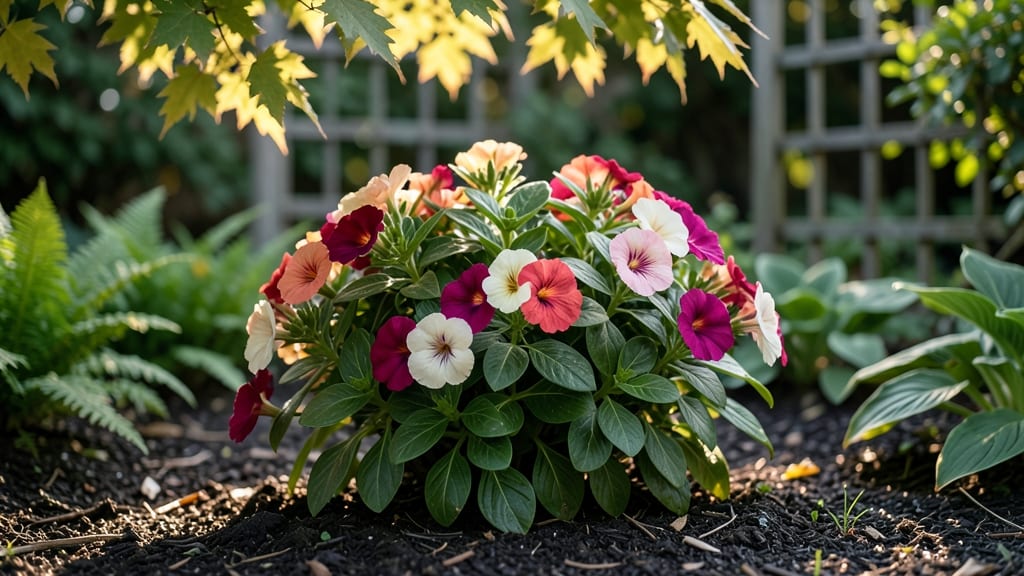
Growing American seed impatiens from seed means bursting blooms in just 60 days—if you nail the cold stratification trick. 🌱 I’ve tried growing these vibrant annuals from seed for years, and the difference between a thriving patch and a sad, leggy mess comes down to this one step: chilling the seeds before planting.
Skip it, and you’ll wait months for color.
The secret starts with the right setup: a cool, dark spot (like your fridge) for 2-3 weeks to break seed dormancy, followed by warm, bright conditions. You’ll need well-draining soil, consistent moisture, and a spot with morning sun and afternoon shade—these plants hate scorching.
Varieties like ‘Super Elfin’ and ‘Gemini’ stay compact, perfect for containers or borders, while taller types like ‘Beacon’ add height to garden beds.
By day 60, you’ll be pinching back leggy stems to encourage bushier growth and handfuls of blooms in shades of pink, red, and white. The key is keeping soil moist (not soggy) and fertilizing lightly every 3-4 weeks.
These plants thrive in humidity, so they’re ideal for shady spots where other annuals struggle.
Common challenges? Overwatering (root rot is real) and aphids (spray with soapy water if you spot them). Use impatiens as colorful fillers in shady gardens, window boxes, or hanging baskets—they’ll outshine anything you’ve tried before. Ready to grow a shade-loving powerhouse?
📚 In This Guide
- What you need
- Instructions
- Tips and common mistakes
- Wrapping up and next steps
What you need
- ● American Seed Impatiens seeds – Start with 10-20 seeds (or more if you’re filling a larger area). Look for cold-stratified or pre-treated seeds for faster germination.
- ● Seed starting trays or small pots – 2-3 inch cell packs or biodegradable pots work best. Aim for 12-24 cells depending on your seed quantity.
- ● High-quality seed starting mix – A lightweight, well-draining mix (avoid garden soil—it’s too dense!). Look for blends labeled for seedlings.
- ● Plastic wrap or humidity dome – Keeps moisture in while seeds germinate. A clear plastic wrap or a humidity lid for trays works perfectly.
- ● Grow lights or sunny windowsill – Impatiens need 12-16 hours of light daily. A full-spectrum LED grow light (10-15 watts) is ideal if natural light is limited.
- ● Misting bottle or spray nozzle – For gentle watering. Avoid soaking the soil—keep it consistently moist but not soggy.
- ● Refrigerator (for cold stratification) – If your seeds aren’t pre-treated, you’ll need to stratify them for 2-4 weeks in a plastic bag in the fridge.
- ● Plant labels & marker – Track varieties (e.g., ‘Super Elfin’ or ‘Accent’) to avoid mix-ups.
- ○ Heat mat (optional) – Speeds up germination if your home runs cool (60-70°F).
- ● Fertilizer (balanced, water-soluble) – Once seedlings sprout, use a diluted 10-10-10 or 5-5-5 mix every 2 weeks.
- ● Transplanting tweezers or spoon – Helps avoid damaging delicate seedlings when moving them to larger pots or outdoors.
- ● Shade cloth (30-50%) – Protects young impatiens from harsh afternoon sun after transplanting.
- ● Garden gloves – Keeps your hands clean (and safe from soil-borne pathogens).
How to grow American seed impatiens from seed
Here's the foolproof method I've used to get vibrant impatiens blooming in just 60 days, even in cooler climates.
🌱 Step 1: Cold Stratify Seeds for Stronger Germination
Impatiens seeds need cold stratification to break dormancy—this mimics winter's natural process. Place the seeds between two damp paper towels, seal them in a plastic bag, and refrigerate for 2-3 weeks. Check weekly to ensure the towels stay moist but not soggy.
This chilling period prevents the common issue of seeds sprouting unevenly. You'll know stratification worked when the seeds develop a slight white coating—this signals they're ready to germinate. Don't skip this step; unstratified seeds often take twice as long or fail entirely.
☀️ Step 2: Sow Seeds in Warm, Well-Draining Medium
Fill small seed trays with a mix of 50% peat moss and 50% perlite to ensure excellent drainage—impatiens roots rot quickly in soggy soil. Moisten the mix until it's damp like a wrung-out sponge, then scatter seeds on the surface. Press them lightly into the medium so they make contact but aren't buried.
Cover the tray with clear plastic wrap to create a greenhouse effect, which keeps humidity high and warmth consistent. Place the tray in a warm spot (around 70-75°F)—a seedling heat mat works wonders here. Germination should begin in 10-14 days, but be patient if your home runs cooler.
🌿 Step 3: Provide Gentle Light and Prevent Leggy Growth
Once seedlings emerge, remove the plastic wrap immediately to avoid fungal growth. Move them under grow lights or to a south-facing window where they'll receive 12-14 hours of bright light daily. Impatiens seedlings stretch toward light like magnets, so keep the lights 2-3 inches above the plants and raise them gradually as the seedlings grow.
Watch for the first set of true leaves (the second set after the initial seed leaves) to appear—this confirms the seedlings are strong enough for a gentle fertilizer application. Use a diluted half-strength liquid fertilizer to avoid burning tender roots. Over-fertilizing now leads to weak stems that flop later.
🪴 Step 4: Transplant Seedlings into Individual Pots
When seedlings reach 2-3 inches tall and have 4-5 true leaves, transplant them into 3-inch pots filled with a mix of potting soil and compost. Handle the seedlings by their leaves, not stems, to prevent damage. Gently firm the soil around the roots to eliminate air pockets, which can cause transplant shock.
Place the pots in a shaded area for 3-5 days to help them adjust. You'll notice the leaves perk up and new growth appear within a week—that's your signal everything is working. Avoid direct sun during this period; impatiens leaves burn easily when transitioning from seed trays to larger containers.
⏰ Step 5: Harden Off and Prepare for Outdoor Planting
Two weeks before your last frost date, start hardening off the seedlings by placing them outside in a sheltered spot for 1-2 hours daily. Gradually increase their outdoor time over 10-14 days, eventually leaving them out overnight. This process toughens the seedlings and prepares them for the garden's conditions.
Plant impatiens outdoors after all danger of frost has passed, choosing a spot with partial to full shade. Space them 8-12 inches apart to allow for bushy growth. Water deeply at planting to settle the soil and encourage root establishment. You'll see vibrant blooms in 60 days if you've followed these steps carefully.
Tips & tricks for growing vibrant impatiens from seed
Real talk: Those first 60 days with impatiens seeds can feel like a waiting game—but these tricks help you skip the guesswork and get those blooms faster.
Cold Stratification Check: After your 2-3 weeks in the fridge, give the seeds one final visual check before planting. If they’ve developed that faint white coating, they’re ready—plant them immediately. If not, extend the cold treatment by another week. I’ve seen seeds that needed a full 4 weeks to show that telltale sign, and they still germinated beautifully.
Medium Mix Matters: The 50% peat moss and 50% perlite ratio is non-negotiable for drainage, but here’s the secret: Sterilize your mix first. Microwave it in a bowl with a splash of water for 2 minutes to kill any lurking fungi. This prevents the dreaded seedling rot that can wipe out your entire tray before germination even begins.
Lighting Strategy: Those 12-14 hours of daily light are critical, but don’t assume your south-facing window is enough. Test your setup by holding a piece of paper under the light—if you can’t read it clearly, your seedlings will stretch like overgrown noodles. LED grow lights are worth the investment; they’re energy-efficient and provide the full spectrum impatiens crave.
Transplant Timing: When you’re ready to move seedlings to 3-inch pots, wait until they’ve developed those 4-5 true leaves and the first set of roots has visibly grown through the drainage holes. This usually happens around day 28-35, but don’t rush—waiting an extra week for stronger roots pays off when you’re planting outdoors.
Pro Tips for American Seed Impatiens
- Real talk: Those first 60 days with impatiens seeds can feel like a waiting game—but these tricks help you skip the guesswork and get those blooms faster.
- Cold Stratification Check: After your 2-3 weeks in the fridge, give the seeds one final visual check before planting.
- Medium Mix Matters: The 50% peat moss and 50% perlite ratio is non-negotiable for drainage, but here’s the secret: Sterilize your mix first.
Frequently asked questions
Got questions about growing American Seed Impatiens? You’re not alone! Here are some of the most common queries—plus quick, actionable answers to keep your blooms thriving.
How long does it take for American Seed Impatiens to flower after planting?
With cold stratification, these beauties often burst into bloom in just 60–70 days after sowing! For faster results, start seeds indoors 8–10 weeks before your last frost date. Patience pays off—those vibrant flowers are worth the wait!
Can I grow American Seed Impatiens in hot or humid climates?
These impatiens are heat-tolerant (up to 90°F) and thrive in humidity—ideal for Southern gardens. Just ensure partial shade (especially in peak afternoon sun) to prevent wilting. Mulch helps retain moisture in dry spells.
Why are my impatiens’ leaves turning yellow or dropping?
Yellow leaves often signal overwatering or poor drainage. Let soil dry slightly between waterings (1–1.5 inches deep). Check for pests like aphids or spider mites—spray with neem oil if needed. Pro tip: Avoid wetting foliage to prevent fungal issues.
Are there alternatives to American Seed Impatiens for shade gardens?
Yes! Try New Guinea Impatiens (more sun-tolerant), Begonias (longer blooms), or Fuchsias (drought-resistant varieties). For annual color, Calibrachoa or Lobelia are great fillers too!
Do I need to deadhead American Seed Impatiens for continuous blooms?
Not strictly necessary—they’re self-cleaning! However, snipping spent blooms encourages more flowers and tidier plants. Use sharp scissors to trim just above the next leaf node. Bonus: Pinch back leggy stems to promote bushiness!
Wrapping up and next steps
Growing American Seed Impatiens is a rewarding way to add vibrant color to your garden in just 60 days—no fancy tricks required!
With the right soil, sunlight, and a little patience (plus cold stratification for a head start), you’ll enjoy lush blooms that brighten up shady spots like no other. Whether you’re a seasoned gardener or a beginner, these cheerful flowers are your ticket to effortless beauty.
Ready to dive in? Start by gathering your seeds and supplies, then follow the steps to kickstart your impatiens adventure. Soon, you’ll be surrounded by a burst of color that’ll make your garden the talk of the neighborhood! 🌸