
Size
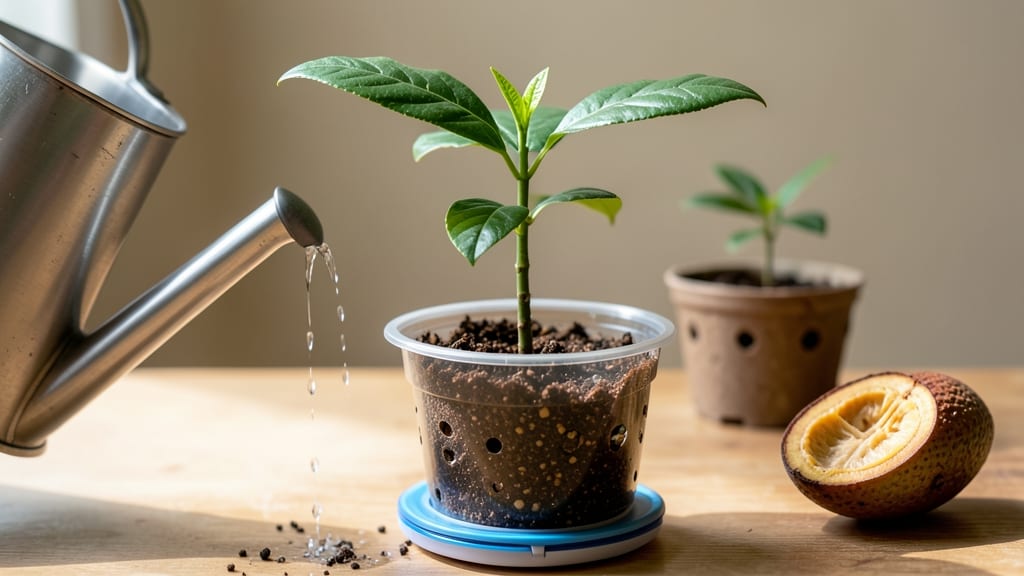
A ripe mango pit holds the potential for a tropical tree right in your garden—no nursery needed. 🌱 I’ve turned grocery-store scraps into 10-foot-tall seedlings—here’s how to skip the nursery and grow your own from seed in just six months, with no green thumb required.
The secret isn’t fancy equipment—it’s patience and the right conditions. Start with a fresh seed, a clear plastic bag, and a sunny windowsill. Most seeds sprout within 2-4 weeks, though some stubborn ones take up to 8.
Once the first leaves appear, you’ll need a 5-gallon pot and well-draining soil to keep it thriving.
By month six, you’ll have a sturdy 3-foot sapling with glossy leaves, ready for transplanting. The real magic? This isn’t just a houseplant—it’s the start of a tree that could bear fruit in 3-5 years (yes, really).
The smell of fresh soil and the sight of new growth make every waiting week worth it.
Even if you live in a cooler climate, this method works indoors year-round. Just give it 6+ hours of sunlight daily and watch it grow—no tropical vacation required. Here’s exactly how to turn that pit into a tree.
📚 In This Guide
- What you need
- Instructions
- Tips and common mistakes
- Wrapping up and next steps
What you need
- ● Mango seed: 1 fresh, plump seed (from a ripe, organic mango if possible).
- ● Small pot or container: 1 (4–6 inches in diameter) with drainage holes. Tip: A biodegradable pot works great for transplanting later!
- ● Well-draining potting mix: 1 bag (look for a blend labeled for seedlings or tropical plants).
- ● Watering can or spray bottle: 1 (to keep soil moist without overwatering).
- ○ Plastic wrap or humidity dome: 1 (optional but helpful for germination).
- ● Grow lights or sunny windowsill: Access to indirect sunlight (6+ hours/day) or a small LED grow light.
- ● Seed tray or egg carton: For starting multiple seeds at once.
- ● Fertilizer (balanced, water-soluble): 1 small bottle (e.g., 10-10-10) for later stages.
- ● Pruning shears: 1 (for shaping the young tree as it grows).
- ● Soil moisture meter: 1 (to avoid over/under-watering).
- ● Mulch (e.g., coconut coir or wood chips): For retaining moisture in outdoor plantings.
- ● Patience! Germination can take 2–6 weeks (sometimes longer).
- ● Access to a warm, humid environment (ideal temp: 70–85°F).
- ● Space for the tree to grow—mango trees can reach 20–30 feet tall!
- ● Commitment to care: Regular watering, pruning, and protection from frost (if outdoors).
Step-by-step instructions for growing a mango tree from seed
Turn that grocery store pit into a thriving tropical tree with these simple steps.
🌱 Step 1: Prepare and Plant the Seed
Start by cleaning the seed—rinse off any remaining fruit pulp and let it dry for a day. I like to soak it in lukewarm water for 12 hours to soften the outer shell, which speeds up germination. After soaking, place the seed between two damp paper towels and fold them so the seed sits snugly. Store this bundle in a sealed plastic bag and keep it in a warm spot, like on top of the fridge.
Check daily for sprouts—you'll see the first signs of growth when a tiny white root appears. This usually happens within 7-14 days, but don't rush it. Once the root reaches about 1 inch, it's time to plant. Use a small pot with drainage holes and fill it with a mix of 50% potting soil and 50% perlite to ensure good airflow. Plant the seed just deep enough so the root sits ½ inch below the soil surface, then water gently until the soil is moist but not soggy.
☀️ Step 2: Provide Warmth and Bright Light
Mango seeds need warmth to grow, so place the pot in a spot with temperatures between 70-85°F. A sunny windowsill facing south works well, but if your home runs cooler, consider using a seedling heat mat. Keep the soil consistently moist—stick your finger in the soil about 1 inch deep. If it feels dry, water lightly. Overwatering is the biggest mistake here; you'll know it's right when the soil looks damp but not wet.
Once the first true leaves appear (not the initial seed leaves), move the pot to a brighter location. Mango seedlings need 6+ hours of sunlight daily. If you're using artificial light, a grow light placed 4-6 inches above the plant works well. You'll see the plant respond within a week—leaves will darken and grow more upright. This is your signal everything is on track.
🪴 Step 3: Transplant and Encourage Growth
After 4-6 weeks, when the seedling has 3-4 true leaves, it's time to transplant into a slightly larger pot. Choose a container that's 2-3 inches wider than the current one to give roots room to grow. Use the same potting soil and perlite mix to maintain drainage. Gently remove the seedling, keeping the root ball intact, and place it in the new pot. Fill in around the roots with soil, pressing lightly to remove air pockets, then water thoroughly.
Continue keeping the soil moist and the plant in warm, bright conditions. This is when you'll start to see real growth—new leaves will emerge, and the stem will thicken. If the plant begins to lean toward the light, rotate the pot a quarter turn every few days to encourage even growth. Real talk: Your first mango tree won't produce fruit for 3-5 years, but watching it grow is worth the wait.
✂️ Step 4: Prune and Care for Long-Term Health
Once your mango tree reaches 12-18 inches tall, it's time to start pruning. Use clean scissors to trim back any leggy or weak growth, focusing on shaping the tree rather than just cutting randomly. Prune just above a leaf node where new growth can sprout. This encourages a bushier, stronger plant. I like to do this in early spring, right before the growing season kicks into high gear.
By the time your tree is 2 feet tall, it’s ready for its first outdoor adventure—if you live in a warm climate. If you're in a cooler zone, keep it indoors near a sunny window or under grow lights. Water when the top inch of soil feels dry, and fertilize lightly every 2 months with a balanced, water-soluble fertilizer. You'll know you're doing it right when the tree grows steadily and develops a sturdy trunk.
Tips & tricks for growing a thriving mango tree from seed
Here's what I've learned from watching my own mango tree grow from a grocery store pit to a lush indoor plant.
Germination Speed-Up: The 12-hour soak is your secret weapon for breaking through that tough outer shell faster. I've found using lukewarm water (not hot) prevents shocking the seed while still softening it effectively. After soaking, I like to place the seed between two damp paper towels and fold them into a little packet—this keeps the moisture consistent and mimics the cozy environment the seed would get in the ground. The key is maintaining that moisture without letting it get soggy, which can rot the seed before it even sprouts.
Lighting Strategy: That 6+ hours of sunlight requirement is non-negotiable for healthy growth, but here's the trick: if you're using artificial light, position it just 4-6 inches above the plant. Too far away and the light gets too diffuse; too close and you risk burning those delicate new leaves. I've seen seedlings grow twice as fast when they get consistent bright light—just watch for leaves that darken and stand up straighter, that's your sign you're doing it right.
Transplanting Timing: The 4-6 week mark for transplanting is perfect because by then your seedling has developed its first true leaves and a stronger root system. I've made the mistake of waiting too long, and the roots get tangled and stressed during the move. When you transplant, keep that root ball intact—gently squeeze the sides of the pot to loosen it rather than pulling. The extra inch of pot width gives roots room to spread out without getting crowded.
Pruning Precision: When your tree reaches 12-18 inches, pruning might seem scary, but focus on removing only the leggy or weak growth. I always look for the leaf node just below where I want to cut—this is where new growth will sprout. Think of pruning as shaping your tree rather than just cutting randomly. Early spring is ideal because it gives your plant time to recover before the growing season kicks in, and you'll notice new growth within a few weeks.
Pro Tips for Mango Seed Grow A Garden
- Here's what I've learned from watching my own mango tree grow from a grocery store pit to a lush indoor plant.
- Germination Speed-Up: The 12-hour soak is your secret weapon for breaking through that tough outer shell faster.
- Lighting Strategy: That 6+ hours of sunlight requirement is non-negotiable for healthy growth, but here's the trick: if you're using artificial light, position it just 4-6 inches above the plant.
Frequently asked questions
Got questions about growing a mango tree from seed? You’re not alone—this tropical adventure has a few quirks! Here are answers to the most common queries to keep your garden thriving.
How long does it take for a mango seed to sprout?
A mango seed typically sprouts within 2 to 4 weeks if kept in warm, moist conditions. Place the seed in a well-draining potting mix (or damp paper towel for faster germination) and maintain a temperature of 70–85°F (21–29°C). Patience is key—some seeds take up to 6 weeks! Pro tip: Soak the seed overnight before planting to speed up germination.
Can I grow a mango tree indoors, or does it need outdoor sunlight?
Mango trees love sunlight and thrive outdoors in USDA zones 10–11 (or warmer climates). However, you can start them indoors near a south-facing window or under a grow light for 6+ hours daily. Once sprouted, transplant outdoors after the last frost—just be prepared to bring it inside if temperatures drop below 50°F (10°C). Warning: Young trees are frost-sensitive!
Will my homegrown mango tree produce fruit like the parent plant?
Probably not! Mango trees grown from seed are unpredictable—they may produce fruit, but it won’t match the parent tree’s variety, size, or flavor. For consistent results, graft a known cultivar onto your seedling once it’s 1–2 years old. Fun fact: Seedlings can take 5–10 years to bear fruit, so enjoy the journey (and the leaves) first!
Why is my mango seedling wilting or turning yellow?
Wilting or yellowing leaves usually signal overwatering, underwatering, or poor drainage. Check the soil—it should stay moist but not soggy. If roots look mushy, repot in fresh, well-draining mix. Yellow leaves can also mean nutrient deficiency; fertilize lightly with a balanced 10-10-10 mix every 2–3 months once the tree is established. Quick fix: Trim damaged leaves to encourage new growth.
Can I grow a mango tree in a pot, or does it need a garden bed?
Yes! Mango trees adapt well to large containers (15+ gallons) if you live in a cooler climate or urban area. Use a fast-draining mix (cactus/succulent blend works) and ensure the pot has drainage holes. Repot every 2–3 years as the tree grows. Just know: Potted mangoes may grow slower and need winter protection (move indoors or insulate the pot). Bonus: Dwarf varieties like ‘Cogshall’ are perfect for containers!
Wrapping up and next steps
Growing a mango tree from a seed is a rewarding journey that turns kitchen scraps into a thriving tropical beauty!
With patience and care, you’ll nurture a plant that could one day bear fruit—all while adding a touch of the tropics to your garden. Start small, stay consistent, and soon you’ll be sharing your green thumb success with the world. 🌱✨
Ready to take the next step? Share your seedling progress with gardening communities or explore advanced care tips to keep your mango tree flourishing for years to come.