
Planting
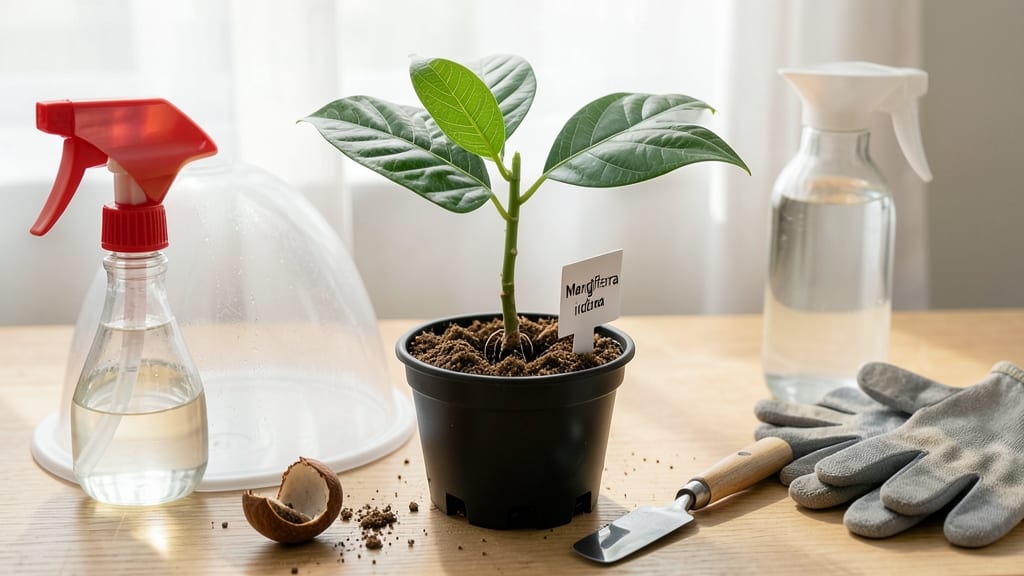
Planting a mango seed in soil unlocks a journey from kitchen scrap to towering tropical tree. 🌱 I’ve watched my first seedling grow from a wrinkled pit to a 3-foot sapling in just six months—proof that patience pays off with lush green leaves and the promise of future fruit.
The secret isn’t magic; it’s mimicking the warm, humid conditions of a mango’s native habitat right in your home or garden.
You’ll need a well-draining potting mix (think 60% coconut coir or peat moss, 30% perlite, and 10% compost), a small container with drainage holes, and a warm spot with bright, indirect light—like a sunny windowsill or under grow lights.
Germination takes time, often 4-8 weeks, but with consistent moisture and warmth, your seed will crack open and send up its first leaves. This is where most beginners rush and overwater, so let the soil stay damp but never soggy.
By month six, your seedling will have outgrown its starter pot and be ready for a larger container or outdoor planting (if you’re in a frost-free zone). The real reward? Watching it develop glossy, deep green leaves and a sturdy trunk—proof that tropical trees aren’t just for greenhouses.
With proper care, you could be harvesting fruit in 3-5 years, though most seed-grown mangoes take longer to bear than grafted trees.
Here’s the kicker: even if your mango never fruits, the process teaches you how tropical plants thrive—and that’s a skill you’ll use for papayas, avocados, and citrus next. Start now, and in six months, you’ll have a living reminder of how small beginnings can grow into something extraordinary.
📚 In This Guide
- What you need
- Instructions
- Tips and common mistakes
- Wrapping up and next steps
What you need
- ● Mango seed: 1 fresh, viable seed (preferably from a ripe, organic mango for best results).
- ● Well-draining potting soil: 2–3 cups of a mix designed for seedlings or tropical plants (or DIY: 60% coconut coir + 30% perlite + 10% compost).
- ● Small pots or seed trays: 2–3 containers (3–4 inches deep) with drainage holes. Pro tip: Plastic nursery pots or biodegradable peat pots work great!
- ● Watering can or spray bottle: With a fine mist nozzle for gentle hydration.
- ○ Plastic wrap or clear lid: To create a mini greenhouse effect (optional but helpful for humidity).
- ● Grow lights or sunny windowsill: A south-facing window or LED grow lights (12–14 hours/day) for seedlings.
- ○ Fertilizer (optional): A balanced, water-soluble fertilizer (5-5-5 NPK ratio) for early growth.
- ● Patience: Mango trees grown from seed can take years to bear fruit—focus on nurturing the tree first!
- ● Warmth: Ideal temperature range: 70–90°F (21–32°C). Avoid drafts or cold windowsills.
- ● Humidity: Tropical seeds love moisture! Aim for 60–70% humidity during germination.
- ● Space: Plan for repotting into a larger container (1–2 gallons) within 6–12 months.
Step-by-Step guide to planting mango seeds in soil
Here's how I turn those tempting mango pits into thriving tropical saplings.
🌱 Step 1: Extract and Prepare the Seed
Start with a ripe mango—never use green ones. Cut the fruit open and remove the large, flat seed inside. Rinse off any remaining fruit pulp and let it air-dry for 24 hours to prevent mold. The seed's outer shell is tough, so I use a knife to carefully score the edges in a cross pattern without cutting too deep. This helps water penetrate later.
Place the scored seed between two paper towels and dampen them until evenly moist but not soaking. Fold the towels around the seed and store in a plastic bag. Keep it in a warm spot (75-85°F)—I like my kitchen counter near the oven. Check daily and mist with water if the towels dry out. You'll see cracks appear in 1-3 weeks as the seed begins to sprout.
🪴 Step 2: Choose and Prepare the Planting Container
Mango seeds need room to grow, so use a 6-inch diameter pot with drainage holes. Fill it with a mix of 50% potting soil and 50% perlite or coarse sand to improve drainage. I avoid garden soil—it compacts too easily and can harbor diseases. Tap the pot gently to settle the mix, then create a small hole about 1 inch deep in the center.
Once your seed shows a 1-inch sprout, it's ready to plant. Gently place it in the hole with the sprouted side facing up. Cover lightly with soil, pressing just enough to hold it in place. Water lightly until the soil feels damp to touch—don't soak it or you'll drown the tender roots.
☀️ Step 3: Provide Warmth and Light for Germination
Mango seeds thrive in warmth, so place your pot in a location with 70-85°F temperatures. A sunny windowsill works, but avoid direct midday sun—it can scorch the delicate sprout. I use a small grow light on a timer for 12 hours daily if natural light is weak. Keep the soil consistently moist but never soggy—stick your finger in to check the top inch.
You'll see the first true leaves (not the initial seed leaves) emerge in 4-8 weeks. This is your signal to start fertilizing lightly with a diluted balanced liquid fertilizer (5-5-5 ratio) every 4 weeks. Watch for yellowing leaves—this usually means overwatering, so let the soil dry slightly between waterings.
🌿 Step 4: Transplant and Encourage Strong Growth
When your sapling reaches 6-8 inches tall with several sets of true leaves, it's time to transplant. Choose a 12-inch pot or a garden spot with well-draining soil. Mangoes love heat and humidity, so if you're planting outdoors, wait until all frost danger has passed and temperatures stay above 60°F at night.
Dig a hole twice as wide as the root ball but only as deep. Gently remove the sapling from its container, loosen the roots if they're circling, and place it in the hole. Fill around the roots with soil, pressing lightly to remove air pockets. Water deeply to settle everything, then mulch with 2 inches of organic mulch to retain moisture and regulate temperature.
⏰ Step 5: Maintain Through the First Year
Mango trees grow slowly at first, so be patient. Water when the top 2 inches of soil feel dry, and feed with fertilizer every 6-8 weeks during the growing season. Prune only to remove dead or crossing branches—never cut back more than 25% of the plant at once. You'll see your sapling develop a sturdy trunk and lush foliage if it gets 6+ hours of sunlight daily.
By the end of the first year, your mango seedling should be 3-5 feet tall with a strong root system. This is when you'll start seeing the classic mango leaf shape and maybe even your first tiny flowers—though fruit production won't happen for 3-5 years. Keep protecting it from cold drafts, and you'll have a tropical tree thriving in your garden.
Tips & tricks for perfect mango seed planting
Turn that mango pit into a thriving tree with these insider tricks that'll make all the difference in your tropical sapling's success.
Seed Preparation: The 24-hour drying period is crucial—skipping it risks mold that can kill your seed before it even sprouts. I like to place the seed on a paper towel in a single layer rather than stacking them, which helps air circulate better and speeds up the drying process. Also, when scoring the seed in Step 1, aim for shallow cuts—just enough to break the surface without piercing all the way through. This creates tiny water channels that help the seed absorb moisture later without compromising its integrity.
Germination Environment: That 75-85°F range is non-negotiable for successful germination, but here's what I've learned about creating that perfect environment: Place your seed setup near a warm appliance like your oven (when it's off) or a sunny window. I've had great success using a clear plastic bag with a few tiny holes poked in it—this traps humidity around the seed while still allowing airflow. The key is maintaining that moist-but-not-soggy paper towel; if condensation forms inside the bag, open it up for 10 minutes to let excess moisture escape.
Transplanting Timing: Waiting for that 1-inch sprout before planting in Step 2 gives your seedling a fighting chance, but here's the trick I use: When the sprout reaches about ½ inch, I gently transfer it to a small nursery pot with the same soil mix before it gets too tall. This gives the roots a chance to establish in a more stable environment before the final transplant. Also, when you're ready to move to the 12-inch pot, make sure to water the seedling thoroughly 24 hours before transplanting—this helps reduce shock to the root system.
Light Management: While natural light is ideal, those 12 hours of grow light per day make all the difference in weak light conditions. I've found that positioning the grow light about 6 inches above the plant and adjusting it as the seedling grows prevents leggy, weak stems. For outdoor planting, if you're in a cooler climate, consider using a small greenhouse or cold frame during the first few weeks to maintain that crucial 60°F minimum temperature. The goal is to mimic the tropical conditions mango trees thrive in.
Pro Tips for Plant Mango Seed In Soil
- Turn that mango pit into a thriving tree with these insider tricks that'll make all the difference in your tropical sapling's success.
- Seed Preparation: The 24-hour drying period is crucial—skipping it risks mold that can kill your seed before it even sprouts.
- I've had great success using a clear plastic bag with a few tiny holes poked in it—this traps humidity around the seed while still allowing airflow.
Frequently asked questions
Got questions about growing mango trees from seeds?
Here are answers to the most common ones—so you can skip the guesswork and focus on nurturing your future tropical tree!
How long does it take for a mango seed to sprout?
A mango seed typically sprouts within 2–4 weeks if kept consistently moist and warm (70–85°F). Patience is key—some seeds may take up to 6 weeks. Keep the soil damp (not soggy) and place the pot in bright, indirect light to encourage germination. Pro tip: If no sprouts appear after 8 weeks, the seed may not be viable—try another!
When is the best time of year to plant a mango seed?
Plant your mango seed indoors anytime year-round, but aim for spring or early summer (March–June) for optimal growth. This gives seedlings a head start before outdoor temperatures stabilize. If starting outdoors, wait until after the last frost (when soil temps are above 60°F) to transplant seedlings.
Can I plant a mango seed directly in the ground?
While possible, planting directly outdoors isn’t recommended for seeds—especially in cooler climates. Seeds need warmth and humidity to sprout, which is easier to control indoors. Start seeds in pots with a 50/50 mix of perlite and peat moss, then transplant seedlings outdoors only after they’re 6+ inches tall and temperatures are consistently warm.
Will a mango tree grown from seed produce fruit?
Yes, but it may take 5–10+ years (vs. 3–5 years for grafted trees), and fruit quality is unpredictable. Seedlings are not true to the parent tree—your mango could be sweeter, sourer, or even a different variety! For faster, reliable fruit, consider grafting later or buying a grafted sapling. Fun fact: Some seed-grown trees produce bigger, hardier fruit!
Why is my mango seed rotting or moldy?
Rotting or mold usually means too much moisture or poor drainage. To fix it:
- Use a well-draining mix (perlite + coconut coir).
- Keep soil moist but not soggy—water only when the top inch feels dry.
- Ensure the seed has one end slightly exposed to air.
- If mold appears, rinse the seed with hydrogen peroxide (3%) or replant in fresh, dry soil.
Wrapping up and next steps
Growing a mango tree from seed is a rewarding journey that blends patience with the joy of nurturing life! 🌱 By following these simple steps—from selecting the right seed to providing ideal care—you’re well on your way to cultivating your own tropical treasure.
Remember, consistency is key, and with time, your little sapling could blossom into a fruit-bearing giant.
Ready to take the next step? Monitor your seedling’s progress and adjust care as it grows. Soon, you might just be harvesting your own homegrown mangoes—what a sweet achievement! 🌟