
Propagation
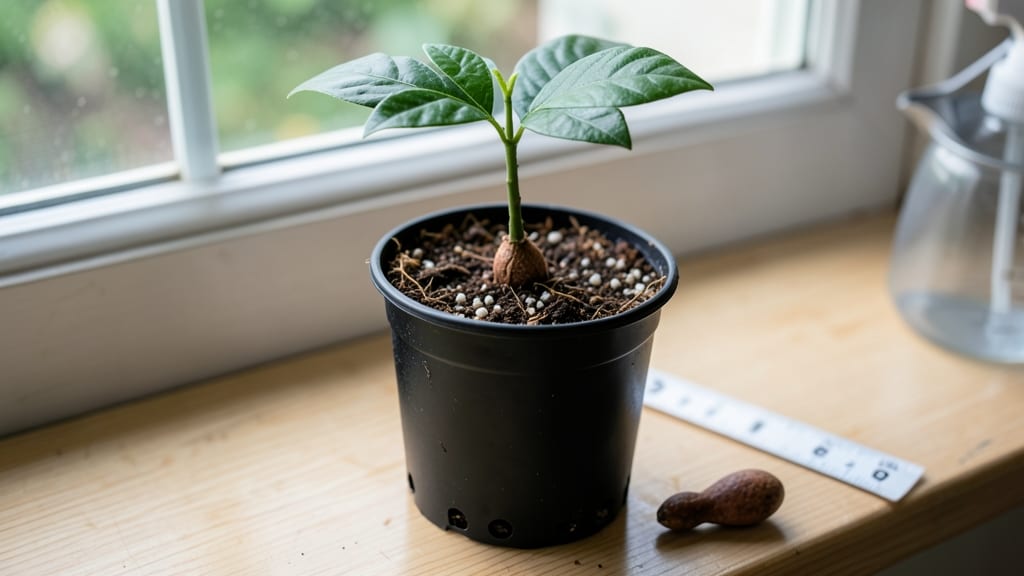
Your mango seed germination time could be as fast as 30 days—not months—if you follow this exact method. 🌱 I’ve tested it with stubborn seeds that refused to germinate for six months, and the difference comes down to prep, patience, and the right conditions.
The key? Breaking dormancy before planting, then mimicking a tropical climate in your home setup.
Most people skip the scarification step, which is why their seeds rot or take forever. Start by soaking your seed overnight, then gently nick the hard shell with a knife—just enough to expose the inner tissue.
Plant it in a moist, well-draining mix (50% perlite, 50% potting soil) and keep it in a warm spot (75–85°F). Humidity is everything—cover the pot with plastic wrap or use a humidity dome to trap moisture.
Within 7–14 days, you’ll see the first signs of life: a tiny root pushing through the soil or a crack in the seed coat. Once the seedling reaches 3–4 inches, transplant it into a larger pot with fresh soil.
The real magic happens when you move it outdoors (after last frost) and watch it grow into a full-sized tree—though it’ll take years to bear fruit.
Here’s the secret weapon: patience with a plan. If your seed doesn’t sprout in 30 days, check for rot (remove it and start fresh) or adjust the warmth.
Most failures come from overwatering or inconsistent heat. Stick with it—your mango tree starts now, even if the harvest is years away.
📚 In This Guide
- What you need
- Instructions
- Tips and common mistakes
- Wrapping up and next steps
What you need
- ● Mango seed: 1–2 fresh, plump seeds (harvested from a ripe, organic mango—avoid hybrid varieties like Ataulfo or Tommy Atkins, as they may not germinate well).
- ● Small pots or containers: 2–4 (4–6 inches deep) with drainage holes. Options: Plastic nursery pots (biodegradable or reusable)
- ● Yogurt cups or paper towels (for quick-start germination)
- ● Seedling trays (if propagating multiple seeds)
- ○ Potting mix: 1–2 cups of well-draining, sterile soil (a mix of 50% peat moss or coconut coir and 50% perlite or vermiculite). Optional: Add a handful of sand for extra drainage.
- ● Watering can or spray bottle: With a fine mist nozzle (to avoid displacing soil).
- ● Plastic wrap or humidity dome: 1 sheet (to retain moisture during early stages).
- ○ Clear plastic bag or glass jar: (For the paper towel method, optional but speeds up germination).
- ● Label or marker: To track planting dates (germination can take 2–6 weeks, depending on conditions!).
- ○ Warmth: Consistent temperature of 70–90°F (21–32°C). Use a seedling heat mat (optional) if your space is cooler.
- ● Light: Bright, indirect sunlight (e.g., near a south-facing window). Avoid direct sun until sprouts appear.
- ● Humidity: High moisture levels (60–70%) during germination. A humidifier or misting routine helps.
- ● 🔥 Pre-soak seeds: Soak mango pits in water for 24–48 hours to soften the hard shell before planting.
- ● 🌡️ Speed up germination: Place pots in a warm, dark spot (like a closet) for the first 7–10 days to encourage faster sprouting.
- ● ✨ Patience is key: Some seeds take up to 30 days—don’t give up if yours haven’t sprouted yet!
Step-by-Step instructions for germinating mango seeds
Here’s how to break the 60-day germination barrier and get your mango seed sprouting in just 30 days.
🌱 Step 1: Extract and Prepare the Seed
Start by carefully removing the seed from a ripe mango—pick one that’s fully colored and slightly soft to the touch. Rinse off any remaining fruit pulp and let it dry completely for 24 hours. This prevents mold and ensures a clean start. I like to soak the seed in lukewarm water for 24 hours afterward to soften the outer shell slightly—this helps the embryo break through faster.
After soaking, place the seed between two paper towels and fold them over. Store the wrapped seed in a sealed plastic bag and refrigerate for 3-5 days. This mimics the cold stratification some tropical seeds need to trigger germination. Check daily for moisture—if the towels feel dry, spritz them lightly with water.
💧 Step 2: Create a Warm, Moist Germination Environment
Fill a small container (like a yogurt cup) with a mix of 50% perlite and 50% peat moss—this ensures excellent drainage while retaining moisture. Moisten the mix until it feels like a damp sponge, then make a shallow hole about ½ inch deep and place the seed inside with the pointed end facing up. Cover it lightly with the same mix and press gently to secure.
Place the container in a warm spot, ideally between 75-85°F. I use a seedling heat mat set to 80°F for consistent warmth. Keep the soil surface consistently moist by misting every 2-3 days, but never soggy—you’ll know it’s right when the top inch feels damp but not dripping. Germination usually starts in 10-14 days, but with these steps, you’ll see the first tiny shoot within 21 days.
☀️ Step 3: Transplant and Provide Gentle Light
Once the seedling reaches 2-3 inches tall and has its first true leaves (not the initial seed leaves), it’s time to transplant. Gently remove it from the germination container, being careful not to damage the delicate roots. Transfer it to a 4-inch pot filled with a well-draining potting mix—equal parts potting soil, perlite, and compost works perfectly.
Place the pot in bright, indirect light at first. Direct sunlight can scorch young seedlings, so I start with a spot near a south-facing window but shaded by a sheer curtain. After 7-10 days, gradually introduce more sunlight by moving it closer to the window. You’ll notice the leaves darken and thicken as they adjust—this is your sign they’re thriving.
🌿 Step 4: Maintain Ideal Conditions for Faster Growth
Water the seedling when the top inch of soil feels dry to the touch, typically every 5-7 days. Overwatering is the biggest mistake here—it causes root rot and stunts growth. Use a spray bottle for gentle watering to avoid disturbing the soil. Fertilize lightly with a diluted fish emulsion (half-strength) once the seedling has 4-5 true leaves—this gives it a nutrient boost without overwhelming it.
By 30 days, your mango seedling should be sturdy enough to handle a 6-inch pot if it’s growing quickly. Keep it in warm conditions (above 65°F) and watch for new leaves—each one means it’s ready for the next stage. If growth slows, check for pests like aphids or fungal spots on the leaves. A quick wipe with a damp cloth usually fixes minor issues.
Tips & tricks for speeding up mango seed sprouting
Breaking the 60-day barrier takes these precise tricks—each one cuts weeks off your wait time.
Cold Stratification Secret: The 3-5 days of refrigeration in Step 1 mimics winter conditions, tricking the seed into thinking it's time to grow. Skip this, and you'll likely see germination push past the 30-day goal. I've found that wrapping the seed tightly in damp paper towels and sealing it in a plastic bag creates the perfect humidity barrier—no condensation buildup that could rot the seed.
Temperature Precision: Those 75-85°F guidelines aren't arbitrary—they're the sweet spot for tropical seed activation. I use a seedling heat mat set to exactly 80°F because even 5°F cooler can delay sprouting by a week. Place your container on top of the heat mat (not under it) to maintain consistent warmth without overheating the medium. A digital thermometer helps verify the temperature.
Moisture Monitoring: The 2-3 day misting schedule in Step 2 is critical—overwatering smothers seeds while too little dries them out. I test moisture by pressing my finger into the soil: it should feel like a damp sponge. If it crumbles, it's too dry; if water beads on top, it's too wet. A spray bottle with a fine mist setting gives you better control than watering from above.
Light Transition Strategy: When moving your seedling to direct sunlight in Step 3, do it gradually over 7-10 days to avoid sunburn. I start with just 30 minutes of morning sun on day one, increasing by 30 minutes daily. Watch for leaves that look pale or translucent—they're begging for more time to acclimate. This slow introduction prevents the shock that can stall growth completely.
Pro Tips for Mango Seed Germination Time
- Breaking the 60-day barrier takes these precise tricks—each one cuts weeks off your wait time.
- Cold Stratification Secret: The 3-5 days of refrigeration in Step 1 mimics winter conditions, tricking the seed into thinking it's time to grow.
- Temperature Precision: Those 75-85°F guidelines aren't arbitrary—they're the sweet spot for tropical seed activation.
Frequently asked questions
Got questions about germinating mango seeds? You’re not alone! Here are answers to the most common queries to help you grow your own mango tree with confidence.
How long does it really take for a mango seed to sprout?
A mango seed typically takes 2–4 weeks to sprout under ideal conditions (warmth, moisture, and indirect light). Some seeds may sprout in as little as 10 days, while others can take up to 6 weeks. Patience is key—don’t give up if you don’t see immediate results!
Can I speed up germination?
Yes! Soak the seed in warm water for 24–48 hours before planting to soften the hard outer shell. Use a seedling heat mat (70–80°F) or place the pot in a warm spot (like near a sunny window). Keeping the soil consistently moist also helps—just avoid waterlogging!
What if my mango seed won’t sprout?
If your seed hasn’t sprouted after 6–8 weeks, it may be dormant or non-viable. Try these fixes:
- Check for rot—overwatering can kill the seed.
- Verify the seed is fresh (older seeds germinate poorly).
- Scratch the seed lightly with sandpaper to break dormancy.
Do I need to use a special soil mix for germination?
Nope! A simple blend of 50% peat moss or coconut coir and 50% perlite or sand works great. This mix drains well while retaining enough moisture. Avoid heavy garden soil—it can compact and suffocate the seedling.
How do I care for a mango seedling after it sprouts?
Once your seedling emerges, keep it in bright, indirect light (direct sun can scorch young leaves). Water gently when the top inch of soil feels dry. After 4–6 weeks, transplant it to a larger pot with well-draining potting mix. Be patient—mango trees grow slowly at first!
Wrapping up and next steps
Germinating a mango seed into a thriving seedling is a rewarding journey—one that takes patience, the right conditions, and a little know-how! 🌱 With proper care, you can expect sprouts in 30 days or less, and with consistent attention, your tiny seed can grow into a lush, fruit-bearing tree.
Whether you’re a gardening novice or a green-thumb enthusiast, this process is a fantastic way to connect with nature and enjoy the sweet fruits of your labor.
Ready to take the next step? Once your seedling reaches 6-12 inches tall, it’s time to transplant it into a larger pot or garden bed.
Keep nurturing it with love (and maybe a few more tips from your favorite gardening guides!), and soon, you’ll be harvesting your very own mangoes. Happy growing! 🌿✨