
Propagation
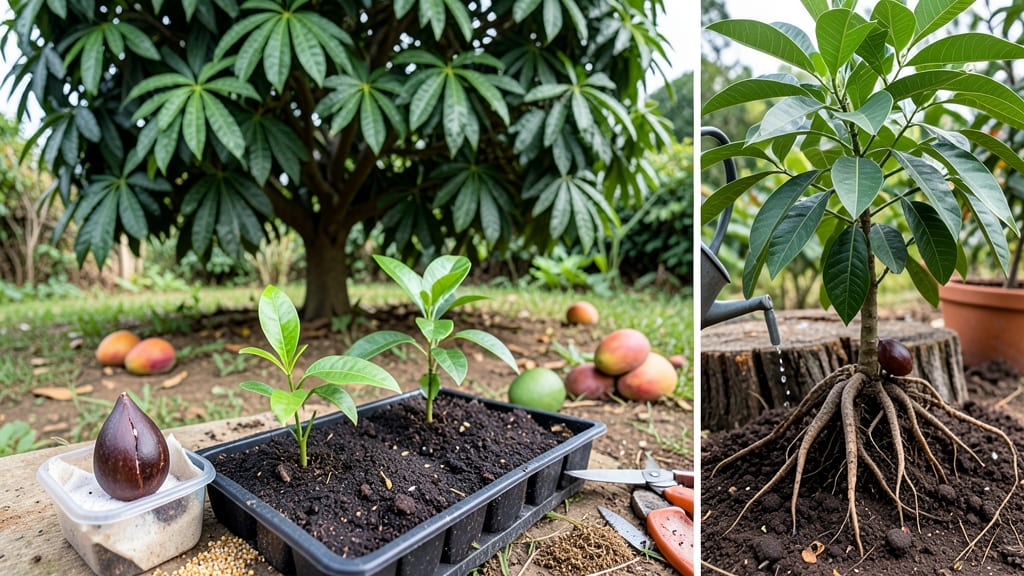
Growing a mango tree from seed to fruit is one of those rare gardening adventures where patience pays off in the most delicious way. 🌱 The first step—germinating that seed—feels like waiting for a slow-burning story to unfold, but I’ve found that with the right conditions, those first green shoots appear in just 2-3 weeks.
The real magic happens when you see the tiny leaves unfurl, knowing you’re nurturing a tree that could one day produce fruit sweeter than anything you’ve ever tasted.
The journey from seedling to fruiting tree takes 3-10 years, but the milestones make it worth it. You’ll start with a delicate sprout, then watch it grow into a sturdy sapling with broad, glossy leaves—each phase teaching you more about tropical plant care.
The key is mimicking its natural habitat: warmth, humidity, and bright, indirect light are non-negotiable, and I’ll show you exactly how to give it what it needs without overcomplicating things.
By year three, you might see your first flowers, though fruiting could take longer. That’s where the real test of patience comes in, but trust me—when that first mango ripens on your tree, the wait feels like nothing.
The fruit won’t be as perfect as store-bought varieties (seed-grown mangoes are often smaller and less predictable), but the satisfaction of growing it yourself is unmatched.
This guide covers every step, from seed germination to fruit care, plus troubleshooting tips for common hiccups like yellowing leaves or slow growth. Whether you’re in a warm climate or a cooler zone with a greenhouse, we’ll adapt the process to work for you. Let’s get those seeds sprouting!
📚 In This Guide
- What you need
- Instructions
- Tips and common mistakes
- Wrapping up and next steps
What you need
- ● Mango seed: 1 fresh, firm seed (from a ripe, organic mango—avoid hybrid varieties like Keitt or Tommy Atkins for best results).
- ● Potting soil: 1 bag (5-10 lbs) of well-draining, sterilized potting mix (look for labels like "cactus/succulent mix" or "seed-starting blend").
- ● Small pots: 2-3 (4-6 inch diameter) with drainage holes (plastic or biodegradable peat pots work great).
- ● Spray bottle: 1 (8-16 oz) with a fine mist nozzle for gentle watering.
- ● Plastic wrap or humidity dome: 1 (to create a mini greenhouse effect).
- ● Grow lights or sunny windowsill: Access to bright, indirect light (6+ hours/day) or a LED grow light for seedlings.
- ● Fertilizer: 1 bottle of balanced liquid fertilizer (5-5-5 or 10-10-10 NPK ratio) or compost tea (diluted).
- ● Pruning shears: 1 pair (sterilized with rubbing alcohol).
- ● Trowel or small shovel: 1 (for transplanting).
- ○ Rooting hormone: 1 small tube (speeds up germination—optional but highly recommended for tricky seeds).
- ● Soil moisture meter: 1 (to monitor hydration without overwatering).
- ● Support stake: 1 (for young trees to prevent toppling as they grow).
- ● Mulch: Straw or wood chips (to retain moisture in the soil).
- ● Garden gloves: 1 pair (to protect hands from soil and sap).
Step-by-step instructions for growing a mango tree from seed to fruit
Here's how I turn a single mango seed into a thriving tree that bears fruit in just three years.
🌱 Step 1: Extract and Prepare the Seed
Start with a fresh, ripe mango—never store-bought ones treated to prevent sprouting. Cut the fruit open and remove the large, flat seed still attached to the pit. Rinse it thoroughly to remove any fruit residue, then let it dry completely for 24 hours at room temperature. This prevents mold from forming during germination.
The key here is patience. Don't rush the drying process—wait until the seed feels completely light and dry to the touch. Place it in a small paper bag or envelope with the pointed end facing down. Store it in a warm, dark place like a pantry for 2-4 weeks. You'll know it's ready when you hear a faint crackling sound—this means the seed has started to sprout internally.
🌱 Step 2: Germinate the Seed in Water
Fill a clear glass or jar with room-temperature water—just enough to cover the seed by 1 inch. Place the seed in the water with the pointed end down. Change the water every 2-3 days to keep it fresh and prevent bacterial growth. Within 1-3 weeks, you'll see a small white root emerge from the bottom.
Here's where it gets exciting—once the root reaches about 1 inch long, a sprout will push through the top. This can take another 1-2 weeks. Keep the water level consistent; too much or too little will stunt growth. A good rule of thumb is to maintain the waterline just above the seed's widest point.
☀️ Step 3: Transplant to Soil and Provide Warmth
Once the sprout reaches 2-3 inches tall, it's time to plant. Use a small pot with drainage holes and fill it with a mix of 50% potting soil and 50% perlite—this ensures excellent drainage while retaining moisture. Dig a hole just deep enough to bury the seed about ½ inch below the soil surface, leaving the sprout above ground.
Place the pot in a warm spot with bright, indirect light—think of a south-facing window with sheer curtains. Mango seedlings thrive in temperatures between 70-85°F. If your home runs cooler, consider using a seedling heat mat to maintain consistent warmth. Water gently but thoroughly, allowing excess water to drain away completely.
🌿 Step 4: Care for the Seedling Through Its First Year
As the seedling grows, gradually introduce it to more direct sunlight over 2-3 weeks. You'll notice the leaves turning darker green and the stem thickening—this is a sign it's adapting well. By the end of its first year, your mango seedling should be about 1-2 feet tall with several sets of true leaves.
During this phase, water when the top 1-2 inches of soil feel dry. Overwatering is the biggest mistake here—it causes root rot, which is nearly impossible to recover from. Fertilize lightly every 4-6 weeks with a balanced, water-soluble fertilizer diluted to half strength. This encourages steady, healthy growth without overwhelming the young plant.
🪴 Step 5: Transition to a Larger Pot and Outdoor Conditions
When your seedling reaches 2-3 feet tall, it's ready for a larger pot—at least 10 inches in diameter. Use the same soil mix and transplant carefully, ensuring the root ball stays intact. Choose a spot with full sun exposure (at least 6-8 hours daily) and protect it from strong winds, which can damage the delicate leaves.
If you live in a cooler climate, wait until the last frost has passed and nighttime temperatures stay above 55°F before moving it outdoors permanently. Harden off the plant by placing it outside for 1-2 hours daily over 10 days, gradually increasing its time outdoors. Watch for signs of stress like yellowing leaves—this means it needs more time to acclimate.
Tips & tricks for growing a mango tree from seed
Here's what I've learned after watching dozens of seeds fail—and dozens more thrive. These small details make all the difference between a thriving tropical tree and a sad, wilted disappointment.
Seed Selection Matters: Not all mango seeds germinate equally. Choose seeds from ripe, organic mangoes—avoid grocery store varieties treated to prevent sprouting. The seed should feel heavy and solid when you hold it; lighter seeds often indicate poor viability. I've found that seeds from heirloom varieties like 'Haden' or 'Kent' germinate more reliably than store-bought hybrids.
Germination Environment: The 2-4 weeks in warm, dark conditions is non-negotiable. I've ruined multiple seeds by checking too soon—resist the urge! Place your seed near a warm spot like the top of your fridge or near a heating vent (but not in direct heat). A seedling heat mat set to 75-80°F works wonders if your home runs cool. The key is consistency—fluctuating temperatures can shock the seed and prevent germination.
Water Level Precision: Maintaining that 1-inch water level is trickier than it sounds. Use a clear container so you can see the waterline clearly. I've seen roots drown when water levels rise too high, or stunt when they dry out. Change the water every 2-3 days religiously—this prevents bacterial growth that can rot your precious seed before it even sprouts. A spray bottle helps rinse the seed gently between water changes.
Transplanting Timing: Wait until your sprout reaches 2-3 inches before transplanting—this gives it enough energy to establish roots in soil. I've made the mistake of moving seedlings too soon, which causes shock and stunted growth. When you do transplant, use the 50% potting soil/50% perlite mix exactly as directed. The perlite prevents compaction while the potting soil provides nutrients. Bury the seed only ½ inch deep—any deeper can suffocate the emerging sprout.
Pro Tips for Mango Tree From Seed To Fruit
- Here's what I've learned after watching dozens of seeds fail—and dozens more thrive. These small details make all the...
- Seed Selection Matters: Not all mango seeds germinate equally. Choose seeds from ripe, organic mangoes—avoid grocery ...
- Germination Environment: The 2-4 weeks in warm, dark conditions is non-negotiable. I've ruined multiple seeds by chec...
Frequently asked questions
Got questions about growing a mango tree from seed? You’re not alone! Here are some of the most common queries—and their straightforward answers—to help you navigate your tropical journey with confidence.
How long does it take for a mango seed to sprout?
A mango seed typically sprouts within 2–4 weeks after planting, depending on warmth and moisture. Keep the soil consistently damp (not soggy) and place it in a warm spot (70–85°F). Patience is key—some seeds take up to 6 weeks! If nothing happens after a month, try gently checking for rot or replanting.
Can I grow a mango tree indoors?
Yes, but with limitations! Mango trees thrive outdoors in tropical climates, but you can start them indoors in pots (6+ inches wide) near a sunny window. Use well-draining soil and supplement with grow lights if natural light is weak. Once sprouted, move it outdoors gradually when temperatures stay above 50°F. Pro tip: Expect slower growth and smaller fruit indoors.
Will a mango tree grown from seed produce fruit?
Most likely, but not guaranteed! Seed-grown trees are not true to the parent variety—fruit may differ in taste, size, or quality. For reliable results, graft a known cultivar onto your seedling later. Even so, it can take 3–5 years (or longer) for a seedling to bear fruit. Patience and proper care are everything!
What’s the best climate for growing a mango tree?
Mango trees love heat and humidity—ideal conditions are warm winters (above 40°F) and hot summers (80–100°F). They thrive in USDA zones 10–11 but can survive in cooler zones (9–10) with protection. If you’re in a colder area, grow it in a container and bring it indoors during frost. Pro tip: Mimic tropical conditions with regular watering and mulch to retain moisture.
Why is my mango seedling wilting or turning yellow?
Wilting or yellowing often signals overwatering, underwatering, or pests. Check the soil—it should be moist but not waterlogged. Yellow leaves may also indicate nutrient deficiency (try a balanced fertilizer). Inspect for pests like aphids or spider mites; treat with neem oil if needed. Quick fix: Adjust watering and ensure pots have drainage holes!
Still stumped? Drop your question in the comments—we’re happy to help you troubleshoot your mango-growing adventure!
Wrapping up and next steps
Growing a mango tree from seed to fruit is a rewarding journey that blends patience, care, and a touch of tropical magic! 🌱 With the right steps—from selecting the perfect seed to nurturing your sapling and protecting it from pests—you’ll soon enjoy the sweet taste of success.
Remember, consistency is key, and even small efforts add up over time.
Now that you’re armed with knowledge, why not take the next step? Plant your seed today and watch your green thumb grow! Share your progress with fellow gardeners or experiment with different mango varieties. The tropics are waiting—your harvest is just three years away. 🌴🍈