
Lawn
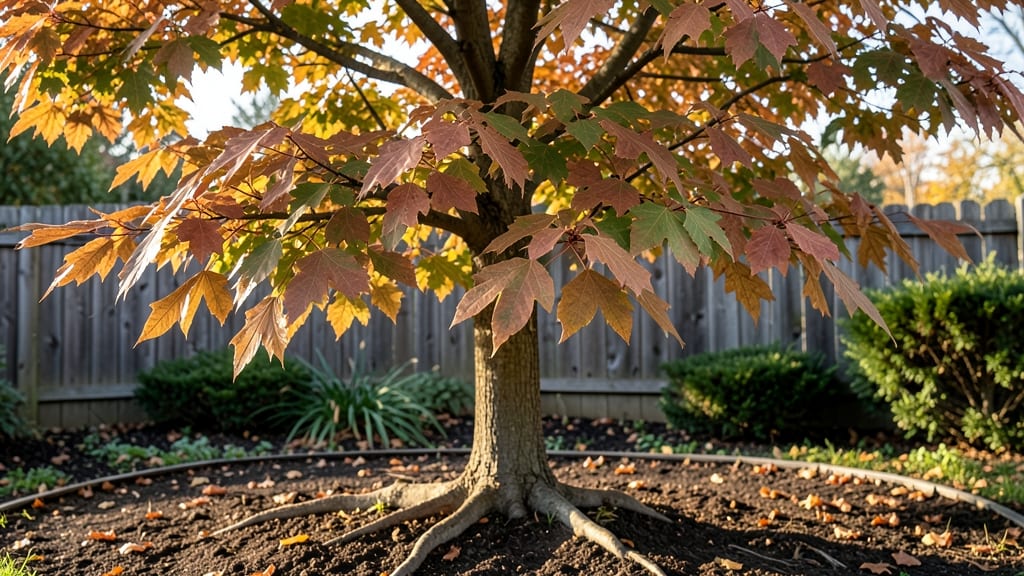
The identification of maple tree seed pods starts with spotting those tiny teardrops with wings—those delicate samaras fluttering to the ground every spring. 🌿 I used to mistake them for helicopter toys until I learned their secrets: the double-winged shape, the way they spin as they fall, and how their size varies by species.
Sugar maples produce the classic 1-inch samaras, while silver maples have longer, narrower wings that spread wider. The key to spotting them is timing: they appear in late spring to early summer, just as leaves unfurl. Look for clusters of these papery pods hanging from branches before they detach.
Their light brown color and papery texture set them apart from heavier acorns or seed pods with tougher shells. Once you recognize them, you’ll notice how they attract birds and squirrels while also offering a free way to propagate new maple trees.
Just plant a few in moist soil, and you’ll have seedlings within weeks—nature’s way of spreading these iconic trees. This skill comes in handy when cleaning up yard debris or planning for future shade trees. Keep an eye out for these winged wonders next spring!
Nature’s Whims Behind Seed Pods
Maple trees produce those iconic teardrop-shaped seed pods—called samaras—as part of a clever survival strategy. But why do they form, and what triggers their development?
The answer lies in a mix of biology, environmental cues, and the tree’s reproductive goals. Let’s break down the key reasons behind these tiny, winged wonders.
Seed pods don’t appear out of nowhere—they’re the result of a hormonal cascade triggered by the tree’s flowering phase. Here’s how it works:
- Pollination Success: Maple trees (like acer saccharum or acer rubrum) rely on wind or insects to transfer pollen from male flowers to female flowers. Once fertilization occurs, the ovary begins transforming into a samara.
- Auxin & Gibberellins: These plant hormones regulate cell division and elongation in the developing seed pod. Auxin (a growth hormone) ensures the pod’s wings form properly, while gibberellins promote rapid expansion.
- Environmental Triggers: Warm spring temperatures (50–70°F) and adequate moisture signal the tree to shift from flowering to fruit development. Without these, pods may fail to form or abort early.
Pro Tip: 🌡️ If you notice fewer pods than expected, check for late frost or drought stress—both can disrupt hormonal balance.
Maple seed pods aren’t just decorative—they’re engineered for dispersal. Their teardrop shape and paper-thin wings are a direct response to evolutionary pressure:
- Aerodynamic Efficiency: The samara’s asymmetrical wing creates lift as it spins downward, mimicking a helicopter’s rotor. This design maximizes distance from the parent tree, reducing competition for sunlight and nutrients.
- Resource Allocation: Producing lightweight pods conserves energy. Heavy seeds would limit dispersal range, but samaras balance weight and flight stability.
- Seasonal Timing: Pods mature in late spring to early summer when wind patterns are ideal for spreading seeds across forests or urban areas.
Fun Fact: 🌳 Some samaras can travel up to 1,000 feet from their source—thanks to their perfect aerodynamic twist!
Not all samaras look the same—and that’s often a red flag. Environmental stressors or pathogens can warp their development:
| Cause | Effect on Seed Pods | What to Watch For |
|---|---|---|
| Drought Stress | Smaller, underdeveloped pods | Wilting leaves, premature pod drop |
| Fungal Infections (e.g., Anthracnose) | Blackened or deformed wings | Dark spots on leaves/pods, early defoliation |
| Pest Damage (e.g., Maple Seed Midge) | Hollow or chewed pods | Visible larvae in seed clusters |
| Nutrient Deficiency (e.g., Low Magnesium) | Yellowing wings, stunted growth | Interveinal chlorosis in leaves |
Action Step: 🔍 If pods look abnormal, inspect the tree for pests or soil issues. A balanced fertilizer or fungicide treatment may help restore healthy growth.
Maple species adapt their seed pods to local conditions. For example:
- Northern Climates (e.g., Sugar Maple): Thicker wings to withstand stronger winds and shorter growing seasons.
- Southern Climates (e.g., Red Maple): Larger pods that mature earlier to avoid summer droughts.
- Urban Trees: Smaller pods may evolve in compacted soil with limited nutrients.
Key Takeaway: 🗺️ Where you live directly influences pod size, shape, and timing—so don’t assume all maple pods look identical!
Quick Fixes for Maple Seed Pod Woes
Got tangled in a whirlwind of maple samaras (those iconic winged seed pods)? Whether you’re dealing with messy cleanup, invasive growth, or just curious about what to do with them, here’s your step-by-step guide to tackling the problem—plus tips to keep your yard (and sanity) intact.
Cause: Falling samaras create clutter, block gutters, or even attract pests. Fix:
- 🧹 Sweep or Rake Regularly – Grab a leaf blower or rake to clear pods before they accumulate. Focus on driveways, sidewalks, and under trees.
- 🗑️ Bag and Dispose – Use heavy-duty trash bags to corral pods for easy disposal. Check local rules—some areas compost leaves, but maple seeds may need landfill disposal.
- 🚿 Gutter Guardians – Install gutter guards to prevent pods from clogging drainage systems. A fine mesh screen works wonders.
💡 Pro Tip: Time your cleanup! Maple trees drop seeds in late summer/fall—stay ahead by raking weekly during peak season.
Cause: Fallen samaras sprout into saplings, creating a "maple forest" in your lawn. Fix:
- 🌱 Hand-Pull Young Sprouts – Snatch them early! Use gloves to avoid sap irritation (maple sap can stain skin).
- 🔥 Mulch or Smother – Lay down cardboard or thick mulch over areas where pods land to block sunlight and prevent germination.
- 🪓 Trim Tree Branches – If pods are a recurring nightmare, prune lower branches to reduce seed drop (hire a pro for safety).
✨ Prevention Hack: Plant ground covers like clover or moss under maple trees—they outcompete weeds and saplings naturally.
Cause: Damp samaras attract fungi, insects, or even rodents. Fix:
- 🍄 Fungal Foes? – Remove wet pods promptly to deter mold. Sprinkle wood ash or copper fungicide if mold appears.
- 🐜 Bug Buffet? – Seal trash cans and store firewood away from pod piles to avoid attracting beetles or ants.
- 🐭 Rodent Risks? – Keep grass short and clear debris; rodents nest in dense leaf litter. Use humane traps if needed.
🎯 Long-Term Tip: Plant native grasses or perennials under your maple—they’ll crowd out pests and reduce hiding spots for critters.
🔥 Bonus: Love maple trees but hate the mess? Try a low-maintenance solution: Plant them in a contained area (like a large pot or raised bed) if space is tight. Just be ready for the samara show!
Need more targeted help? Check your maple tree’s species—some (like silver maples) produce more pods than others, so adjust your strategy accordingly!
Frequently asked questions
How can I tell if a seed pod is from a maple tree?
Look for the classic double-winged shape that spins like a helicopter as it falls. Maple seed pods (samaras) are teardrop-shaped with two thin, papery wings. They’re light brown and about 1-2 inches long, unlike heavier acorns or single-winged pods from other trees.
Why do some maple seed pods look different?
Different maple species produce unique samaras. Sugar maples have shorter, stouter wings, while silver maples feature longer, narrower wings that spread wider. Climate also affects size—northern trees often develop thicker wings to handle stronger winds.
When is the best time to collect maple seed pods?
Collect them in late spring to early summer when they’re fully formed but haven’t yet fallen. Look for clusters still attached to branches. Avoid collecting after rain—they’ll be too damp and may rot quickly.
Can I use maple seed pods to grow new trees?
Yes! Plant them in moist, well-draining soil with the wing facing down. Keep the soil consistently damp until germination (usually 2-4 weeks). For best results, plant multiple pods—some may not sprout, but you’ll likely get at least one healthy seedling.
What should I do if my yard is covered in maple seed pods?
Rake them up regularly during peak drop season (fall). For stubborn patches, smother the area with mulch or use a leaf blower. If pods are clogging gutters, install fine mesh guards. Pruning lower branches can also reduce future seed production.