
Lawn
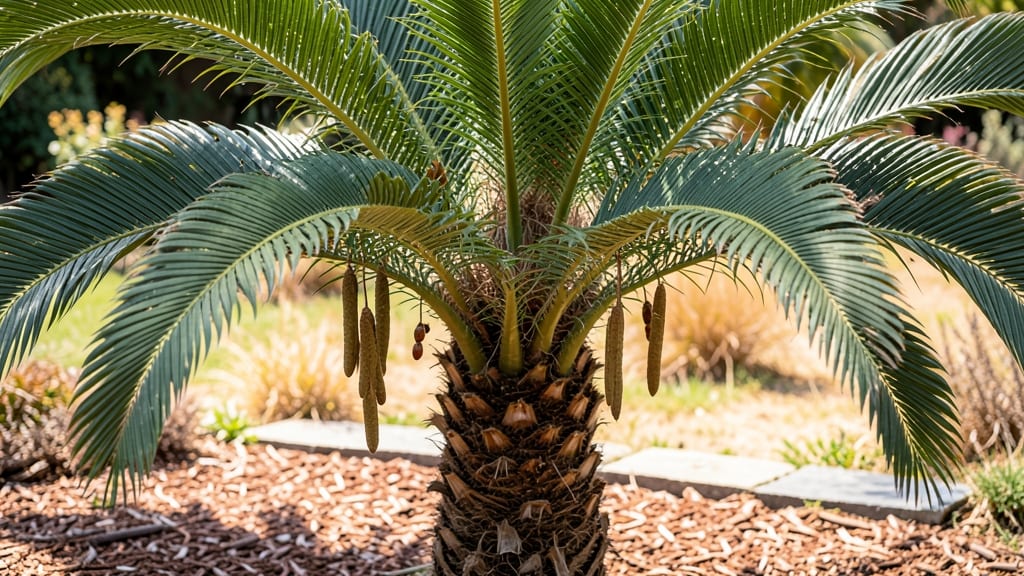
The identification of palm tree seed pods you found might hold the key to growing your own tropical tree. 🌴 The first step is telling coconut husks from date palm clusters—because getting this wrong means wasted time or even toxic mistakes.
I’ve spent years sorting through beach finds and nursery scraps, and the differences start with just a few details: pod shape, fiber texture, and whether it splits open naturally.
Coconut pods are round, fiber-covered, and weigh 3-5 pounds when fresh, while date palm seeds look like woody, elongated clusters with papery skins. Press gently—coconuts have a hard shell inside, while most palm seeds reveal soft, papery layers.
A quick internet search with "palm seed [your location]" often reveals local species, but don’t trust photos alone: size and color vary wildly even within the same genus.
Once you’ve narrowed it down, germination becomes easier. Coconuts need warm water and patience (up to 6 months to sprout), while date palm seeds often germinate faster if soaked overnight. The real payoff?
Watching a tiny shoot break through—proof you’ve cracked the code on a piece of nature’s puzzle. Just remember: some palm seeds are toxic if ingested, so keep them away from pets and kids.
For tricky cases, local botanical gardens or university extension offices often have experts who’ve seen it all. Bring a photo, describe the texture, and ask about your climate—because not every palm thrives where you live.
This is where the real detective work begins, and every find teaches you something new about the plants around you.
📚 In This Guide
- What you need
- Instructions
- Tips and common mistakes
- Wrapping up and next steps
What you need
- ● Fresh or dried palm seed pods – Collect from local palm trees (ensure they’re legal to harvest in your area!). Aim for at least 3-5 pods for accurate identification.
- ● Magnifying glass (10x magnification) – For examining fine details like fiber texture, pod shape, and seed patterns.
- ● Ruler or measuring tape – To record pod length, width, and thickness (in inches or centimeters).
- ● Notebook & pencil – For jotting down observations (shape, color, scent, and any unique markings).
- ● Camera or smartphone – Capture close-ups of pods from multiple angles (natural light works best!).
- ● Field guide or identification app – Use apps like iNaturalist or PictureThis for real-time comparisons.
- ○ Plastic gloves (optional but recommended) – Some pods may have sharp edges or irritating fibers.
- ● Seed germination kit – If you plan to test viability, include a clear plastic bag, moist paper towels, and a warm, sunny windowsill.
- ● Pruning shears – For safely cutting pods from trees without damaging the plant.
- ● Drying rack or paper towels – To air-dry pods if they’re too moist for handling.
- ● Local palm tree database – Check resources like USDA Plants or Florida Native Plant Society for regional species.
How to identify palm tree seed pods and their germination potential
Skip the guesswork—here's how to spot palm seed pods and tell which ones will sprout.
🌿 Step 1: Examine the Pod's Shape and Size
Start by holding the pod in your hand—palm seed pods vary dramatically by species. Coconuts are the most recognizable with their thick, fibrous husks and single large seed inside. Queen palm pods (Syagrus romanzoffiana) are round, about 3-4 inches in diameter, with a hard shell and a single seed that rattles when shaken.
Other pods like palmetto (Sabal species) are elongated ovals, 4-6 inches long, with a tough, fibrous exterior. If the pod feels light and hollow when tapped, it's likely dried out and won't germinate. Look for a firm, slightly heavy pod—this indicates freshness and higher germination potential.
🌱 Step 2: Check for Freshness and Moisture Signs
Fresh palm seed pods often have a slightly damp interior when cracked open. If the pod feels dry and brittle, it's past its prime. Coconuts should have a white, gel-like interior when cut open—this is a good sign. Queen palm pods should have a moist, fibrous center that doesn't crumble at the touch.
Smell the pod—fresh pods have a mild, slightly sweet scent. A musty or sour odor means it's decomposing. If the pod has cracks or holes, it may have been attacked by pests or dried out unevenly. These signs don't automatically disqualify it, but they reduce your chances of successful germination.
☀️ Step 3: Identify the Seed Inside
Once you've confirmed the pod is fresh, carefully crack it open to inspect the seed. Coconuts have a single, large seed with a hard shell and a white, fibrous interior. Queen palm seeds are smaller, about 1-2 inches long, with a smooth, brown exterior and a single large embryo inside.
Look for a plump, firm seed with no visible mold or soft spots. If the seed feels lightweight or hollow when tapped, it won't germinate. A healthy seed will have a slight give when pressed gently—this indicates moisture and viability. If the seed is shriveled or cracked, it's likely dead.
💧 Step 4: Test for Germination Potential
Fill a bowl with warm water and place the seed inside. If it sinks to the bottom, it's likely viable. If it floats, it's probably dried out or hollow. Let the seed soak for 24-48 hours—this mimics natural rainfall and helps soften the seed coat for germination.
After soaking, gently press the seed between your fingers. It should feel firm but slightly yielding. If it crumbles or feels mushy, it's rotted. A healthy seed will have a smooth, intact surface with no signs of damage. This test gives you the best indication of whether the seed will sprout.
⏰ Step 5: Compare to Known Species Traits
Cross-reference your findings with a palm tree identification guide. Note the pod's size, shape, and seed characteristics. Coconuts are easy to spot, but other palms like palmetto or sago palm have distinct traits. Palmetto pods are elongated and fibrous, while sago palm pods are round and have a hard, woody shell.
If you're unsure, take a photo and compare it to online resources or consult a local nursery. Accurate identification ensures you know the seed's care requirements, including light, temperature, and moisture needs. This step is crucial for successful germination and long-term growth.
Tips & tricks for perfect palm tree seed pod identification
Here's what nobody tells you about spotting the best palm seed pods for growing.
Weight Test: In Step 1, when examining the pod's shape and size, the weight test is your secret weapon. A healthy Queen palm pod should feel noticeably heavier than its size suggests—almost like holding a small cannonball. I learned this the hard way after trying to germinate a pod that felt light and hollow. If it rattles when shaken, it's likely dried out. For palmetto pods, the weight should feel consistent along the entire length, not just at the ends.
Visual Cues for Freshness: The color of the pod's exterior can be misleading, so focus on the interior. In Step 2, when checking freshness, look for a moist, slightly sticky interior in Queen palm pods. Coconuts should have that familiar white, gel-like endosperm—if it's brown or crumbly, it's past its prime. A quick trick: rub your thumb along the pod's exterior. Fresh pods will have a slightly rough texture, while dried ones feel smooth and papery.
Seed Inspection Tricks: During Step 3, when identifying the seed inside, use your fingernail to gently scrape the seed's surface. A healthy seed will have a smooth, slightly waxy coating that resists scratching. If you see dark spots or a fuzzy texture, that's mold—toss it. For Queen palm seeds, the embryo should be clearly visible through the shell when held up to light. If it's cloudy or indistinct, germination chances drop significantly.
Soaking Strategy: The 24-48 hour soak in Step 4 is non-negotiable, but here's the pro move: use filtered water at room temperature (around 70°F). I've seen people use tap water with chlorine, which can inhibit germination. After soaking, pat the seed dry with a paper towel before pressing—this gives you a more accurate feel for its condition. If the seed sinks but feels spongy when pressed, it's still viable but needs more time to firm up.
Pro Tips for Identification Palm Tree Seed Pods
- Here's what nobody tells you about spotting the best palm seed pods for growing.
- Weight Test: In Step 1, when examining the pod's shape and size, the weight test is your secret weapon.
- Visual Cues for Freshness: The color of the pod's exterior can be misleading, so focus on the interior.
Frequently asked questions
Got questions about identifying palm tree seed pods? You’re not alone—these tropical treasures can be tricky to spot and even trickier to grow! Here’s a quick rundown of the most common curiosities, from curious gardeners and DIY plant parents alike.
How do I tell the difference between a palm seed pod and a regular nut or fruit?
Palm seed pods are often heavy for their size, with a fibrous or woody exterior (think coconut husk or a dried husk-like casing). Unlike smooth nuts (like walnuts) or fleshy fruits (like mangoes), palm pods usually have a hard inner shell enclosing the seed. Look for triangular or elongated shapes—classic palm traits!
When is the best time to harvest palm tree seed pods?
Timing is everything! Harvest pods when they’re fully brown and dry but not moldy—usually late fall to winter in tropical climates. Avoid green pods (they’re not ripe) and avoid overripe ones (they’ll rot). Pro tip: Tap the pod—if it sounds hollow, it’s ready!
Can I identify a palm tree species just by looking at its seed pod?
Yes, but it takes practice! For example, coconut pods are round and fibrous, while date palm pods are long and spiky. Use a field guide or app (like iNaturalist) to compare shapes, sizes, and textures. Warning: Some pods look alike—cross-reference with leaf shapes or tree height for accuracy!
What’s the easiest palm seed pod to germinate at home?
If you’re a beginner, start with coconuts (they’re hardy and widely available) or date palm seeds (fast-growing). Soak the pod in water for 24–48 hours, then plant it half-buried in moist soil. Keep it warm (70–85°F) and patient—germination can take weeks to months!
Why won’t my palm seed pod sprout? Troubleshooting tips!
Common culprits: old seeds (test viability by scratching the shell—if it’s hard and dry, it’s likely dead), wrong soil (use well-draining mix), or cold temps (palms hate frost!). Try stratification (mimicking winter) for tropical seeds or check for pests/fungus (like black mold). Need more help? Snap a photo and ask a local nursery!
Wrapping up and next steps
Identifying palm tree seed pods doesn’t have to be a guessing game—now you’ve got the keys to unlock their secrets! 🌿 From analyzing shape and texture to understanding germination clues, you’re ready to spot the differences like a pro.
Whether you’re a gardener, nature lover, or curious learner, this knowledge opens doors to nurturing new life or simply admiring the wonders of tropical flora.
Ready to take the next step? Grab a notebook, head outdoors, and start collecting samples—or dive deeper into propagation techniques to grow your own palm tree from scratch. Happy exploring! 🌱